
By Ethan Brooks
Website: mycuddlypets.com
Finding something unusual in your dog’s stool or noticing changes in their appetite can make any dog owner concerned about intestinal worms. These parasites are relatively common in dogs, and some infections can affect digestion, nutrient absorption, growth, and overall health.
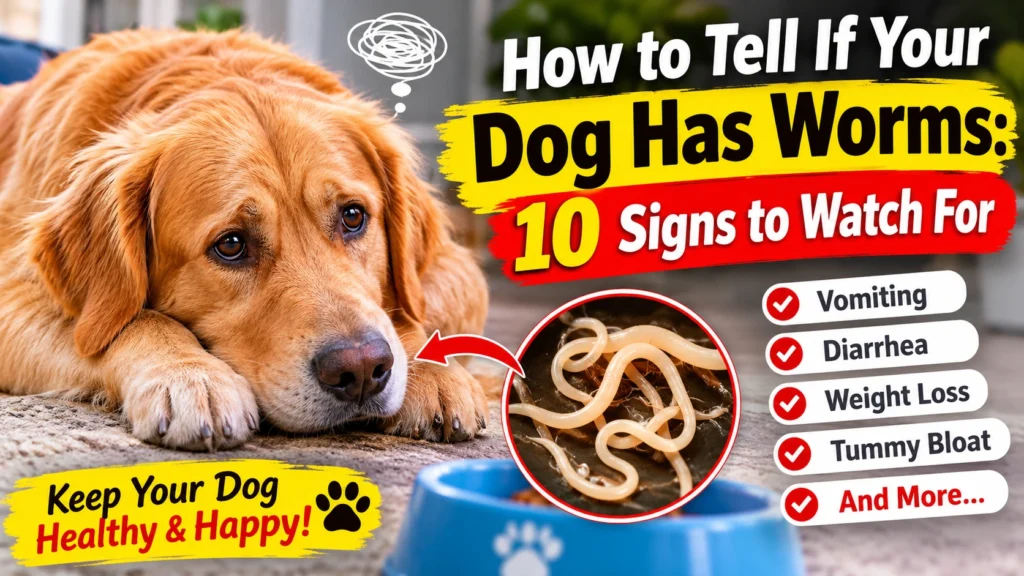
But how can you tell if your dog has worms? Sometimes, you may notice visible worms or small segments in their poop. Other times, the only clues may be diarrhea, vomiting, weight loss, a swollen belly, or changes in appetite. Some infected dogs show no obvious symptoms at all.
As I explain in this guide, recognizing possible warning signs is helpful, but symptoms alone cannot confirm a worm infection. Different parasites produce different effects, and some digestive problems have nothing to do with worms. Veterinary testing is the most reliable way to investigate a suspected infection and determine the appropriate treatment.
How to Tell If Your Dog Has Worms

One of the first things to check is your dog’s overall condition, including their stool, appetite, energy level, body weight, and behavior.
Possible signs of intestinal worms include:
- Visible worms or small worm segments in stool.
- Diarrhea or recurring loose stools.
- Vomiting, sometimes containing visible worms.
- Unexplained weight loss.
- A swollen or pot-bellied appearance, particularly in puppies.
- Increased or decreased appetite.
- Scooting or licking around the rear end.
- A dull coat or poor body condition.
- Weakness or reduced energy.
- Blood in the stool in some infections.
These signs can raise suspicion, but none proves that a dog has worms. Similar symptoms can occur with food intolerance, dietary changes, bacterial infections, other parasites, and digestive diseases.
If your dog has several symptoms, recurring digestive problems, or unexplained weight changes, arrange a veterinary examination rather than trying to identify the problem at home.
Common Signs of Intestinal Worms in Dogs
Different intestinal parasites affect dogs in different ways. The severity of symptoms may depend on the parasite species, the number of parasites, the dog’s age, and their general health.
Digestive Problems
Diarrhea, vomiting, and changes in stool consistency are possible signs of intestinal parasite infections. Some dogs experience occasional digestive upset, while others develop persistent or more severe symptoms.
Hookworms and whipworms can damage or irritate the intestinal lining. Heavy infections may contribute to blood loss, anemia, or bloody diarrhea. Roundworms can interfere with normal digestion and may cause vomiting or diarrhea, especially in puppies.
However, diarrhea by itself does not mean your dog has worms. Dietary changes, infections, stress, and other medical conditions can also cause digestive symptoms.
Appetite and Weight Changes
Some dogs with intestinal parasites lose weight even when they continue eating normally. Others may experience changes in appetite or fail to grow as expected.
Weight loss can occur when parasites interfere with nutrient absorption or when an infection affects the digestive system. A puppy with a significant worm burden may have poor growth and a visibly rounded abdomen.
Unexplained weight loss deserves veterinary attention, especially when it happens alongside diarrhea, vomiting, or reduced energy.
Visible Worms and Scooting
Seeing worm-like material in your dog’s stool is one of the more noticeable clues. Tapeworm segments may resemble small grains of white rice around the anus, in fresh stool, or on bedding.
Some dogs also scoot their bottoms across the floor or lick the area around their anus. Tapeworm segments can cause irritation, but scooting may also be associated with anal gland problems, skin irritation, or other conditions.
Take a photograph of anything unusual and show it to your veterinarian. If possible, collect a fresh stool sample as well.
Symptom Comparison Table
| Possible sign | What it may suggest | What owners should do |
|---|---|---|
| Rice-like segments | Possible tapeworm segments | Contact a veterinarian and document their appearance. |
| Diarrhea | Possible intestinal irritation or infection | Arrange an examination if persistent or concerning. |
| Swollen belly | Possible roundworm burden, particularly in puppies | Have the dog examined. |
| Weight loss | Possible parasite infection or another health problem | Arrange veterinary assessment. |
| Pale gums | Possible anemia or blood loss | Seek prompt veterinary attention. |
| Scooting | Possible tapeworm-related irritation or anal gland problems | Ask your veterinarian to investigate. |
What Worms May Look Like in Dog Stool
Dog owners sometimes notice unusual objects in their dog’s poop and immediately assume they are worms. However, mucus, undigested food, plant material, and other debris can also look unusual.
Some parasites or their segments are visible, but many worm eggs and larvae are too small to see without a microscope.
Roundworms
Adult roundworms may look like long, pale, spaghetti-like worms. They can occasionally appear in a dog’s stool or vomit. Their eggs are microscopic, so owners cannot reliably identify a roundworm infection by inspecting poop alone.
Tapeworm Segments
Tapeworm segments are among the most recognizable visible signs. Fresh segments can look like small, flat, white moving pieces, while dried segments may resemble yellowish or white grains of rice.
They may appear on the surface of stool, around the anus, or on a dog’s bedding.
Hookworms and Whipworms
Adult hookworms and whipworms are generally not easily recognized in ordinary dog poop. Their eggs are microscopic and usually require laboratory examination.
This is why the absence of visible worms does not rule out an infection. A veterinarian may need to examine a stool sample to detect microscopic parasite eggs or other evidence.
Different Types of Worms in Dogs
Several intestinal worms can affect dogs in the United States. The most familiar groups include roundworms, hookworms, whipworms, and tapeworms.
| Worm type | Possible signs | Important characteristics |
|---|---|---|
| Roundworms | Vomiting, diarrhea, pot belly, poor growth | Adult worms may resemble spaghetti. |
| Hookworms | Anemia, weakness, diarrhea, pale gums | They attach to the intestinal lining and can cause blood loss. |
| Whipworms | Diarrhea, weight loss, possible blood in stool | They live mainly in the large intestine. |
| Tapeworms | Scooting, visible segments, occasional digestive problems | Segments may resemble grains of rice. |
Roundworms
Roundworms are common intestinal parasites, particularly in puppies. Dogs can acquire them through contaminated environments, infected prey, or transmission from their mother before birth or during nursing.
Possible signs include a swollen abdomen, vomiting, diarrhea, poor growth, and weight loss. Some dogs may not show noticeable symptoms.
Hookworms
Hookworms attach to the intestinal wall and feed on blood. A significant infection can lead to anemia, weakness, and dark or bloody stool.
Puppies are especially vulnerable because blood loss can become serious quickly. Pale gums, weakness, or collapse require urgent veterinary attention.
Whipworms
Whipworms live mainly in the large intestine. Infections may cause recurring diarrhea, weight loss, and occasionally fresh blood in the stool.
Some infected dogs have no obvious symptoms, especially when the parasite burden is low.
Tapeworms
Dogs commonly acquire certain tapeworm infections by swallowing infected fleas while grooming. Other tapeworm species may be acquired by eating infected prey animals.
The segments can become visible around the dog’s rear end or in their stool. Effective management involves addressing the parasite and its transmission route, including appropriate flea control when relevant.
For additional veterinary information, see Cornell University’s guide to tapeworms in dogs.
Can Dogs Have Worms Without Showing Signs?
Yes. A dog can have intestinal worms without showing obvious symptoms.
Some infections are mild or occur during an early stage when the dog still appears healthy. Other parasites release microscopic eggs or larvae that cannot be seen in ordinary stool.
A dog may continue eating, playing, and behaving normally despite carrying intestinal parasites.
This is one reason routine veterinary examinations and fecal testing are important. Waiting until a dog looks sick may delay detection, especially when the infection is not producing noticeable symptoms.
Even a healthy-looking dog can benefit from parasite screening based on their age, lifestyle, exposure risks, and veterinary recommendations.
How Veterinarians Confirm Worm Infections
A veterinarian generally uses the dog’s medical history, physical examination, symptoms, and diagnostic tests to investigate a suspected worm infection.
Fecal Examination
A fecal flotation test is commonly used to identify microscopic parasite eggs in stool. The sample is mixed with a special solution that helps certain eggs float so they can be examined under a microscope.
Other methods may include fecal antigen testing, which detects parasite-specific proteins. The veterinarian chooses an appropriate method based on the suspected parasite and the dog’s condition.
Why One Negative Test May Not Be Enough
Some parasites do not release detectable eggs continuously. As a result, a single negative stool examination may not completely rule out infection.
Depending on the symptoms and suspected parasite, the veterinarian may recommend repeat testing or additional diagnostic methods.
Blood Tests and Other Examinations
Blood tests may help investigate anemia or other health changes associated with a severe infection. Additional tests may be necessary if the veterinarian suspects complications or a different condition.
Remember that heartworms are different from intestinal worms. Heartworm infection affects the heart and pulmonary arteries and requires specific testing, commonly including blood tests.
Read the Merck Veterinary Manual’s explanation of parasite testing for more information about veterinary fecal examinations.
What to Do If You Suspect Your Dog Has Worms
If you notice possible signs of worms, avoid guessing which parasite is responsible. A few practical steps can help your veterinarian investigate the problem.
- Observe your dog: Monitor appetite, energy, bowel movements, vomiting, and changes in body weight.
- Check the stool: Look for unusual segments, visible worms, blood, or recurring changes in consistency.
- Take photographs: Photograph unusual material if you can do so safely and hygienically.
- Collect a fresh sample: Ask your veterinary clinic how to collect and store a stool sample for testing.
- Schedule veterinary care: Explain the symptoms, when they started, and any possible exposure to fleas, contaminated soil, or infected animals.
- Follow the treatment plan: Use only medication and follow-up instructions recommended by your veterinarian.
Do not give a dog an over-the-counter dewormer simply because their symptoms resemble a parasite infection. Different worms require different treatments, and the correct approach depends on the dog’s age, weight, health, and parasite type.
Worms in Puppies vs. Adult Dogs
Puppies can be more vulnerable to intestinal worms than healthy adult dogs. Some parasites can pass from a mother to her puppies before birth or through nursing.
Possible signs in puppies include:
- A noticeably rounded or swollen abdomen.
- Slow growth or failure to gain weight appropriately.
- Vomiting or diarrhea.
- Poor coat condition.
- Reduced energy or weakness.
- Pale gums in cases involving significant blood loss.
Heavy infections may cause serious complications in young puppies. Veterinary attention is especially important when a puppy has persistent vomiting, diarrhea, weakness, or poor feeding.
Adult dogs can also develop intestinal worm infections. Their symptoms may be less noticeable, and some infections are discovered during routine fecal screening rather than because the dog appears sick.
Ask your veterinarian about an age-appropriate parasite screening and prevention schedule.
How to Reduce Parasite Exposure
Preventing intestinal worms involves reducing contact with parasite eggs, larvae, infected fleas, and infected prey animals.
Helpful habits include:
- Pick up dog feces promptly from yards and public areas.
- Wash your hands after handling dog waste or cleaning outdoor areas.
- Prevent your dog from eating feces or scavenging dead animals.
- Maintain appropriate flea prevention to reduce flea-associated tapeworm exposure.
- Keep living areas clean and remove contaminated waste.
- Follow a veterinarian-recommended parasite prevention program.
- Schedule routine veterinary examinations and fecal testing.
Good hygiene is important because certain intestinal parasites can also affect people. The CDC’s healthy pet guidance recommends picking up pet feces, disposing of waste properly, and keeping children away from contaminated areas.
When Should You Contact a Veterinarian?
Contact your veterinarian if you see possible worms or segments in your dog’s stool, notice persistent digestive changes, or suspect exposure to intestinal parasites.
Seek prompt veterinary attention for concerning signs such as:
- Persistent or severe vomiting.
- Repeated or bloody diarrhea.
- Black, tarry stool.
- Pale gums.
- Unusual weakness or extreme tiredness.
- Significant or unexplained weight loss.
- A swollen or painful abdomen.
- Poor growth or reduced feeding in puppies.
Collapse, severe weakness, difficulty breathing, or signs of major blood loss warrant emergency veterinary care. Do not wait for a routine appointment if your dog appears seriously unwell.
Although many intestinal worm infections can be treated successfully, complications may become serious when infections are heavy or remain untreated.
Frequently Asked Questions
1. How can I tell if my dog has worms without a vet?
You can look for possible warning signs such as visible worms, rice-like segments, diarrhea, vomiting, weight loss, scooting, or a swollen belly. However, these signs cannot confirm an infection. Veterinary testing is needed for a reliable diagnosis.
2. What do worms look like in dog poop?
Roundworms may resemble long, pale spaghetti-like worms. Tapeworm segments can look like small grains of rice. Hookworm and whipworm eggs are microscopic and generally cannot be identified by simply looking at stool.
3. Can a dog have worms and still act normal?
Yes. Some infected dogs show no obvious symptoms and continue eating, playing, and behaving normally. Routine veterinary screening can help detect infections that are not immediately noticeable.
4. What are the first signs of worms in dogs?
Possible early signs include changes in stool, diarrhea, vomiting, appetite changes, scooting, visible tapeworm segments, and unexplained weight changes. Some dogs have no visible warning signs.
5. Can worms cause diarrhea in dogs?
Yes. Several intestinal parasites can cause diarrhea or intestinal irritation. However, diarrhea also has many non-parasitic causes, so testing may be needed to identify the underlying problem.
6. Why are there white rice-like pieces in my dog’s poop?
White rice-like pieces may be tapeworm segments, especially when they appear near the anus, on bedding, or in fresh stool. Photograph the material and contact your veterinarian for guidance.
7. Can puppies get worms from their mother?
Yes. Certain roundworms can pass to puppies before birth or through nursing. Puppies can also acquire parasites from contaminated environments, making appropriate veterinary screening important.
8. Can humans get worms from dogs?
Some parasites associated with dogs, including certain roundworms and hookworms, can infect people. Good handwashing, prompt feces disposal, and regular veterinary parasite prevention help reduce exposure risks.
9. Can a stool test miss worms?
Yes. Some parasites shed eggs intermittently, and routine fecal testing may not detect every infection. A veterinarian may recommend additional testing or multiple stool samples when suspicion remains high.
10. Should I give my dog a dewormer if I suspect worms?
Do not select or administer a dewormer without appropriate veterinary guidance. Different parasites require different medications, and treatment decisions should account for the dog’s age, health, and suspected infection.
Related Reading
- Explore more dog health and nutrition articles at My Cuddly Pets.
- Dog Dewormers: Types, Uses, and Veterinary Guidance (internal link placeholder; verify the published URL).
- Giardia in Dogs: Symptoms, Testing, and Prevention (internal link placeholder; verify the published URL).
- Heartworm Prevention for Dogs (internal link placeholder; verify the published URL).
Final Takeaway
Knowing how to tell if your dog has worms starts with recognizing possible changes in their stool, appetite, weight, digestion, and behavior. Visible roundworms or rice-like tapeworm segments can provide useful clues, but many intestinal parasites remain invisible to the naked eye.
Some dogs also carry worms without showing obvious symptoms. That is why visual inspection alone is not enough to confirm or rule out an infection.
If you suspect your dog has worms, contact your veterinarian, arrange appropriate fecal testing, and follow a parasite-specific treatment and prevention plan. Paying attention to early warning signs, maintaining good hygiene, and keeping up with routine veterinary care can help protect your dog’s health.