
By Ethan Brooks
Website: mycuddlypets.com
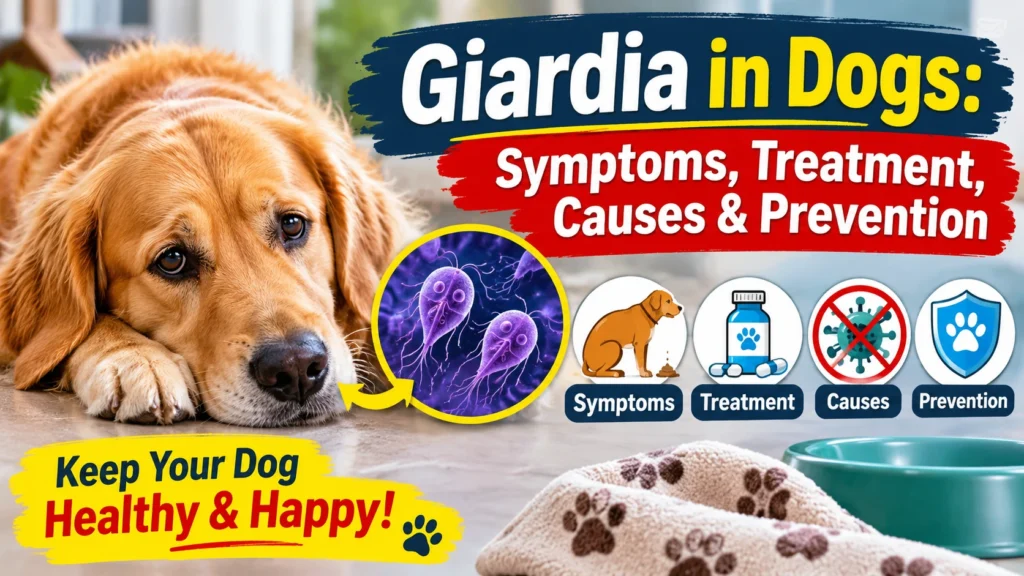
Giardia in dogs is a common intestinal parasite concern that can leave pet owners wondering why their dog has diarrhea, unusual stool, or recurring digestive problems. Some infected dogs show noticeable symptoms, while others carry the parasite without appearing sick.
Giardia can spread through contaminated water, soil, feces, and objects. Because dogs may become exposed again after treatment, understanding how the parasite spreads is just as important as understanding veterinary treatment.
In this guide, I explain what Giardia is, how dogs become infected, which symptoms owners should recognize, how veterinarians diagnose and manage the infection, and what practical steps can help reduce reinfection risks.
Important: Diarrhea and other digestive symptoms do not automatically mean a dog has Giardia. Veterinary testing is necessary to establish the cause and determine appropriate care.
What Is Giardia in Dogs?
Giardia is a microscopic, single-celled intestinal parasite that can infect dogs and several other animal species, including humans. The infection caused by this parasite is called giardiasis.
The organism is commonly referred to as Giardia duodenalis, Giardia intestinalis, or Giardia lamblia. These names are used in scientific and veterinary literature to describe the same broadly recognized Giardia species.
After a dog swallows infectious Giardia cysts, the parasite can develop into an active form called a trophozoite in the small intestine. Trophozoites attach to the intestinal surface and multiply. Some eventually form cysts that pass out of the body in feces.
These cysts are important because they allow Giardia to spread through contaminated environments. Another dog can become infected by swallowing cysts from contaminated water, soil, objects, or fecal material.
Understanding the two stages of Giardia
| Stage | Description | Importance |
|---|---|---|
| Trophozoite | Active form living in the intestinal tract. | Responsible for multiplying inside the host. |
| Cyst | Protected form passed in feces. | Survives in the environment and spreads infection. |
Not every infected dog develops noticeable illness. Some dogs may have normal energy and appetite despite testing positive. Others experience intermittent or persistent digestive problems.
For additional veterinary background, see the Merck Veterinary Manual’s overview of giardiasis in animals.
Common Signs and Symptoms of Giardia
Giardia can affect dogs differently. Some remain asymptomatic, while others develop digestive symptoms that vary in severity and duration.
Common signs associated with giardiasis include:
- Soft or poorly formed stool.
- Intermittent or recurring diarrhea.
- Stool containing mucus.
- Unusually foul-smelling feces.
- Excessive gas or flatulence.
- Reduced appetite in some dogs.
- Vomiting in some cases.
- Weight loss when digestive problems persist.
- Low energy in more seriously affected dogs.
What can Giardia-related stool look like?
Some infected dogs pass pale, soft, poorly formed, or greasy-looking stool. Mucus may also be present. However, stool appearance varies, and these characteristics are not specific to Giardia.
Other conditions, including dietary changes, food intolerance, bacterial infections, and other intestinal parasites, can produce similar digestive signs.
Can dogs have Giardia without diarrhea?
Yes. A dog may carry Giardia without showing obvious digestive symptoms. This is one reason why appearance and behavior alone cannot reliably establish whether an infection is present.
According to the Companion Animal Parasite Council (CAPC), infections can be asymptomatic or associated with acute, intermittent, or chronic digestive signs.
Remember: Persistent diarrhea, weight loss, or recurring digestive problems deserve veterinary attention, even when a dog continues eating and playing normally.
How Do Dogs Get Giardia?
Dogs generally become infected after swallowing Giardia cysts from contaminated materials. This is known as fecal-oral transmission because the parasite spreads from infected feces into another animal’s mouth.
Common exposure sources include:
- Contaminated water: Drinking from ponds, creeks, puddles, or other water sources containing infectious cysts.
- Contaminated soil: Sniffing, digging, or licking soil contaminated with infected feces.
- Infected animal feces: Investigating or accidentally swallowing small amounts of contaminated waste.
- Shared surfaces: Licking contaminated toys, crates, bowls, bedding, or floors.
- Grooming: Licking paws, fur, or the rear end after contact with contaminated material.
Can dogs get Giardia from drinking outside water?
Yes. Untreated outdoor water can contain Giardia cysts if it has been contaminated by infected animal or human feces.
Even water that looks clean may contain microscopic organisms. I recommend providing fresh drinking water and discouraging dogs from drinking from puddles, stagnant water, and potentially contaminated natural sources.
Is Giardia contagious between dogs?
Yes. Giardia can spread between dogs when an uninfected dog swallows cysts shed by an infected animal.
Shared environments can increase exposure risk, particularly in places where several dogs use the same outdoor areas, water sources, toys, or contaminated surfaces.
A dog does not necessarily need direct contact with another infected dog to become exposed. Environmental contamination can be enough.
Can Puppies Get Giardia?
Yes. Puppies can become infected with Giardia, and younger animals are more likely than healthy adult animals to develop noticeable illness.
Puppies may encounter Giardia in breeding facilities, shelters, kennels, shared play areas, contaminated soil, or water sources.
Because puppies are still developing and have smaller fluid reserves, diarrhea deserves particular attention. Persistent loose stool can contribute to dehydration and may affect a young dog’s ability to maintain normal hydration and nutrition.
Watch for these concerning signs:
- Repeated diarrhea or unusually loose stool.
- Reduced interest in food or water.
- Vomiting alongside diarrhea.
- Unusual tiredness or weakness.
- Weight loss or poor growth.
- Dry or sticky gums and other possible signs of dehydration.
Contact a veterinarian promptly if a puppy develops persistent diarrhea or changes in appetite and energy. Young puppies with repeated vomiting, weakness, or suspected dehydration need urgent assessment.
How Veterinarians Diagnose Giardia
Giardia cannot be reliably diagnosed from symptoms, stool color, or smell alone. A veterinarian needs appropriate diagnostic testing to determine whether the parasite is present.
During an examination, the veterinarian may ask about your dog’s symptoms, recent diet changes, water exposure, contact with other animals, travel, and previous parasite treatment.
Common Giardia testing methods
| Test | What it looks for | Purpose |
|---|---|---|
| Fecal flotation | Giardia cysts in stool. | Helps identify intestinal parasite stages. |
| Fecal antigen ELISA | Giardia-specific antigens. | Detects evidence of Giardia in fecal material. |
| Direct fluorescent antibody testing | Fluorescently labeled Giardia organisms or cysts. | Helps identify the parasite in a sample. |
| PCR testing | Giardia genetic material. | Detects parasite DNA in fecal samples. |
Why might a veterinarian request multiple stool samples?
Giardia cysts are not necessarily released in every bowel movement. This intermittent shedding can make a single sample insufficient to detect infection.
Your veterinarian may therefore request samples collected on different days or recommend combining different testing methods to improve diagnostic confidence.
A positive result also needs to be interpreted alongside the dog’s symptoms and overall health. Finding Giardia does not automatically establish that it is responsible for every digestive problem.
For more information about veterinary testing recommendations, consult the Companion Animal Parasite Council Giardia guidelines.
Giardia Treatment: What Dog Owners Should Know
Giardia treatment depends on the individual dog’s clinical condition, diagnostic findings, health history, and possible exposure to other animals or vulnerable people.
A veterinarian may recommend antiparasitic medication for a symptomatic dog. Commonly discussed veterinary treatment options include fenbendazole and metronidazole. The choice of medication, treatment duration, and whether additional care is needed must be determined by the veterinarian.
Not every dog with a positive Giardia test needs identical treatment. According to CAPC, some healthy dogs without symptoms may not require medication, depending on the circumstances and parasite findings.
What supportive care might be needed?
When diarrhea is present, the veterinarian may also discuss:
- Maintaining adequate access to fresh drinking water.
- Monitoring appetite, energy, and bowel movements.
- Using an appropriate, easily tolerated diet when recommended.
- Addressing dehydration if it develops.
- Managing other digestive conditions identified during examination.
Do not give leftover medications, human antidiarrheal products, or over-the-counter parasite treatments without veterinary approval. Some medications may be inappropriate or unsafe for dogs.
Does diet matter during Giardia treatment?
Diet can be part of digestive support while a dog recovers. A veterinarian may recommend a suitable, digestible food based on the dog’s age, nutritional needs, symptoms, and other medical considerations.
However, food changes do not directly replace antiparasitic treatment when medication is indicated. Avoid repeatedly switching foods or introducing multiple supplements while your dog is experiencing diarrhea, as doing so can make digestive changes harder to evaluate.
How Long Does Giardia Last in Dogs?
There is no single recovery timeline that applies to every dog with Giardia.
Some dogs improve after appropriate veterinary treatment, while others continue experiencing digestive symptoms or become reinfected through contaminated environments.
Recovery may depend on:
- The dog’s age and general health.
- Whether the infection is causing noticeable illness.
- The treatment selected by the veterinarian.
- Whether the dog encounters contaminated feces, water, or surfaces again.
- Whether another digestive condition is contributing to symptoms.
Some dogs may continue passing Giardia cysts even after their stool begins to look normal. Conversely, digestive symptoms can continue for reasons unrelated to an active Giardia infection.
Follow your veterinarian’s instructions about reassessment and testing rather than assuming that symptom improvement or a single positive test tells the entire story.
How to Reduce Reinfection Risks
Reinfection is an important consideration because Giardia cysts can remain in contaminated environments and expose a dog again.
Even when medication is appropriate, controlling exposure to infectious material helps support the overall management plan.
Practical steps include:
- Remove your dog’s feces promptly from the yard and other outdoor areas.
- Prevent access to puddles, ponds, and potentially contaminated drinking water.
- Wash paws and clean visible fecal contamination from the coat.
- Clean food bowls, water bowls, toys, crates, and bedding regularly.
- Discuss the health and testing needs of other household pets with your veterinarian.
- Follow instructions about bathing and cleaning during or at the end of treatment.
- Attend recommended follow-up appointments.
If symptoms return, do not automatically assume the medication failed. Reinfection, persistent infection, or another underlying digestive condition may be responsible.
Cleaning and Hygiene Considerations
Environmental hygiene is an essential part of Giardia management. Infectious cysts can contaminate surfaces and objects that come into contact with feces.
How to clean indoor areas
- Remove fecal material before disinfecting the affected area.
- Wash washable bedding, blankets, and fabric items thoroughly.
- Clean bowls, toys, crates, and other frequently handled pet items.
- Use an appropriate disinfectant according to its label and veterinary guidance.
- Steam-clean suitable surfaces when appropriate.
- Allow cleaned objects and surfaces to dry completely.
Never mix household cleaning chemicals. Keep dogs away from wet disinfectants and cleaning products until surfaces are safe to use.
How to manage outdoor contamination
Outdoor areas are more difficult to disinfect than washable indoor surfaces. Grass, soil, and standing water may remain contaminated even after visible feces have been removed.
Remove feces daily, limit access to shared outdoor spaces while your dog is sick, and eliminate unnecessary standing water. Avoid applying household disinfectants to lawns or soil because they are not a reliable way to eliminate Giardia from these environments.
CAPC and Cornell University both emphasize feces removal, bathing, and environmental management as useful parts of reducing reinfection risk.
Can Humans Get Giardia From Dogs?
Giardia can infect both animals and humans, so basic hygiene is important when caring for an infected dog.
However, the risk of catching Giardia directly from dogs and cats is considered low. The Giardia types that commonly infect dogs and cats are usually different from those responsible for human infections.
The CDC explains that transmission from dogs or cats to people is unlikely, although animal feces and contaminated environments should still be handled carefully.
To reduce exposure:
- Wash your hands with soap and water after picking up dog feces.
- Wear disposable gloves when cleaning contaminated areas.
- Wash your hands after handling pet bedding, toys, or bowls.
- Clean contaminated surfaces regularly.
- Avoid allowing dogs to lick your face, especially around the mouth.
People with weakened immune systems or other health vulnerabilities should discuss relevant exposure concerns with a healthcare professional.
For additional public-health guidance, read the CDC guide to Giardia and pets.
When to Contact a Veterinarian
Contact your veterinarian if your dog develops persistent or recurring diarrhea, unexplained weight loss, mucus-containing stool, reduced appetite, or other digestive changes.
Veterinary assessment is particularly important if your dog is a puppy, senior, has an existing health condition, or has a weakened immune system.
Warning signs that need prompt attention
- Repeated vomiting or an inability to keep water down.
- Frequent or severe diarrhea.
- Blood in the stool or black, tarry feces.
- Marked weakness, collapse, or unusual lethargy.
- Dry or sticky gums and other signs suggesting dehydration.
- Significant abdominal pain or a swollen abdomen.
- Refusal to drink or substantial loss of appetite.
Seek urgent veterinary care for collapse, severe weakness, significant dehydration, or other signs of serious illness. Puppies with repeated diarrhea or vomiting should be assessed promptly because they can deteriorate more quickly.
Remember that Giardia is only one possible explanation for digestive problems. Other infections, intestinal parasites, dietary problems, and gastrointestinal diseases may produce similar symptoms.
Frequently Asked Questions About Giardia in Dogs
1. What is the main cause of Giardia in dogs?
Dogs generally become infected by swallowing Giardia cysts from contaminated feces, soil, water, or surfaces. This usually happens through fecal-oral transmission.
2. What are the first signs of Giardia in dogs?
Some dogs develop soft stool, intermittent diarrhea, mucus in their feces, or unusually foul-smelling bowel movements. Others show no obvious symptoms.
3. Can Giardia go away on its own in dogs?
Some infections may resolve without medication, but others persist or cause ongoing digestive problems. A veterinarian should determine whether treatment is necessary rather than relying on symptoms alone.
4. Can a dog have Giardia without diarrhea?
Yes. Some dogs carry Giardia without noticeable digestive symptoms. A dog appearing healthy does not necessarily mean it is free of infection.
5. Is Giardia contagious between dogs?
Yes. Dogs can become infected by swallowing cysts shed in the feces of infected animals. Shared water sources, contaminated soil, and surfaces can contribute to transmission.
6. Can humans catch Giardia from dogs?
Transmission from dogs to humans is considered unlikely because the Giardia types commonly found in dogs are usually different from those that infect people. Handwashing and careful feces disposal remain important.
7. How do veterinarians test for Giardia?
Veterinarians may use fecal flotation, fecal antigen testing, direct fluorescent antibody testing, or PCR. Multiple stool samples may be needed because cyst shedding can be intermittent.
8. What medication is used to treat Giardia in dogs?
Veterinarians may prescribe medications such as fenbendazole or metronidazole, depending on the dog’s individual circumstances. Treatment selection and administration should always be guided by a veterinarian.
9. Why does my dog keep getting Giardia?
Repeated exposure to contaminated soil, water, feces, fur, or household objects can cause reinfection. Another possibility is that the original infection has not resolved or that a separate digestive condition is present.
10. How should I clean my home after my dog gets Giardia?
Remove fecal material, wash bedding, clean bowls and toys, and disinfect suitable surfaces according to product instructions. Allow items to dry completely and follow your veterinarian’s sanitation recommendations.
11. Can puppies get Giardia more easily?
Yes. Puppies are more likely than healthy adult dogs to develop noticeable illness after infection. Persistent diarrhea in a puppy deserves prompt veterinary attention.
12. Can Giardia cause weight loss in dogs?
Yes. Persistent digestive problems associated with Giardia may interfere with normal nutrient absorption and contribute to weight loss. Unexplained weight loss should be evaluated by a veterinarian.
13. Should all dogs in a household be treated for Giardia?
Not necessarily. Other household dogs may need examination or testing, but treatment decisions depend on their symptoms, exposure, test results, and household circumstances. Ask your veterinarian for a household-specific plan.
14. Can a dog get Giardia again after treatment?
Yes. A dog can become reinfected after encountering infectious cysts in the environment. Prompt feces removal, cleaning, bathing when recommended, and avoiding contaminated water can help reduce exposure.
Related Reading
Explore these related digestive-health topics to learn more about common changes in your dog’s stool and gastrointestinal health:
- Dog Diarrhea: Causes, Symptoms, and Care Considerations
- Dog Poop Color: What Different Stool Colors May Mean
- Colitis in Dogs: Symptoms and Veterinary Care
- Dog Food for Diarrhea: Digestive Feeding Considerations
Note: Replace the internal-link placeholders with the published article URLs before publishing.
Final Takeaway
Giardia in dogs is an intestinal parasite infection that can cause diarrhea, soft stool, mucus, gas, and other digestive problems. Some dogs carry the parasite without appearing sick, making veterinary testing important when infection is suspected.
Appropriate management may involve veterinary-selected medication, supportive care, feces removal, bathing, and cleaning contaminated household items. Preventing reinfection is an important part of the process because Giardia cysts can persist in the environment.
My recommendation is to avoid diagnosing your dog based on stool appearance alone. If digestive symptoms persist or return, consult a veterinarian about appropriate testing and treatment. With a suitable veterinary plan and consistent hygiene, most affected dogs can recover well.
Medical review note: This educational article is not a substitute for an examination, diagnosis, or treatment plan from a licensed veterinarian.
Written by: Ethan Brooks
Last updated: November 1, 2026
