
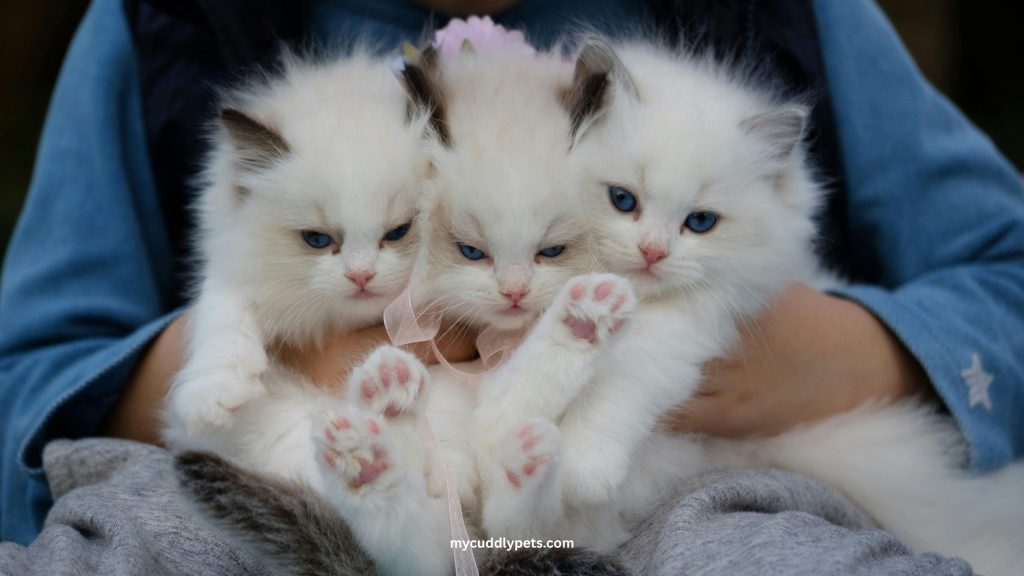
If you’ve seen a Ragdoll cat, you know why people fall for them. They’re large, beautiful, and have this eerie way of going limp when you pick them up—like a ragdoll, which is exactly where the name comes from. But there’s more to these cats than their striking blue eyes and gentle demeanour.
What Makes Ragdolls Different
Ragdolls are one of the larger domestic cat breeds. A full-grown male can weigh 12 to 20 pounds, sometimes more. Females are typically smaller, around 8 to 15 pounds. They have semi-long, silky coats and those distinctive color-point patterns—darker fur on their face, ears, paws, and tail with a lighter body.
But the real defining trait is their temperament. Ragdolls are known for being laid-back and relaxed. They don’t have the typical cat aloofness. Instead, they tend to follow you around the house, greet you at the door, and genuinely seem to enjoy your company. They’re often called “puppy cats” for this reason—they act more like dogs than the typical aloof feline.
The Limp Thing Is Real
One of the strangest—and most endearing—traits of Ragdolls is their tendency to go completely limp when picked up. Their muscles relax, and they essentially drape over your arms. Some people love it. Others find it a bit unsettling. But it’s just how they’re wired. They seem unbothered by being held, which makes them great for families.
That said, it’s still important to support them properly. They might be relaxed, but their joints need care like any cat’s.
Health Things to Know
Ragdolls live 12 to 17 years on average, sometimes longer. But they’re prone to a few health issues worth knowing about before bringing one home.
Hypertrophic cardiomyopathy (HCM) is a heart condition that shows up in some Ragdolls. Polycystic kidney disease (PKD) is another. Reputable breeders test for these conditions, so if you’re adopting, ask about health screening. It matters.
They’re also prone to kidney disease later in life. Regular vet checkups help catch problems early.
Living With a Ragdoll
Ragdolls aren’t high-energy cats, but they’re not couch potatoes either. They enjoy playtime and exploring. They’ll happily nap on your lap for hours, though. They’re adaptable and do well in apartments, houses, or anywhere really.
They need grooming. Their semi-long coats don’t mat as easily as some breeds, but regular brushing—a few times a week—keeps them healthy and reduces shedding. Skip the grooming, and you’ll find fur around your home.
They’re also chatty. Ragdolls vocalize more than some breeds. Not in an annoying way, but they’ll “talk” to you throughout the day. If you prefer a silent cat, this might be worth considering.
Are They Right for You?
Ragdolls are good for families, singles, and seniors. They’re patient with kids and get along well with other pets, including dogs. If you travel frequently and leave your cat alone for long stretches, though, this breed might struggle. They’re social and crave interaction.
They’re also indoor cats. Full stop. Their gentle, trusting nature makes them vulnerable outside. They don’t have the street smarts of other breeds. Keep them inside.

Finding One (And What to Expect)
Reputable Ragdoll breeders exist, and they should provide health testing documentation. A kitten from a good breeder costs $400 to $2,500, depending on quality and location. Yes, it’s expensive. But you’re paying for health screening and responsible breeding.
Adoption is another option. Check breed-specific rescues or local shelters. Adult Ragdolls end up in rescue sometimes, and they make wonderful pets.
Wherever you get one, ask about health history. Meet the parents if possible. Trust your gut about the breeder or shelter.
The Real Picture
Ragdolls are genuinely affectionate cats. They’re not pretending to like you—they actually seem to. They’re calm, beautiful, and make good companions. But they need grooming, regular vet care, and attention. They’re not low-maintenance. They’re also prone to specific health issues, so responsible sourcing matters.
If you want a cat that actually interacts with you and doesn’t hide for 16 hours a day, a Ragdoll might be the right fit. Just go in with eyes open about the commitment involved.
That’s the honest take.
Frequently Asked Questions
How long do Ragdoll cats live?
Ragdolls typically live 12 to 17 years. Some live into their late teens or even early 20s with proper care and regular vet checkups.
Do Ragdoll cats shed a lot?
Yes, they do shed. Their semi-long coats shed year-round, and you’ll notice it more during spring and fall. Regular brushing—a few times a week—helps manage shedding and keeps their coat healthy.
Are Ragdoll cats hypoallergenic?
No. While no cat breed is truly hypoallergenic, Ragdolls aren’t considered hypoallergenic. They produce the Fel d 1 protein that triggers allergies in many people. If you have allergies, spend time with a Ragdoll before committing to one.
Can Ragdoll cats go outside?
They shouldn’t. Ragdolls are indoor cats. Their gentle, trusting nature makes them vulnerable to traffic, predators, and theft. They lack the street awareness of other breeds and don’t do well outdoors.
How much does a Ragdoll kitten cost?
A Ragdoll kitten from a reputable breeder typically costs $400 to $2,500, depending on quality, location, and breeder reputation. Adoption through rescues or shelters is usually cheaper, often $50 to $200.
Are Ragdolls good with kids?
Yes. Ragdolls are patient and tolerant, making them good family pets. They handle the noise and activity of kids well. Teach children to handle them gently, though—they’re large but delicate.
Do Ragdoll cats get along with other pets?
Generally yes. Ragdolls are social and adaptable. They often get along with other cats and even dogs. Introductions should be gradual and supervised, as with any cat.
How often should I groom a Ragdoll?
Brush them 3 to 4 times a week to prevent matting and reduce shedding. During shedding season, daily brushing helps. Trim their nails every 2 to 3 weeks and clean their ears regularly.
What health problems do Ragdoll cats have?
Ragdolls are prone to hypertrophic cardiomyopathy (a heart condition), polycystic kidney disease, and kidney disease later in life. Ask breeders about health testing. Regular vet checkups catch issues early.
Are Ragdolls vocal?
More than some breeds, yes. Ragdolls “talk” throughout the day. They’re not loud or annoying, but they communicate with soft meows and chirps. If you prefer a quiet cat, this matters.
Do Ragdoll cats like to be held?
Most do. Their signature trait is going limp when picked up. They generally enjoy being held and don’t mind physical affection like many cats do. It’s one reason they’re popular with families.
What’s the difference between a Ragdoll and a Birman?
Both have blue eyes and color-point patterns, but they’re different breeds. Birmans are smaller and more active. Ragdolls are larger, calmer, and more likely to go limp. Ragdolls exhibit greater colour variation in their patterns.
Can Ragdoll cats be trained?
To some extent. They’re smarter than average cats but more independent than dogs. They can learn basic commands and walk on a harness, though they’re not as trainable as dogs. Positive reinforcement works best.
How do I know if a Ragdoll breeder is reputable?
Good breeders provide health testing documentation, let you meet the parents, answer your questions thoroughly, and follow up after you take a kitten. They also have a return policy if things don’t work out. Avoid breeders who won’t provide references or health records.