
Website: MyCuddlyPets.com
Finding the right dog food for diarrhea can be confusing when your pet suddenly develops loose or watery stools. You may wonder whether to keep serving the usual kibble, try plain rice, or switch to a food designed for sensitive digestion.
The best approach depends on your dog’s age, symptoms, medical history, and how long the diarrhea has lasted. Some otherwise healthy adult dogs with mild digestive upset may benefit from a veterinarian-approved, easily digestible diet. Others need prompt medical assessment rather than a change in food.
Diarrhea can follow a sudden diet change, eating table scraps, stress, or food intolerance. It can also be associated with parasites, infections, toxins, and other medical conditions. Food choices may support digestive recovery, but no single food cures every cause of diarrhea.
Important: Contact a veterinarian promptly if your dog has bloody or black, tar-like stool, repeated vomiting, marked weakness, significant abdominal pain, or signs of dehydration. Puppies and dogs with existing health problems may need advice sooner.
What Should You Feed a Dog With Diarrhea?

For an otherwise healthy adult dog with mild diarrhea, normal energy, and no concerning symptoms, a veterinarian may recommend small, frequent meals of a highly digestible diet. Depending on the situation, that could mean a veterinary gastrointestinal diet or a short-term homemade bland diet.
Start by reviewing what your dog has eaten recently. Consider whether you introduced a new kibble, offered unfamiliar treats, shared fatty table scraps, or noticed your pet getting into garbage. This information can help your veterinarian decide whether a dietary trigger is plausible.
While monitoring a mild episode, keep fresh water available, avoid rich treats and table scraps, and watch your dog’s appetite, energy, stool frequency, and ability to drink.
Do not repeatedly switch between foods in an attempt to find an immediate solution. Too many changes can make it harder to identify the original trigger and may add further digestive upset.
Can a Sudden Food Change Cause Diarrhea?
Yes. Switching foods too quickly can contribute to loose stools because the new formula may contain different proteins, fats, carbohydrates, fibers, and other ingredients that your dog’s digestive system must adjust to.
For example, a dog accustomed to one dry food may develop softer stools after an overnight switch to a different brand or recipe. The change may be temporary, but diarrhea can also have another cause, so do not automatically blame the new food if symptoms are severe or persistent.
If diarrhea began immediately after a food change and your dog otherwise seems well, ask your veterinarian whether returning to the previously tolerated diet is appropriate. Once stools have normalized and a new diet is still desired, introduce it gradually rather than changing everything at once.
Many dogs tolerate a transition over seven to ten days, while sensitive dogs may need longer. Follow your veterinarian’s recommendations if your dog has a medical condition or a prescribed diet.
How Food Intolerance and Dietary Indiscretion Affect Stool
Dietary indiscretion means eating something unusual or inappropriate, such as garbage, spoiled food, greasy leftovers, or unfamiliar treats. These foods can upset digestion, and some exposures can be dangerous. If your dog may have swallowed a toxin, medication, foreign object, or a potentially harmful food, contact a veterinarian immediately rather than waiting to see whether a diet change helps.
Food intolerance is another possible contributor. A dog may develop digestive signs after eating an ingredient that does not agree with them. Symptoms can include recurring loose stools, gas, vomiting, or discomfort after meals. Food allergy is different and may also involve itching or recurrent skin and ear problems.
However, diarrhea alone does not establish that your dog has an allergy or intolerance. Parasites, infections, and other disorders can cause similar signs.
If episodes recur, keep a record of your dog’s food, treats, supplements, stool changes, and timing of symptoms. A veterinarian may recommend diagnostic tests or a structured diet trial instead of eliminating numerous ingredients without a clear plan.
What Is a Bland Diet for Dogs?
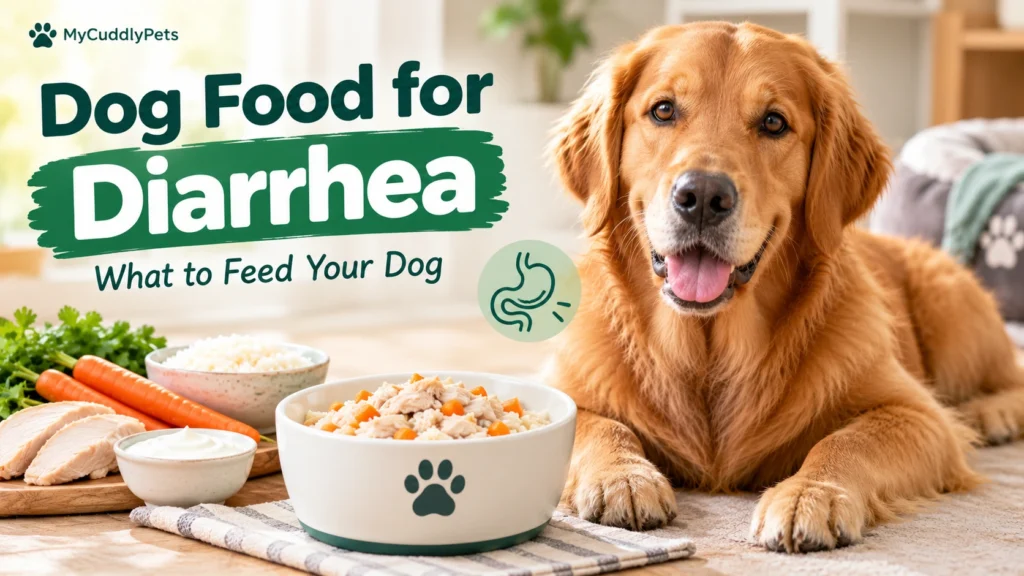
A bland diet is a simple, easily digestible feeding approach sometimes recommended for short-term management of mild digestive upset. Traditional homemade examples include plain cooked white rice with thoroughly cooked, skinless chicken breast, provided the dog tolerates both ingredients.
Some veterinary guidance also describes lean, cooked ground meat with rice or other simple cooked carbohydrates. The appropriate ingredients depend on the individual dog’s medical history and dietary tolerance.
A homemade bland diet is not automatically suitable for every dog. Chicken may be inappropriate for a dog with a relevant food intolerance, and a bland diet may not meet the nutritional needs of a growing puppy or a dog with a condition requiring specific nutrient levels.
Ask your veterinarian whether a bland diet is appropriate, what ingredients to use, and how long to feed it. Do not rely on a homemade mixture if your dog is becoming weak, cannot keep water down, has bloody stool, or is otherwise unwell.
Can Dogs Eat Plain Rice When They Have Diarrhea?
Plain, thoroughly cooked white rice can be part of a short-term bland diet for some dogs when a veterinarian considers it appropriate. It is relatively easy to digest for many dogs and provides a carbohydrate source.
Serve rice plain, without butter, oil, salt, sauces, seasoning, onions, or garlic. If paired with chicken, the chicken should be thoroughly cooked and free of skin, bones, and added seasonings. Avoid ingredients that your dog is known to react to.
Rice is not a complete treatment for diarrhea. Feeding rice alone does not provide all the nutrients a dog needs, and adding it to the usual food is not guaranteed to improve stool quality. White rice is also not the right answer for every cause of diarrhea.
Other foods sometimes discussed in digestive care, including plain cooked pasta or certain sources of soluble fiber, may be appropriate in selected situations. Ask your veterinarian before adding new ingredients or supplements, especially if symptoms continue.
Why Chicken and Rice Should Not Become a Long-Term Diet
Chicken and rice may be useful as a temporary feeding option in selected cases, but the combination is not nutritionally complete and balanced for long-term feeding. It does not reliably provide every essential vitamin, mineral, fatty acid, and other nutrient in the correct proportions.
Dogs need a balanced diet suited to their life stage and health requirements. Growing puppies, pregnant or nursing dogs, and pets with chronic illnesses may have particularly important nutritional needs.
For routine feeding, look for a dog food with a nutritional adequacy statement indicating that it is complete and balanced for the appropriate life stage. The U.S. Food and Drug Administration explains these statements in its guide to complete and balanced pet food.
If your dog repeatedly develops diarrhea whenever a homemade bland diet is stopped, arrange a veterinary assessment instead of continuing the restricted diet indefinitely. Recurrent symptoms may require investigation and a more suitable long-term nutrition plan.
Are Commercial Digestive-Support Dog Foods a Better Option?
Commercial digestive-support diets can be useful for some dogs because they are formulated to provide more controlled nutrient profiles and digestibility than an improvised homemade mixture. Veterinary therapeutic gastrointestinal diets may also offer specific fat or fiber characteristics selected for particular clinical needs.
These diets are not interchangeable, and the most suitable formula depends on the dog. A veterinarian may consider the severity and duration of symptoms, suspected cause, food tolerance, other medical conditions, and nutritional requirements before recommending a diet.
When comparing regular commercial foods, check the life-stage suitability and nutritional adequacy statement. Marketing terms such as “sensitive stomach” or “digestive care” do not by themselves establish that a food will resolve your dog’s diarrhea.
If your dog has repeated digestive problems, a veterinary therapeutic diet may be more appropriate than trying multiple over-the-counter formulas. Do not assume that a food marketed for sensitive digestion is suitable for dogs with pancreatitis, kidney disease, food allergies, or other conditions.
For additional context, see our related guide: Dog Food for Sensitive Stomachs.
Hydration: An Essential Part of Managing Diarrhea
Diarrhea causes the body to lose additional water and electrolytes. Frequent watery stools, especially when combined with vomiting, can increase the risk of dehydration. A diet change alone cannot correct significant fluid loss.
Keep clean, fresh water readily available and observe whether your dog is drinking and urinating normally. Wet food may contribute additional water, but it does not replace veterinary treatment when dehydration is significant.
Contact a veterinarian if your dog is reluctant or unable to drink, repeatedly vomits after drinking, becomes unusually weak, or appears increasingly unwell. Do not force water into your dog’s mouth or give human electrolyte products unless a veterinarian specifically advises it.
Veterinary treatment may include fluids and other care depending on the cause and severity of the illness. Cornell University’s guide to diarrhea in dogs explains how fluid loss can lead to dehydration and electrolyte imbalances.
Should You Change Your Dog’s Food Immediately?
Not necessarily. A single episode of loose stool does not automatically mean your dog’s usual food is unsuitable. If the dog is otherwise comfortable and the episode is mild, review recent treats, food changes, and possible access to unfamiliar items before making a major dietary switch.
For a healthy adult dog with mild symptoms, a veterinarian may suggest monitoring, a temporary digestible diet, or returning to a previously tolerated food if a recent transition appears to be involved.
Do not prolong fasting or impose restrictive feeding practices without veterinary direction. Some dogs need regular nutrition, and withholding food may be inappropriate for puppies, small or medically vulnerable dogs, or animals with other symptoms.
Do not give human antidiarrheal medicines, pain relievers, or unverified home remedies unless a veterinarian specifically directs you to use them. Certain medications can be dangerous or unsuitable depending on the underlying cause.
How to Return to Regular Dog Food After Diarrhea
Once your dog is improving and your veterinarian considers a return to normal feeding appropriate, transition back to the usual complete and balanced diet gradually. A sudden return to a full serving of regular food may trigger further digestive upset in some dogs.
A common approach is to mix increasing proportions of the regular food into the temporary diet over several days. The exact schedule depends on your dog’s tolerance, the diet being used, and veterinary advice.
- Begin the transition when symptoms have improved and your veterinarian agrees it is appropriate.
- Introduce the regular food in stages rather than making an abrupt switch.
- Avoid rich treats, table scraps, and additional new foods during the transition.
- Monitor stool consistency, appetite, water intake, and energy.
- Slow down and contact your veterinarian if diarrhea returns or other symptoms develop.
If your dog was prescribed a therapeutic diet for a diagnosed condition, do not discontinue it without checking with the prescribing veterinarian.
When Puppies, Senior Dogs, and Medically Vulnerable Dogs Need Help
Age and medical history can change how urgently diarrhea needs attention. Puppies can deteriorate quickly, and diarrhea may be associated with parasites or serious infections, including parvovirus. Seek prompt veterinary advice for a puppy with diarrhea, particularly if vaccination status is incomplete or vomiting, reduced appetite, or low energy occurs.
Senior dogs and dogs with chronic kidney disease, diabetes, gastrointestinal disorders, or other significant medical conditions may also be more vulnerable to fluid loss or dietary complications. A diet that is reasonable for a healthy adult dog may not meet the needs of a medically complex pet.
For these dogs, contact the veterinary team early rather than experimenting with homemade diets, prolonged fasting, supplements, or repeated food changes.
When Is Dog Diarrhea an Emergency?
Seek urgent veterinary care if your dog has any of the following warning signs:
- Blood in the stool: Fresh red blood or black, tar-like stool can indicate bleeding or another serious problem.
- Repeated vomiting: Ongoing vomiting alongside diarrhea increases fluid-loss concerns.
- Weakness or collapse: Marked lethargy, difficulty standing, or reduced responsiveness requires urgent assessment.
- Significant abdominal pain: A painful or swollen abdomen, especially with repeated unproductive retching, can indicate an emergency.
- Dehydration concerns: Inability to drink, inability to keep water down, or worsening weakness should not be managed with food changes alone.
- Possible toxin or foreign-object exposure: Suspected ingestion of a dangerous substance, medication, or object needs immediate veterinary guidance.
- Persistent diarrhea: Contact your veterinarian if diarrhea is not improving within 24–48 hours, lasts longer, or worsens at any point. Severe symptoms warrant earlier care.
Even without these warning signs, persistent diarrhea deserves veterinary assessment because parasites, infection, inflammatory disease, and other medical problems may need specific treatment. Do not wait for a dietary trial to finish if your dog’s condition is deteriorating.
Practical Feeding Checklist for Dog Owners
- Review recent food changes, treats, table scraps, and possible scavenging.
- Keep fresh water available and watch for signs of dehydration.
- Ask your veterinarian whether a short-term bland diet or a commercial gastrointestinal diet is appropriate.
- Avoid unseasoned food ingredients that your dog cannot tolerate, and never add onions, garlic, or rich sauces.
- Do not use chicken and rice as a complete long-term diet.
- Avoid human medications, prolonged fasting, and unverified remedies without veterinary direction.
- Record stool frequency, appearance, appetite, energy, and other symptoms.
- Seek veterinary advice promptly if symptoms persist, worsen, or occur in a puppy or medically vulnerable dog.
Frequently Asked Questions
What is the best dog food for diarrhea?
There is no single best food for every dog with diarrhea. A veterinarian may recommend a highly digestible commercial gastrointestinal diet or, in selected mild cases, a temporary bland diet. The choice depends on the dog’s symptoms, age, medical history, and suspected cause.
Can I feed my dog chicken and rice for diarrhea?
Plain cooked chicken and white rice may be appropriate as a temporary option for some otherwise healthy dogs if a veterinarian agrees. Both ingredients must be prepared without seasoning, and the combination is not nutritionally complete for long-term feeding.
Is dry food or wet food better for a dog with diarrhea?
Neither format is automatically better for every dog. A suitable diet’s digestibility, nutrient composition, moisture content, and compatibility with the dog’s medical needs matter more than whether it comes in a can or a bag. Ask your veterinarian which format is appropriate.
Can a food change cause diarrhea in dogs?
Yes. A sudden change in ingredients or nutrient composition can contribute to digestive upset. Introduce new food gradually when appropriate, but seek veterinary advice if diarrhea is severe, persistent, or accompanied by other symptoms.
Should I stop feeding my dog when it has diarrhea?
Do not impose a prolonged fast without veterinary direction. Feeding recommendations depend on the dog’s age, symptoms, and health history. Puppies and dogs with existing medical conditions may be especially vulnerable to inappropriate fasting.
How long should a dog eat a bland diet?
The appropriate duration depends on the cause of diarrhea and the dog’s response. Homemade bland diets are not nutritionally complete for long-term feeding. Ask your veterinarian when to stop the temporary diet and how to return to a balanced food.
When should I call a vet about dog diarrhea?
Contact a veterinarian promptly for blood or black, tar-like stool, repeated vomiting, weakness, significant pain, dehydration concerns, or possible toxin exposure. Seek early advice for puppies and medically vulnerable dogs, and contact your veterinarian if diarrhea persists beyond 24–48 hours or worsens sooner.
Final Thoughts
Choosing dog food for diarrhea is about supporting digestion while recognizing when a food change cannot address the underlying problem. Some dogs with mild digestive upset may benefit from a veterinarian-approved, easily digestible diet, while others need testing, fluids, medication, or a tailored nutritional plan.
Keep water available, avoid sudden dietary experiments, and do not rely on homemade bland food indefinitely. If diarrhea persists, returns repeatedly, or comes with concerning symptoms, contact your veterinarian. The safest feeding approach is the one that accounts for your dog’s individual health and nutritional needs.
References
- Cornell University College of Veterinary Medicine: Diarrhea
- VCA Animal Hospitals: Bland Diet Instructions for Dogs and Cats
- U.S. Food and Drug Administration: Complete and Balanced Pet Food
- Cornell University College of Veterinary Medicine: Canine Parvovirus
Editorial note: This article provides general educational information and is not a diagnosis or a substitute for veterinary advice. Feeding and treatment decisions should be based on the individual dog’s condition and a veterinarian’s recommendations.