Your cat can’t tell you when something hurts. Right now, your cat could be suffering from a serious health problem and you might not even know it. Most cats hide discomfort until it becomes critical—which means the difference between catching an issue early and facing an expensive emergency often comes down to one thing: knowing what to look for.
That’s why learning to spot common cat health problems early matters so much.
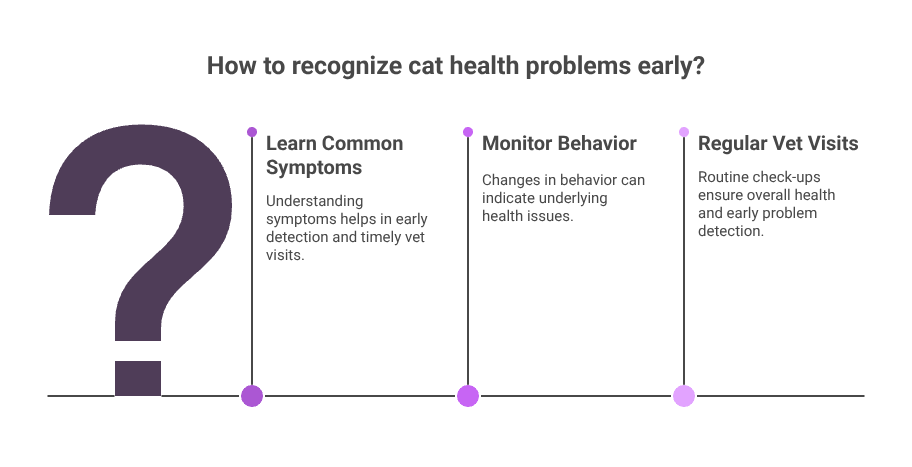
This guide covers the health issues cat owners encounter most often—what they look like, why they happen, and when to call your vet. The goal isn’t to worry you. It’s to help you feel confident in recognizing when your cat needs care.
Urinary Tract Problems (FLUTD)
This is one of the most common reasons cats visit the vet. FLUTD stands for feline lower urinary tract disease. It means your cat is having trouble or pain when trying to pee.
What to look for:
Your cat may strain when using the litter box, even if nothing comes out. You might hear them cry while urinating. Some cats start going outside the litter box because the box has become associated with pain. You may also notice blood in their urine or excessive licking of their genital area.
Why it happens:
Stress, diet, dehydration, and bladder inflammation all play a role. Sometimes crystals form in the urine, which can block the flow. Male cats are at higher risk because their urethra is narrower than females’.
What you can do:
Encourage your cat to drink more water. A cat water fountain sometimes helps because many cats prefer running water. Reduce stress in your home if possible. Feed a diet recommended by your vet if FLUTD keeps returning.
When to see a vet:
If your cat can’t urinate at all, this is an emergency. A blocked urinary tract can be life-threatening. Even if your cat is straining but producing some urine, call your vet within a day. Don’t wait.
Hyperthyroidism
This condition is especially common in older cats. Their thyroid gland produces too much hormone, which speeds up their whole metabolism.
What to look for:
Your cat may eat more than usual but lose weight anyway. They seem restless, drink extra water, and urinate more frequently. Their coat might look rough or unkempt. You may notice they’re more vocal or anxious than before.
Why it happens:
The exact cause isn’t completely clear, but it happens naturally as cats age. It’s more common in cats over 10 years old.
What you can do:
This isn’t something to treat at home. Your vet will run blood tests to confirm it and discuss options—medication, special diet, or other treatments depending on your cat’s situation.
When to see a vet:
If you notice these changes in your older cat, schedule a vet visit soon. Hyperthyroidism won’t go away on its own, and untreated, it can damage your cat’s heart.
Kidney Disease
Chronic kidney disease is common in older cats. Their kidneys gradually lose the ability to filter waste from the blood.
What to look for:
Your cat drinks much more water than usual and urinates more frequently. They may lose weight and seem less interested in eating. Breath may smell different. Some cats become lethargic or vomit occasionally.
Why does it happen:
Kidneys wear out naturally over time in many cats. Dehydration, diet, genetics, and infections can all contribute. Unlike acute kidney failure (which happens suddenly), chronic kidney disease develops slowly.
What you can do:
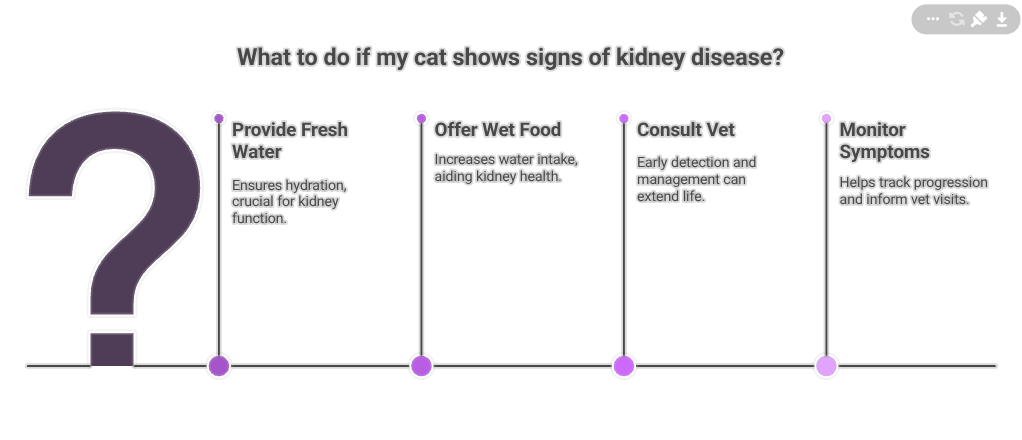
Make sure your cat always has access to fresh water. Wet food helps increase water intake. Your vet may recommend a special kidney-friendly diet. Regular vet checkups catch early signs before it becomes severe.
When to see a vet:
If your cat is drinking and urinating much more than normal, mention it at your next visit. If your cat stops eating or seems unusually tired, call your vet sooner. Kidney disease can’t be cured, but caught early, it can be managed for years.
Diabetes
More cats are developing diabetes, often related to weight and diet. If your cat has diabetes, their body can’t properly regulate blood sugar.
What to look for:
Increased thirst and urination. Weight loss despite normal or increased eating. Lethargy and lack of interest in activities. In later stages, cats may have difficulty walking or weakness in their back legs.
Why it happens:
Obesity, diet high in carbohydrates, and genetics all increase risk. Some cats develop it temporarily after stress or illness. Others have it long-term.
What you can do:
Keep your cat at a healthy weight through portion control and play. A diet higher in protein and lower in carbs can help prevent or manage diabetes. Regular play sessions matter more than many people realize.
When to see a vet:
If your cat is drinking and urinating excessively, see your vet for blood and urine tests. Early detection makes a real difference in managing this condition. Some cats go into remission with diet changes alone.
Dental Disease
Your cat’s teeth and gums matter just as much as yours. Dental disease is extremely common but often overlooked.
What to look for:
Bad breath is the most obvious sign. You might notice your cat drooling, dropping food, or chewing only on one side. Red or swollen gums. Reluctance to eat hard food. In severe cases, visible tartar buildup on teeth or even loose teeth.
Why it happens:
Plaque builds up on teeth just like it does for humans. It hardens into tartar. Bacteria in the mouth can lead to infections in the gums and tooth roots.
What you can do:
Brush your cat’s teeth if they’ll allow it—even a few times a week helps. Feed a diet that includes some texture to help clean teeth naturally. Ask your vet about dental treats. Don’t assume your cat’s teeth are fine just because they eat normally.
When to see a vet:
If you notice bad breath or changes in eating habits, have your vet examine your cat’s mouth. They may recommend a professional cleaning under anesthesia. Ignoring dental disease can lead to serious infections.
Vomiting
Occasional vomiting isn’t always alarming, but frequent vomiting usually means something needs attention.
What to look for:
Is your cat vomiting once a week or more? Is there blood in the vomit or does it look like coffee grounds? Is your cat eating less or acting uncomfortable? These signs matter.
Why does it happen?
Hairballs are common, especially in long-haired cats. Diet changes can upset the stomach. Food allergies, infections, parasites, kidney disease, and hyperthyroidism can all cause vomiting. Sometimes stress plays a role.
What you can do:
For hairballs, try a brush to remove loose fur before it’s ingested. Some cats benefit from hairball prevention treats. If food seems to be the cause, make diet changes gradually. If your cat eats too fast, try a slow-feeder bowl.
When to see a vet:
Occasional vomiting is common, but if it’s happening weekly or your cat seems ill, see your vet. Vomiting can be a symptom of something more serious that needs treatment. Don’t assume it’s just hairballs.
Obesity and Weight Problems
Many cats are overweight, and it creates a ripple effect of health issues—joint problems, diabetes, heart disease, and shortened lifespan.
What to look for:
You should be able to feel your cat’s ribs without pressing hard. If you can’t feel them at all, your cat is likely overweight. Look for a waist when viewing from above. If your cat looks like a furry potato with legs, it’s time to address weight.
Why does it happen?
Indoor cats don’t move as much as they should. Overfeeding and too many treats are common. Sometimes cats gain weight as they age and activity decreases.
What you can do:
Measure portions carefully—many owners overfeed without realizing it. Increase playtime and activity. Use treats sparingly. Switch to a higher-protein, lower-carb diet if your vet recommends it. Change needs to happen slowly and steadily.
When to see a vet:
Talk to your vet about your cat’s ideal weight and how to get there safely. Rapid weight loss can actually cause liver problems in cats, so gradual change is important. Your vet can create a plan that works.
Arthritis and Joint Pain
Older cats especially suffer from arthritis, but it can develop at any age.
What to look for:
Your cat moves less, jumps less, or avoids jumping from heights. Stiffness in the morning or after rest. Difficulty using the litter box, grooming, or climbing stairs. Some cats become more irritable when touched.
Why does it happen?
Joints naturally wear down with age. Injuries or being overweight increase risk. Some cats are genetically prone to joint problems.
What you can do:
Keep your cat at a healthy weight—extra pounds strain joints. Provide litter boxes and water bowls on each level of your home so your cat doesn’t need to climb as much. A heating pad near their favorite resting spot helps. Soft, supportive bedding matters.
When to see a vet:
If your cat is slowing down, mention it at your annual checkup. Your vet can assess joint health and recommend pain management, supplements, or other options. Catching arthritis early helps maintain your cat’s quality of life.
Parasites
Internal and external parasites are common, especially in outdoor cats or kittens. They’re also preventable.
What to look for:
External parasites like fleas—you might see tiny dark specks in the fur or notice your cat scratching more. Tapeworms appear as small rice-like segments in the stool or on the rear. Your cat may scoot on their bottom. Other signs include diarrhea, vomiting, or weight loss.
Why does it happen?
Fleas spread easily between cats or from the environment. Intestinal parasites come from contaminated food, water, or hunting. Some parasites can affect you too, so prevention matters for your whole household.
What you can do:
Use flea and parasite prevention regularly—even indoor cats can get fleas from wildlife. Ask your vet which product is best for your cat. Keep your cat’s environment clean. Wash bedding in hot water regularly.
When to see a vet:
Parasites need professional treatment. If you suspect your cat has fleas or worms, call your vet. Don’t rely on over-the-counter treatments alone. Your vet will prescribe the safest, most effective option for your cat.
Hypoglycemia and Low Blood Sugar
This is less common than some conditions, but it can happen, especially in diabetic cats or very young kittens.
What to look for:
Sudden weakness, confusion, or stumbling. Trembling or seizures in severe cases. Excessive drooling. Your cat may seem disoriented.
Why does it happen:
In diabetic cats, too much insulin causes blood sugar to drop. Very young or malnourished kittens are at risk. Stress or illness can trigger it.
What you can do:
If you think your cat has low blood sugar, give them something sweet immediately—a small spoonful of honey or corn syrup. Call your vet right away.
When to see a vet:
Low blood sugar is an emergency. If your cat shows these sig
ns, don’t wait. Get to your vet or an emergency clinic immediately.
Respiratory Infections
Cats catch colds and flu-like illnesses, especially kittens and cats in multi-cat homes.
What to look for:
Sneezing, coughing, or wheezing. Runny nose or watery eyes. Lethargy and loss of appetite. Fever (though you may not notice this without taking their temperature).
Why does it happen:
Viruses spread between cats through respiratory droplets. Cats with weakened immune systems, young kittens, and elderly cats are more susceptible. Stress and poor air quality increase risk.
What you can do:
Keep your cat’s environment clean and well-ventilated. Separate a sick cat from others if possible. Ensure they eat and drink, even if they’re not interested. Provide a humid environment—a bathroom with a running shower can help.
When to see a vet:
Most respiratory infections in healthy cats resolve on their own with
in a week or two. However, if your cat stops eating, struggles to breathe, or doesn’t improve within a few days, see your vet. Kittens and elderly cats should see a vet sooner—respiratory infections can become serious.
When Something Doesn’t Feel Right
Sometimes your cat will seem off without a specific symptom you can name. They’re quieter than usual, moving differently, or just not themselves.
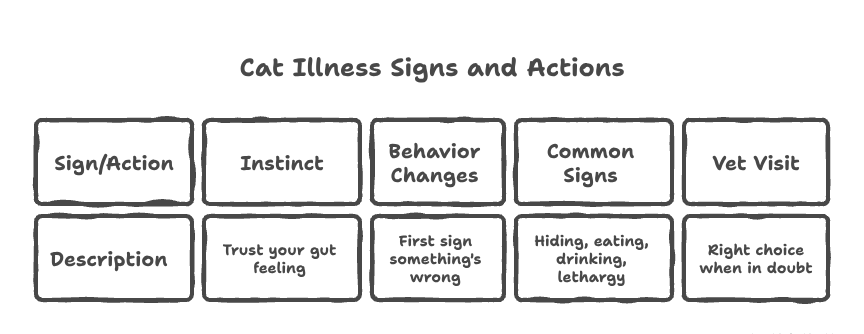
Trust that instinct. Changes in behavior are often the first sign something’s wrong. Your cat can’t say “I don’t feel well,” so subtle shifts matter.
Common signs of illness include hiding more than usual, reluctance to eat, changes in water intake or bathroom habits, lethargy, aggression or unusual clinginess, and changes in grooming or appearance.
When in doubt, a vet visit is the right choice. Even if it turns out to be nothing serious, you’ll have peace of mind. And if something is wrong, you’ve caught it early.
Building a Relationship With Your Vet
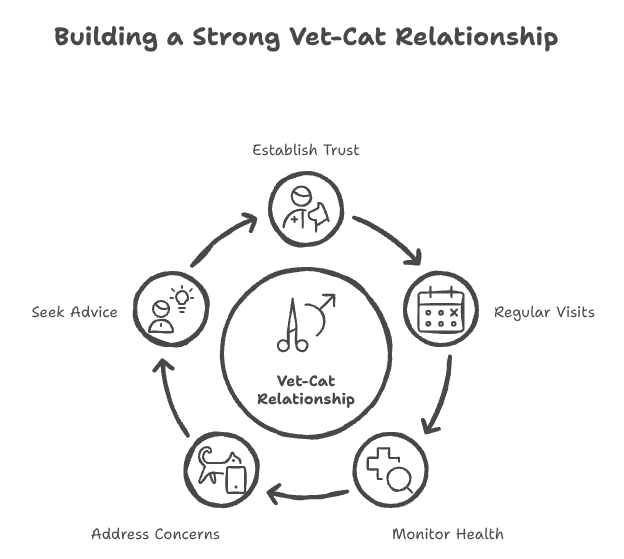
The best thing you can do for your cat’s health is have a vet you trust and see them regularly—at least annually for healthy adult cats, more often for kittens, senior cats, or those with health issues.
Your vet knows your cat’s history and baseline health. They can notice changes over time. They’ll take your concerns seriously. And when you’re worried about something, they’re the right person to ask.
Don’t hesitate to call with questions. That’s what they’re there for. And don’t feel bad if an issue turns out to be minor—vets understand that pet parents worry. It’s a sign you care.
Knowing about common cat health problems doesn’t mean your cat will develop them. It means you’re prepared to notice early signs and take action quickly when something’s wrong.
Most cats live long, healthy lives. Regular vet checkups, a good diet, fresh water, exercise, and attention to changes in behavior go a long way. When health issues do come up, catching them early makes all the difference.
You know your cat better than anyone. That knowledge, combined with good veterinary care, is the foundation of your cat’s health and well-being. Trust yourself to notice when something’s off, and don’t hesitate to reach out to your vet. That’s how you give your cat the best chance at a long, healthy life.
Frequently Asked Questions
1. How often should I take my cat to the vet if they seem healthy?
Healthy adult cats should see a vet at least once a year for a checkup. If your cat is a kitten, senior (over 10 years old), or has existing health issues, they need more frequent visits—sometimes twice a year or more. These regular checkups help catch problems early before they become serious. Your vet can also update vaccinations, check weight, and assess overall health. Think of it like preventive care for yourself—regular visits catch things that might otherwise go unnoticed.
2. What’s the difference between normal vomiting and something serious?
Occasional vomiting from hairballs is fairly normal, especially in long-haired cats. However, if your cat is vomiting weekly or more, if there’s blood in the vomit, or if your cat seems sick (not eating, lethargic, acting uncomfortable), it’s worth a vet visit. The pattern matters. One vomiting episode that’s immediately followed by normal behavior is different from repeated vomiting over several days. When in doubt, contact your vet to describe what’s happening. They can tell you if your cat needs to be seen.
3. My cat is overweight. How do I help them lose weight safely?
Weight loss needs to be gradual in cats—fast weight loss can actually damage their liver. Work with your vet to set a goal and timeline. Usually, this means measuring food portions carefully, increasing play and activity, and reducing treats. Switching to a higher-protein, lower-carb diet often helps. Make changes slowly so your cat doesn’t get stressed or stop eating. Plan on losing about 1-2 pounds per month for most cats. It takes time, but steady progress is the goal. Your vet can monitor progress and adjust the plan if needed.
4. Can I treat my cat’s urinary problems at home?
Some urinary issues improve with increased water intake and stress reduction, but you shouldn’t treat this entirely at home. If your cat is straining to urinate or can’t urinate at all, see your vet immediately—blocked urinary tracts are emergencies. For chronic FLUTD, your vet may recommend prescription diet changes or other treatments. Home care can support treatment—like encouraging water intake through fountains or wet food—but it’s not a replacement for professional diagnosis and care.
5. Is it normal for older cats to slow down and move less?
Some slowing down with age is normal, but arthritis and pain shouldn’t be accepted as just “old age.” If your cat is jumping less, climbing stairs less, or struggling with the litter box, talk to your vet. Pain management, supplements, and environmental changes can really improve an older cat’s quality of life. Litter boxes on each floor, soft bedding, and heating pads help. Your vet can assess whether medication or other interventions would benefit your cat. Aging doesn’t have to mean suffering.
6. How do I know if my cat’s symptoms are an emergency versus something that can wait for a regular vet appointment?
Get emergency care if your cat can’t urinate, is unable to breathe, is having seizures, is unconscious or unresponsive, has severe injuries, or is bleeding. Also seek emergency care if your cat refuses to eat for more than a day, is extremely lethargic, is vomiting repeatedly, has severe diarrhoea, or shows sudden signs of extreme distress. For anything else that concerns you—changes in eating, drinking, litter box habits, or behavior—call your regular vet and describe the situation. They can help you decide if it needs same-day attention or can wait. When in doubt, it’s better to call and ask than to wait and worry.

Hi, I’m a lifelong pet lover and the person behind MyCuddlyPets.com. I’ve spent over 5 years caring for cats, dogs, and even birds, so I know how tricky (and fun!) pet parenting can be. I started this site to share everything I’ve learned from honest product reviews and helpful tips to heartwarming pet stories, so you can give your furry friends the best life possible. So, let’s make pet parenting easier and more fun — one cuddle at a time!