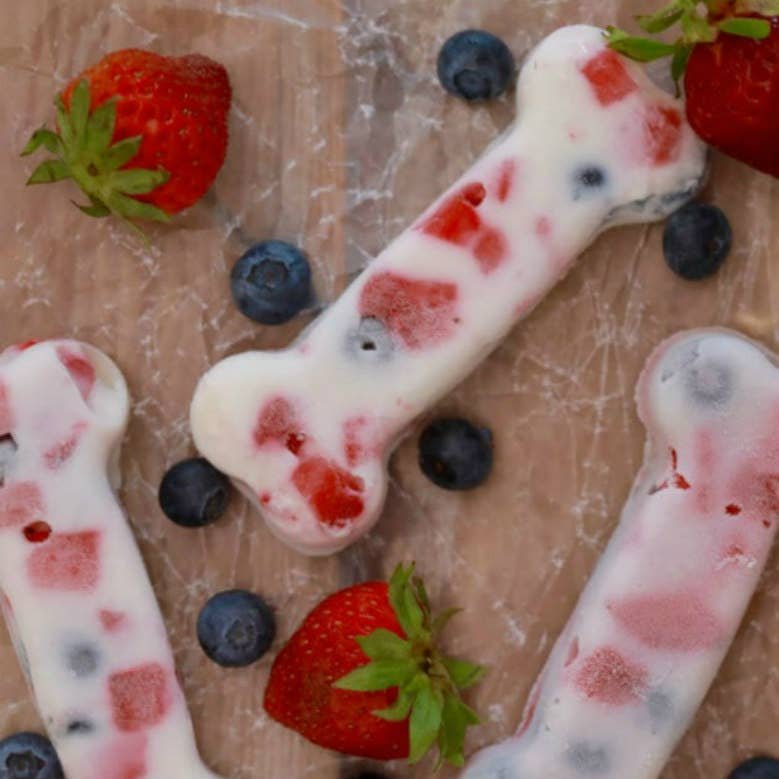
Frozen Dog Treats for Summer: Easy Homemade Recipes and Safety Tips
Frozen dog treats for summer can be a simple way to give your dog a cool, enjoyable snack when temperatures rise, as long as you use dog-safe ingredients, keep portions appropriate, and treat them as extras rather than a replacement for a balanced diet.
For dog owners across the United States, summer can mean hot sidewalks, humid afternoons, backyard play, and long days outside. A homemade frozen treat made with ingredients such as seedless watermelon, banana, plain unsweetened yogurt, pumpkin, or appropriate low-sodium broth can be an appealing option after time outdoors. Frozen treats are not a substitute for shade, fresh drinking water, or responsible heat management, but they can add variety and enrichment to a summer routine.
The safest approach is to keep recipes simple and read every ingredient label. Avoid xylitol, chocolate, grapes, raisins, onions, garlic, macadamia nuts, alcohol, and heavily seasoned or salty ingredients. Dogs can also react differently to dairy, fatty foods, and new ingredients, so introduce unfamiliar foods in small amounts and stop if your dog develops digestive problems. If your dog has diabetes, pancreatitis, kidney disease, food allergies, a prescription diet, or another medical condition, ask your veterinarian before changing treats.
Frozen dog treats are snacks made from dog-appropriate ingredients that are chilled or frozen until firm. They can range from simple frozen fruit pieces to blended treats poured into silicone molds, ice cube trays, or shallow freezer-safe containers.
The main attraction is texture and temperature. A frozen snack can take longer to eat than a soft treat and can provide licking or chewing enrichment. Ingredients with a high water content can also contribute some fluid to the snack, although your dog’s normal drinking water should remain the primary source of hydration.
Homemade treats also give you more control over ingredients than many human frozen desserts. Traditional ice cream and flavored frozen desserts can contain large amounts of sugar or dairy, and some products may contain ingredients that are unsafe for dogs. A homemade recipe lets you leave out unnecessary sweeteners and seasonings.
Source: myaussieservicedog.com
Simple base
Use one or two dog-safe ingredients rather than building an unnecessarily complicated recipe.
Small portions
Mini silicone molds or small freezer-safe portions make it easier to control how much your dog receives.
Safe texture
The finished treat should be appropriate for your dog’s size, chewing ability, and dental condition.
Do Frozen Treats Actually Cool Dogs Down?
A cold snack can feel refreshing, but it should not be treated as a way to prevent or treat overheating. Dogs primarily regulate body temperature through panting and other physiological mechanisms, and hot or humid conditions can become dangerous quickly.
If your dog is excessively panting, weak, confused, vomiting, collapsing, or showing other signs of possible heat illness, do not rely on a frozen treat. Move the dog to a cooler area and seek veterinary guidance promptly. Heatstroke can become an emergency.
Think refreshment, not treatment
Use frozen treats as an optional snack alongside shade, rest, ventilation, and access to fresh water.
Watch the whole dog
Changes in behavior, breathing, coordination, or responsiveness matter more than whether your dog accepts a cold treat.
Best Ingredients for Homemade Frozen Dog Treats
The best ingredients are usually familiar foods that are already appropriate for your individual dog. You do not need a long ingredient list to make a useful frozen snack. In many cases, one fruit, one liquid, or a simple combination is enough.
Always check the specific product label when using packaged ingredients. A food that is generally dog-friendly can become unsuitable when it contains added sweeteners, excessive salt, onion or garlic powder, chocolate, or other problematic ingredients.
Source: www.pinterest.com
Seedless watermelon
Use ripe watermelon with the rind and seeds removed. Cut it into small pieces or puree it with a little water before freezing.
Banana
Ripe banana can create a creamy texture when blended and frozen. Because it is relatively calorie-dense compared with watery fruits, keep portions modest.
Blueberries and strawberries
These can be used whole when appropriately sized or mashed and mixed into a frozen recipe. Larger pieces may need to be cut for smaller dogs.
Plain pumpkin
Use plain pumpkin puree rather than pumpkin pie filling, which may contain added sugar and spices.
Plain unsweetened yogurt
Some dogs tolerate plain yogurt, while others do not tolerate dairy well. Choose an unflavored product without xylitol or other unsafe additives.
Appropriate broth
A suitable low-sodium broth can be frozen into small cubes, but avoid products containing onion, garlic, excessive salt, or seasoning blends.
Xylitol-free peanut butter
A small amount can add flavor and creaminess. Check the ingredient list every time because formulations can change.
Ingredients to Avoid
Several foods commonly found in human desserts or snack foods are unsafe for dogs. Xylitol is particularly important because it can appear in products marketed as sugar-free or reduced-sugar. Chocolate, grapes, raisins, onions, garlic, and macadamia nuts should also be kept out of homemade dog treats.
Avoid turning a dog treat into a human dessert by adding chocolate chips, sweetened syrups, flavored whipped cream, heavily sweetened yogurt, or salty toppings. More ingredients do not necessarily make a better treat.
Xylitol
Do not use products containing xylitol. If a dog may have consumed xylitol, contact a veterinarian or animal poison service promptly.
Chocolate and cocoa
Keep chocolate and cocoa out of dog treats because chocolate exposure can cause serious illness in dogs.
Grapes and raisins
Do not use grapes or raisins in frozen treats because they can cause serious kidney problems in dogs.
Onions and garlic
Avoid fresh, cooked, powdered, or concentrated forms in broths and savory recipes.
Macadamia nuts
Do not use macadamia nuts as a topping or ingredient.
Easy Frozen Dog Treat Recipes for Summer
You can make most frozen dog treats with a blender, a bowl, a silicone mold, or a small freezer-safe container. The recipes below are deliberately simple so you can adjust them for your dog’s preferences and dietary needs.
These are general recipe ideas, not individualized veterinary diets. If your dog has a medical condition or is on a therapeutic diet, use your veterinarian’s instructions rather than assuming a homemade recipe is appropriate.
Source: mdpupscouts.com
Watermelon coolers
Puree seedless, rind-free watermelon and freeze the puree in small silicone molds. Add no sugar or sweetener.
Banana yogurt bites
Mash or blend ripe banana with a small amount of plain unsweetened yogurt and freeze in small portions if your dog tolerates dairy.
Blueberry yogurt bites
Mix mashed blueberries with plain unsweetened yogurt and freeze until firm. Use smaller portions for small dogs.
Pumpkin pops
Combine plain pumpkin puree with a little water and freeze in small molds. Keep the recipe free from pie spices and sweeteners.
Frozen broth cubes
Pour appropriate low-sodium, onion-free, garlic-free broth into a small mold and freeze. This is especially useful for dogs that prefer savory flavors.
Peanut butter banana bites
Blend banana with a small amount of xylitol-free peanut butter and freeze in tiny portions. Because peanut butter can be calorie-dense, use it sparingly.
Watermelon Frozen Dog Treats
Wash the watermelon, remove the rind and every visible seed, then cut the flesh into small pieces. Puree the fruit until smooth and pour it into a silicone mold or small freezer-safe container. Freeze until firm.
For very small dogs, choose tiny portions rather than large cubes. If the frozen piece is difficult for your dog to bite or chew, allow it to soften slightly before serving.
Best for
Dogs that enjoy fruit and prefer a simple, dairy-free frozen snack.
Safety check
Remove the rind and seeds before blending or serving.
Banana and Yogurt Frozen Bites
Mash one ripe banana and combine it with a modest amount of plain, unsweetened yogurt. Spoon the mixture into small molds and freeze until firm. If your dog has previously developed gas, diarrhea, or other digestive problems after dairy, use a dairy-free alternative approved for dogs or choose a fruit-based recipe instead.
Do not use flavored yogurt simply because it sounds more appealing. Plain yogurt gives you better control over added sugar and other ingredients.
Texture
Banana makes the mixture soft and creamy compared with a water-based frozen cube.
Portion
Use small molds so the finished treat remains an occasional snack rather than a large calorie addition.
Frozen Pumpkin Bites
Mix plain canned pumpkin puree with a small amount of water until it reaches a spoonable consistency. Divide it into small molds and freeze. This recipe is useful when you want a simple frozen snack without dairy.
Make sure the can contains plain pumpkin rather than pumpkin pie filling. Pie filling can contain ingredients that are inappropriate for dogs.
Simple preparation
No blender is necessary when the pumpkin is already smooth.
Ingredient check
Read the label and choose plain pumpkin without added sugar, spices, or other dessert ingredients.
How to Make and Serve Frozen Dog Treats Safely
Preparation is straightforward, but safe handling matters. Start with clean utensils and fresh ingredients, prepare portions that fit your dog’s size, and freeze the treats in a covered freezer-safe container or mold.
Before serving, consider how hard the treat has become. A very hard frozen object can be difficult for some dogs to handle, particularly dogs with dental disease, missing teeth, or a tendency to gulp food. Allowing a treat to soften slightly can make it easier to eat.
Supervise your dog the first time you offer a new frozen treat. Watch how your dog bites, licks, and swallows it rather than assuming every dog will handle the same shape safely.
Source: pupsgourmetkitchen.com
Prepare cleanly
Wash produce, use clean equipment, and keep prepared treats frozen in a clean, covered container.
Choose the right size
Small dogs generally need smaller portions, while large dogs may handle larger portions more easily, but individual chewing habits still matter.
Avoid wooden sticks
Do not leave a traditional wooden popsicle stick in a frozen treat for a dog because it can create choking, splintering, or gastrointestinal injury risks.
Supervise
Observe your dog while eating a new frozen treat, especially when the treat is firm or unusually shaped.
How Long Do Homemade Frozen Dog Treats Last?
For quality and food-safety reasons, it is better to make modest batches and store them in a clean, airtight, freezer-safe container rather than keeping a large homemade batch indefinitely. Label the container with the preparation date and discard treats if they develop freezer burn, an unusual odor, contamination, or signs of thawing and refreezing.
Recipes containing fresh dairy or other perishable ingredients deserve particular attention to handling and storage. When in doubt about a specific ingredient or storage period, follow the food manufacturer’s storage guidance and ask your veterinarian about ingredients relevant to your dog’s diet.
Small batches
Making a smaller quantity reduces waste and makes it easier to maintain freshness.
Label the container
Write the preparation date and basic ingredients on the container so you can track what is in the freezer.
How Much Frozen Treat Can a Dog Have?
There is no single frozen-treat portion that is appropriate for every dog. The right amount depends on the dog’s size, age, activity level, normal diet, body condition, health status, and the calorie density of the recipe.
A useful general principle is to treat homemade frozen snacks as treats rather than as a major source of nutrition. A calorie-heavy peanut butter or banana treat should be portioned differently from a small watermelon-and-water cube. If your dog receives several other treats during the day, the frozen snack should be considered as part of the overall treat intake.
Dogs with obesity, diabetes, pancreatitis, food allergies, kidney disease, gastrointestinal disease, or prescription diets may require more careful treat selection. For these dogs, a veterinarian can help determine whether a homemade frozen snack fits the diet.
Source: fursnpaws.com
Small dog
Use tiny molds and conservative portions, particularly for calorie-dense ingredients such as peanut butter or banana.
Medium dog
A small frozen bite or cube may be sufficient as an occasional snack, depending on the rest of the dog’s diet.
Large dog
A larger portion may be physically appropriate, but size alone does not determine how many calories a dog should receive.
Weight-management dog
Favor lower-calorie, water-rich recipes and discuss treat calories with your veterinarian if weight loss is a goal.
A Practical Portion Strategy
Instead of making one large frozen block, divide the recipe into many small portions. This makes it easier to offer a little at a time and adjust the amount based on how your dog responds.
For example, a recipe made with fruit and water can be divided into miniature molds, while a richer banana-and-peanut-butter mixture can be divided into even smaller portions. The exact calorie content depends on the ingredients and quantities used, so do not assume two frozen treats of the same size contain the same calories.
Lower-calorie choice
Water-rich fruits such as appropriately prepared watermelon can make a lighter option than calorie-dense ingredients.
Higher-calorie choice
Peanut butter, larger quantities of banana, and full-fat dairy can add calories quickly.
Common Mistakes to Avoid
Most problems with homemade frozen dog treats come from ingredients, portions, texture, or assumptions about what dogs can safely eat. A recipe does not become safe simply because it is homemade or frozen.
The safest habit is to check every packaged ingredient before combining it with other foods. This is particularly important for peanut butter, yogurt, broth, plant-based milk, and other processed ingredients that may contain sweeteners, salt, flavorings, or seasonings.
Source: pupsgourmetkitchen.com
Using human ice cream
Human ice cream may contain excessive sugar, dairy, chocolate, or unsafe sweeteners. A dog-specific recipe gives you better control over ingredients.
Forgetting the ingredient label
Do not assume that sugar-free or natural products are automatically safe for dogs. Check the complete ingredient list.
Freezing fruit with seeds, pits, or rind
Prepare fruit appropriately before freezing. Remove seeds, pits, stems, and tough rinds when applicable.
Making treats too large
Large frozen portions can add unnecessary calories and may be harder for some dogs to eat safely.
Using seasoned broth
Human broth can contain high sodium levels and ingredients such as onion or garlic. Select an appropriate product instead.
Treating frozen snacks as heatstroke protection
A cold snack cannot prevent or treat heatstroke. Dogs showing signs of overheating need immediate cooling and veterinary attention.
When Should You Call a Veterinarian?
Contact your veterinarian if your dog develops repeated vomiting, severe diarrhea, weakness, unusual lethargy, difficulty breathing, collapse, seizures, or other concerning symptoms after eating a treat. If you suspect ingestion of a toxic ingredient such as xylitol, chocolate, grapes, or raisins, do not wait for symptoms before seeking professional guidance.
For dogs with chronic medical conditions or prescription diets, ask the veterinary team before introducing homemade treats. A seemingly simple ingredient can affect calorie intake, blood glucose management, digestive tolerance, or another part of a therapeutic diet.
Possible toxin exposure
Seek urgent veterinary or poison-control guidance when a dog may have eaten a known toxic ingredient.
Heat illness
Excessive panting, weakness, confusion, collapse, or other signs of serious overheating require urgent veterinary attention rather than a frozen snack.
Frequently Asked Questions
Q
What is the easiest frozen dog treat to make?
A simple watermelon treat is one of the easiest options: remove the rind and seeds, puree the fruit, portion it into small molds, and freeze. Another simple option is an appropriate low-sodium, onion-free and garlic-free broth frozen in small portions.
Q
Can dogs eat frozen fruit?
Many dogs can eat certain fruits in moderation, but the fruit must be appropriate for dogs and prepared correctly. Remove seeds, pits, stems, and rinds when necessary, and avoid toxic fruits such as grapes and raisins.
Q
Can I use yogurt in frozen dog treats?
Some dogs tolerate plain, unsweetened yogurt, while others develop digestive upset from dairy. If you use yogurt, choose an unflavored product without xylitol or unsafe additives and introduce it in a small amount.
Q
Can dogs have frozen treats every day?
A small frozen treat may fit into some dogs’ daily diets, but frequency and portion size should be based on the dog’s total treat intake, calorie needs, health status, and the recipe’s ingredients. Frozen does not automatically mean low-calorie.
Q
Are frozen dog treats good for dogs in hot weather?
They can be a refreshing snack and may provide some additional water depending on the recipe. However, they are not a treatment for overheating and should never replace access to fresh water, shade, rest, and appropriate heat-safety practices.
✦ Wrapping Up
Conclusion
Frozen dog treats for summer do not need to be complicated. A few carefully selected ingredients, small portions, and appropriate preparation can turn everyday foods such as watermelon, banana, blueberries, pumpkin, plain yogurt, or suitable broth into an enjoyable frozen snack.
The most important step is safety. Avoid toxic ingredients, inspect packaged-food labels, remove fruit seeds and rinds when necessary, avoid wooden popsicle sticks, and supervise your dog with unfamiliar frozen treats. Keep the treats within the context of the dog’s overall diet, and remember that a frozen snack is a supplement to normal summer care rather than protection against heatstroke.
💡 Key Takeaway
Start with one simple recipe using an ingredient your dog already tolerates, divide it into small portions, freeze it in a safe mold, and offer one portion while continuing to provide plenty of fresh water and a cool resting area.
James Walker is a dog care and nutrition expert with over 10 years of hands-on experience in canine care, nutrition, grooming, and everyday pet wellness. He researches and reviews dog food, treats, supplements, grooming products, and essential pet-care solutions to help dog owners make informed decisions. At MyCuddlyPets.com, James shares practical, honest, and easy-to-follow advice to help dog owners better understand their pets’ needs and provide them with a happy, healthy, and comfortable life.