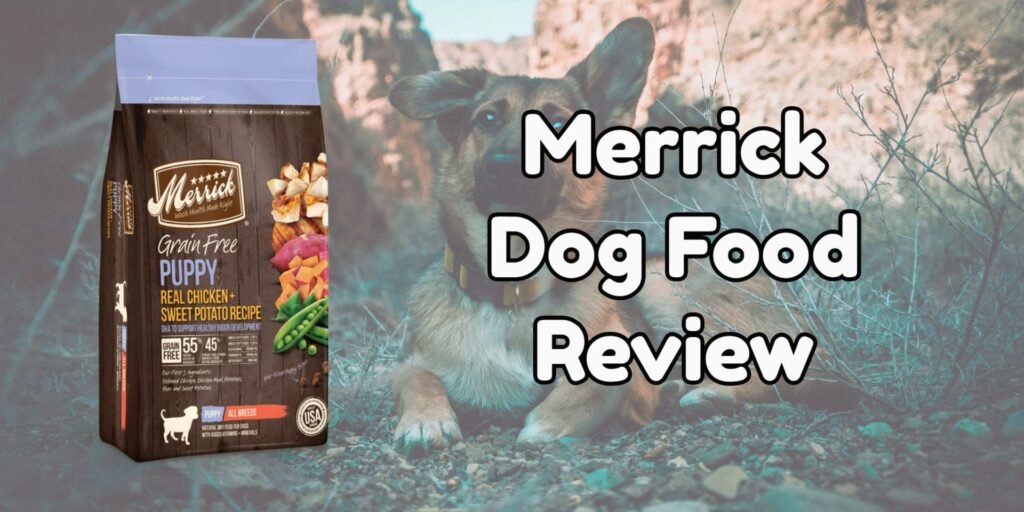
Merrick Dog Food Review: Ingredients, Pros, Cons, and Which Recipes May Fit Your Dog
Merrick can be a reasonable dog food option for many dogs, but the best choice depends on the specific recipe, your dog’s age and size, ingredient sensitivities, and whether your veterinarian recommends a particular nutritional profile.
For dog owners in the United States, Merrick offers a broad range of dry and wet foods, including grain-inclusive, grain-free, limited-ingredient, puppy, senior, large-breed, and weight-management formulas. That variety is useful, but it also means a review of the brand as a whole cannot tell you whether every Merrick recipe is appropriate for your dog.
Our assessment focuses on the factors that matter most when comparing commercial dog food: the individual ingredient list, nutritional adequacy, life-stage suitability, recipe formulation, practical feeding considerations, and the limitations of customer reviews. Merrick has many positively reviewed formulas, but consumer experiences also show that dogs can respond differently to individual recipes and that formulas may change, so checking the current package label matters.
Merrick is a U.S.-market dog food brand offering multiple dry and wet food lines. Its portfolio includes traditional kibble, grain-inclusive recipes, grain-free recipes, limited-ingredient diets, puppy foods, senior formulas, large-breed foods, weight-management recipes, and other specialized options.
Because the recipes differ substantially, it is more accurate to evaluate Merrick food by formula than to label the entire brand simply as good or bad. A chicken-and-brown-rice recipe, for example, should not automatically be treated as nutritionally interchangeable with a grain-free recipe containing different protein and carbohydrate sources.
The practical question for a dog owner is therefore not only whether Merrick is a reputable brand, but whether the particular Merrick recipe matches the dog’s life stage, nutritional needs, ingredient tolerances, and veterinarian’s recommendations.
Source: labradortraininghq.com
Product variety
Merrick sells multiple recipe families, making it possible to choose among different protein sources, grain-inclusive and grain-free formulations, and life-stage options.
Recipe-specific evaluation
The ingredient list and nutritional information of the exact bag or can should be checked because formulations can differ and may be updated.
Individual suitability
A food that works well for one dog may cause poor appetite, soft stool, itching, or other problems in another dog.
Is Merrick a premium dog food?
Merrick is generally positioned in the premium segment of the U.S. pet food market, but the word premium does not have a single nutritional definition. A higher price or attractive ingredient list does not by itself prove that one food is superior for every dog.
A more useful comparison looks at whether the specific recipe provides complete and balanced nutrition for the intended life stage, whether the nutrient profile suits the dog, whether the dog tolerates it well, and whether the cost is sustainable for the owner.
Look beyond marketing
Terms such as natural, wholesome, premium, or real meat do not replace evaluation of the complete nutritional profile.
Consider the whole diet
Protein, fat, calories, vitamins, minerals, and feeding amounts all matter when assessing a dog food.
Merrick Dog Food Ingredients: What Should You Look For?
The ingredient list can help you understand what a Merrick recipe contains, but ingredients should not be judged individually without considering their nutritional role and the finished food. For example, the presence of grains does not automatically make a food inferior, and the absence of grains does not automatically make a food healthier.
Many Merrick recipes prominently feature named animal protein sources such as chicken, beef, lamb, or salmon. Some formulas also contain grains such as brown rice and other carbohydrate ingredients. The precise combination depends on the recipe, so owners should read the current label rather than relying on an older review or a product photograph.
For dogs with suspected food allergies, ingredient selection becomes particularly important. However, a pet owner should not assume that a limited-ingredient or single-protein label makes a food appropriate for a diagnosed allergy without checking every ingredient and discussing the diet with a veterinarian.
Source: chemobabe.com
Named animal proteins
Look at which animal proteins appear in the recipe and consider whether your dog has previously tolerated them.
Carbohydrate sources
Grains and other carbohydrate ingredients can provide energy and nutrients and should be evaluated in the context of the entire recipe.
Complete nutritional profile
Do not judge the food solely from the first few ingredients; the finished diet’s nutrient formulation and intended life stage also matter.
Current package information
Check the current ingredient panel because formulations and packaging can change over time.
Does Merrick use real meat?
Many Merrick recipes identify animal-derived ingredients such as deboned chicken, beef, lamb, or salmon in their ingredient lists. The exact protein source depends on the formula. A named meat ingredient can be useful information, but it should not be interpreted as proof that the recipe is automatically superior to every alternative.
Owners should also distinguish between an ingredient appearing in a recipe and the food’s overall nutritional adequacy. The complete formulation matters more than one marketing-friendly ingredient.
Check the exact recipe
Merrick offers numerous formulas, so the protein source and ingredient combination vary.
Merrick Healthy Grains vs. Grain-Free Dog Food
Merrick offers both grain-inclusive and grain-free options, which can make the choice confusing for owners. Grain-free is not automatically healthier, and there is generally no reason to remove grains from a dog’s diet unless there is a specific nutritional or medical reason to do so.
The FDA has investigated reports of canine dilated cardiomyopathy involving dogs eating certain diets, many of which were described as grain-free and containing substantial proportions of peas, lentils, other legume seeds, or potatoes. The investigation did not establish a simple cause-and-effect rule that every grain-free food causes heart disease, but it is one reason owners should avoid treating grain-free diets as inherently superior.
For many healthy dogs, a properly formulated grain-inclusive food can be a straightforward option. If your veterinarian has recommended a particular diet, follow that recommendation rather than choosing based solely on whether the food contains grains.
Source: topdogfoodbrands.com
Healthy grains
Grain-inclusive Merrick recipes can provide carbohydrate and other nutrients as part of a complete diet.
Grain-free is not automatically better
The absence of grains is not, by itself, evidence of better nutrition.
Medical exceptions
Dogs with a diagnosed food allergy or another condition may have different dietary requirements that should be determined with professional guidance.
Should you choose grain-free Merrick dog food?
For a healthy dog without a veterinarian-identified need to avoid grains, there is usually no nutritional reason to select a grain-free formula simply because it sounds more natural or premium. A grain-inclusive formula may be a sensible starting point when it provides complete and balanced nutrition and agrees with the individual dog.
If you are considering grain-free food because of itching, ear problems, digestive symptoms, or another suspected food sensitivity, speak with a veterinarian before using diet changes as a diagnostic test. Those symptoms can have many causes.
Choose based on need
Use the dog’s nutritional requirements and veterinary advice as the primary decision factors.
Do not confuse preference with necessity
A grain-free label is not automatically a health advantage.
Merrick Dog Food Pros and Cons
Merrick has several practical strengths, especially its wide selection of recipes and life-stage options. At the same time, the brand is not automatically the right choice for every dog. The main disadvantages are related to recipe variation, individual tolerance, cost, and the need to keep up with current formulations.
Customer reviews can provide useful signals about palatability and practical issues, but they should be interpreted cautiously. For example, current customer feedback on several Merrick products includes both positive reports of good acceptance and negative reports involving appetite, stool changes, ingredient concerns, or packaging quality. These experiences demonstrate individual variation rather than proving that the food causes the same outcome for all dogs.
Source: chewy.com
Pro: Broad selection
Merrick offers multiple recipe categories for different ages, sizes, dietary preferences, and feeding approaches.
Pro: Multiple protein options
Different recipes use different animal protein sources, giving owners more choices when selecting a food their dog tolerates.
Pro: Grain-inclusive choices
Owners who prefer foods containing grains have Merrick options rather than being limited to grain-free recipes.
Con: Recipes can change
A formula change can matter for dogs with ingredient sensitivities, so owners should inspect the current label even when buying a familiar product.
Con: Not every dog tolerates every recipe
Customer feedback includes reports of digestive upset, reduced appetite, and other individual reactions.
Con: Some formulas may cost more
Premium-positioned foods can be more expensive than basic alternatives, so long-term affordability should be part of the decision.
Current customer feedback is mixed but often favorable for individual Merrick recipes. For example, some Merrick Healthy Grains products have strong customer ratings on major U.S. pet retailers, with reviewers frequently discussing palatability, ingredients, digestion, and perceived quality.
At the same time, negative reviews should not be ignored. Some customers report that their dogs stopped eating a recipe, experienced digestive changes, or reacted to a formulation they believed had changed. These reports are useful warning signals for shoppers but are not controlled scientific evidence.
The most useful takeaway is that customer feedback can help identify practical issues to watch for, while nutritional suitability should be established from the current product information and, when necessary, veterinary guidance.
Useful signal
Reviews can reveal recurring concerns about palatability, stool quality, kibble size, packaging, and perceived formula changes.
Important limitation
Individual customer reports cannot establish that a recipe is universally safe, unsafe, effective, or ineffective.
Is Merrick Good for Puppies, Adults, and Senior Dogs?
Merrick makes formulas intended for different life stages, so the appropriate recipe depends on the dog’s age, size, growth requirements, and health status. Puppies generally require food formulated for growth rather than simply eating an adult maintenance recipe.
For adult dogs, select a formula intended for adult maintenance and adjust feeding amounts according to body condition, activity level, and the product’s feeding guidance. Senior dogs may benefit from a formula designed for older dogs, but age alone does not determine the best diet because senior dogs can have very different health needs.
Large-breed puppies deserve particular attention because excessive or poorly balanced nutrient intake during growth can contribute to orthopedic problems. If you have a rapidly growing large-breed puppy, discuss food selection and feeding amounts with your veterinarian.
Source: storage.googleapis.com
Puppies
Use a recipe specifically formulated for growth and follow feeding guidance appropriate to the puppy’s size and developmental stage.
Adult dogs
Choose an adult-maintenance formula and adjust portions based on body condition and activity.
Senior dogs
Consider age-specific nutrition while also accounting for medical conditions and changes in calorie or nutrient requirements.
Large breeds
Growing large-breed dogs may need specially formulated nutrition, making veterinary input particularly useful.
Is Merrick good for dogs with sensitive stomachs?
Some dogs may tolerate certain Merrick limited-ingredient or other simplified recipes well, and customer reviews include positive reports from owners of dogs with sensitive digestion. However, sensitive stomach is not a single diagnosis, and there is no guarantee that a particular Merrick formula will work for every dog.
If your dog develops persistent vomiting, diarrhea, weight loss, blood in the stool, poor appetite, or other concerning symptoms, do not rely on repeated food changes alone. A veterinarian should determine whether an underlying medical problem is responsible.
Start gradually
Introduce a new food over several days when practical instead of making an abrupt switch.
Monitor stool
Changes in stool consistency can provide an early indication that the new diet is not agreeing with the dog.
How to Choose the Right Merrick Recipe
The safest way to choose among Merrick recipes is to start with the dog’s nutritional requirement rather than the marketing label. Identify the life stage, approximate size, activity level, known ingredient sensitivities, and any veterinary dietary restrictions before comparing products.
Next, inspect the current package for the intended life stage and nutritional adequacy statement. Compare the ingredient list and guaranteed analysis between candidate recipes, then consider calories and feeding instructions. If two foods appear similar, your dog’s tolerance, body condition, stool quality, appetite, and long-term affordability can help break the tie.
Avoid changing foods repeatedly simply because a dog has one mildly abnormal stool after a transition. Diet changes themselves can affect digestion. A gradual transition gives the dog’s digestive system more time to adapt.
Source: labradortraininghq.com
Step 1: Identify the life stage
Decide whether your dog needs puppy, adult, senior, or another specifically formulated diet.
Read the current ingredient list, nutritional information, calorie information, and feeding directions.
Step 4: Transition gradually
Mix the new food with the old food and increase the new food progressively when your dog’s circumstances allow.
Step 5: Monitor the dog
Watch appetite, stool quality, body condition, energy, and any recurring signs of intolerance.
What should make you stop a food trial?
Stop treating the change as a routine food trial and contact a veterinarian if your dog develops significant or persistent vomiting, diarrhea, blood in the stool, marked lethargy, refusal to eat, breathing problems, facial swelling, or other potentially serious symptoms.
For a dog with a known allergy or chronic medical condition, do not experiment with multiple commercial foods without veterinary direction. A controlled elimination diet may be more appropriate than repeatedly switching between unrelated formulas.
Persistent symptoms
Ongoing gastrointestinal or skin symptoms deserve investigation rather than endless brand switching.
Possible allergic reaction
Acute facial swelling, difficulty breathing, collapse, or other severe signs require urgent veterinary attention.
Merrick deserves consideration if you want a broad selection of commercial dog foods and are willing to evaluate the individual recipe carefully. Its product range includes grain-inclusive and grain-free formulas as well as foods aimed at different life stages and dietary situations.
The strongest case for Merrick is its recipe variety and the availability of formulas that many dogs appear to find palatable. Current retailer feedback also shows substantial numbers of positive experiences with several recipes. However, individual reviews also demonstrate why a brand-wide recommendation has limits: some dogs do not tolerate particular formulas, and owners have reported concerns about ingredient changes or product consistency.
For most healthy dogs, the better question is whether a specific Merrick recipe provides appropriate complete nutrition and whether the dog maintains healthy weight, normal stool, good appetite, and overall well-being on it. If those factors are positive and the food fits your budget, Merrick can be a reasonable option.
Source: dogfoodguides.com
Best fit
Owners who want several recipe types and are comfortable comparing the current label of each formula.
Use more caution
Dogs with diagnosed medical conditions, confirmed food allergies, or complex dietary requirements may need a veterinarian-selected diet.
Main buying rule
Choose the specific recipe based on nutritional suitability rather than assuming every Merrick product has the same nutritional profile.
Who may want to consider Merrick?
Merrick may be worth considering for owners looking for grain-inclusive or grain-free options, different animal proteins, life-stage recipes, or limited-ingredient products. The range can make it easier to compare several approaches within one brand.
It may be less suitable as a casual choice for owners who need a therapeutic veterinary diet or who are trying to manage a confirmed allergy without carefully checking every ingredient. In those situations, nutritional precision matters more than brand variety.
Good starting point
Healthy dogs whose owners want to compare several conventional commercial recipe options.
Veterinary guidance preferred
Dogs with diagnosed disease, significant allergies, persistent digestive problems, or special nutritional requirements.
Frequently Asked Questions
Q
Is Merrick dog food good for dogs?
Merrick makes a range of complete commercial dog foods, and several recipes receive favorable customer feedback. Whether a particular Merrick food is good for your dog depends on the exact formula, life stage, health needs, ingredient tolerances, and how the individual dog responds to it.
Q
Is Merrick dog food made in the USA?
Merrick has a long history as a U.S. pet food brand, but country-of-manufacture and ingredient sourcing can vary by product and may change. Check the current packaging and manufacturer information for the exact recipe you are buying rather than applying one manufacturing statement to every Merrick product.
Q
Is Merrick grain-free dog food safe?
Grain-free food is not automatically unsafe, but it also is not automatically healthier. The FDA has investigated reports of canine dilated cardiomyopathy involving certain diets, many of which were grain-free and contained substantial amounts of peas, lentils, other legumes, or potatoes. If you are considering a grain-free diet without a specific reason, discuss the choice with your veterinarian.
Q
Does Merrick make food for dogs with allergies?
Merrick offers limited-ingredient recipes that may be useful for some dogs, but a product marketed as limited ingredient should not be treated as a guaranteed treatment for a diagnosed food allergy. Dogs with confirmed allergies may require a carefully controlled elimination diet under veterinary supervision.
Q
Can I switch my dog to Merrick immediately?
A gradual transition is generally preferable because an abrupt diet change can cause digestive upset. Mix increasing amounts of the new food with decreasing amounts of the previous food over several days while monitoring appetite and stool. Dogs with sensitive digestion may need a slower transition.
Q
Which Merrick dog food is best?
There is no single Merrick recipe that is best for every dog. A suitable choice should match the dog’s life stage, size, activity level, medical requirements, ingredient tolerances, and calorie needs. For a healthy adult dog without special dietary restrictions, a complete and balanced adult formula that the dog tolerates well can be a sensible choice.
✦ Wrapping Up
Conclusion
This Merrick dog food review finds that the brand offers a substantial range of options, but the individual recipe matters more than the Merrick name alone. Grain-inclusive, grain-free, limited-ingredient, puppy, senior, large-breed, and weight-management foods can have meaningfully different nutritional profiles.
Merrick can be a reasonable choice for many healthy dogs when the selected recipe is nutritionally appropriate, the dog tolerates it well, and the food fits the owner’s budget. At the same time, customer reports of digestive changes, appetite differences, and concerns about formula changes are reminders to check the current label and monitor your own dog rather than relying entirely on an old review.
For dogs with chronic illness, confirmed allergies, persistent digestive symptoms, or other special nutritional needs, veterinary guidance should take priority over brand comparisons.
💡 Key Takeaway
Before buying Merrick, choose the exact recipe first, verify that it matches your dog’s life stage and nutritional needs, read the current ingredient and nutrition information, transition gradually, and monitor your dog’s appetite, stool, weight, and overall condition.
James Walker is a dog care and nutrition expert with over 10 years of hands-on experience in canine care, nutrition, grooming, and everyday pet wellness. He researches and reviews dog food, treats, supplements, grooming products, and essential pet-care solutions to help dog owners make informed decisions. At MyCuddlyPets.com, James shares practical, honest, and easy-to-follow advice to help dog owners better understand their pets’ needs and provide them with a happy, healthy, and comfortable life.