
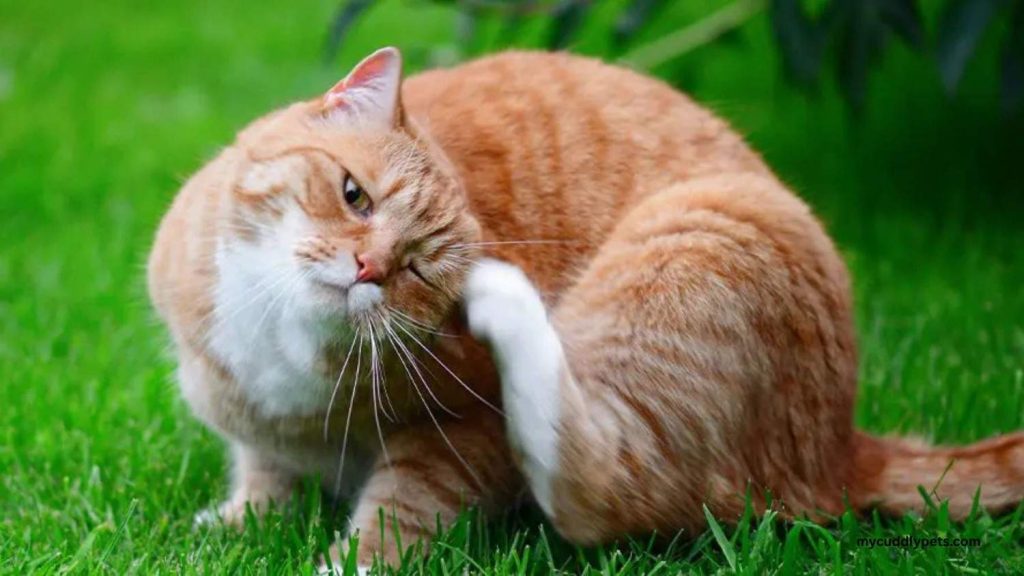
Watching your furry friend scratch nonstop is heartbreaking. I know the feeling well. My own cat started over-grooming her belly until it was bald. I felt helpless. I just wanted to find the best allergy medicine for cat allergies to give her some peace.
You are not alone in this battle. Cat allergies are more common than you think. They can turn a happy kitty into a miserable, itchy mess. But there is good news. There are safe and effective ways to help.
In this guide, we will explore the top treatments. We will look at pills, shots, and even food. We will find the right fix for your feline friend. Let’s get your cat feeling great again.
Understanding Cat Allergies and the Need for Effective Medication
Allergies in cats happen when their immune system gets confused. It attacks things that are usually harmless. This could be pollen, flea bites, or even their dinner.
The result is inflammation. Your cat feels itchy and uncomfortable. They might chew their paws or rub their face on the carpet. It is tough to watch.
Finding the right medicine is key. Untreated allergies can lead to nasty skin infections. Constant scratching breaks the skin. This lets bacteria in.
Medication stops the itch cycle. It gives the skin time to heal. It also improves your cat’s mood. No one likes being itchy all day. A comfortable cat is a happy cat.
Types of Allergy Medications for Cats: A Comprehensive Guide
There is no “one size fits all” pill. Vets use a few different tools to fight the itch. Here is a breakdown of the main types.
Antihistamines
You probably take these for hay fever. They work for cats, too. They block histamine, a chemical that causes itching. They are safe for long-term use. However, they don’t work for every cat. They are best for mild cases.
Decongestants
These are tricky. They clear up stuffy noses. But you must be careful. Many human decongestants are toxic to cats. Never guess with these. Only use what your vet gives you.
Corticosteroids
These are the heavy hitters. Drugs like prednisolone stop inflammation fast. The itch usually vanishes quickly. But they have side effects. They can make your cat thirsty and hungry. Long-term use can cause health issues like diabetes. Vets use them for severe flare-ups.
Immunotherapy (Allergy Shots)
This is the gold standard for long-term relief. It works like a vaccine. The vet tests your cat to find the trigger. Then, they make a custom serum. You give your cat tiny doses of the allergen. Over time, their body learns to ignore it. It takes time, but it is very safe.
Top Over-the-Counter Allergy Medications for Cats
Sometimes you need a quick fix. Several human medications can help cats. Always ask your vet before dosing. Here are the most common ones.
Zyrtec (Cetirizine)
This is often the top choice for vets. It works well for skin allergies. It has fewer side effects than others.

- The Dose: Usually 5mg per cat (half a tablet).
- The Schedule: Given once a day.
- Watch Out: Buy the plain version. No “D” (decongestant) versions.
Claritin (Loratadine)
This is another safe option. It is good for sniffles and mild skin itch. It causes less drowsiness than Benadryl.
- The Dose: Typically 2.5mg to 5mg per cat.
- The Schedule: Given once a day.
- Watch Out: Avoid “Rapid Dissolve” tablets. They may contain xylitol, which is toxic.
Benadryl (Diphenhydramine)
This is the classic allergy pill. It is safe, but it makes cats sleepy. Some cats also foam at the mouth because it tastes bitter.
- The Dose: roughly 1mg per pound of body weight.
- The Schedule: Given twice a day.
- Watch Out: It might make your cat hyper instead of sleepy.
Chlor-Trimeton (Chlorpheniramine)
This is an older drug. It can be very effective for cats. But it has a bitter taste.
- The Dose: usually 2mg per cat.
- The Schedule: Given twice a day.
- Watch Out: Can cause sedation or urine retention.
Prescription Allergy Medications for Cats: When to Consult Your Vet
OTC meds don’t always cut it. If your cat is tearing out their fur, you need stronger help. This is where prescription drugs come in.
Atopica (Cyclosporine)
This is a game-changer for many. It suppresses the immune system just enough to stop the itch. It is FDA-approved for cats. It comes in a liquid form, which can be easier to give. It takes a few weeks to kick in.
Apoquel (Oclacitinib)
This is famous in the dog world. My bully mix thrived on it. It is not officially approved for cats yet. However, some vets use it “off-label.” It works fast to stop the itch signal. Safety studies for cats are still ongoing.
When to Call the Pro
Do not play pharmacist at home. If your cat has open sores, go to the vet. If they are losing weight, go to the vet. You need a proper diagnosis first. It might be ringworm or mites, not allergies. Treating the wrong thing wastes time and money.
Natural Remedies and Supplements for Managing Cat Allergies
I love natural options. They can boost your cat’s health alongside meds. They are great for maintenance.
Omega-3 Fatty Acids
Fish oil is amazing. It helps reduce inflammation in the skin. It also makes their coat shiny. I use it for my ageing dog’s joints, too. For cats, it strengthens the skin barrier. This keeps allergens out. Look for wild-caught salmon or bacteria-free algae oil.
Probiotics
Gut health is immune health. A huge part of the immune system lives in the gut. Probiotics balance the good bacteria. This can help calm an overactive immune system. It is great for cats with food sensitivities.
Herbal Remedies
Nature has its own medicine cabinet. Quercetin is often called “Nature’s Benadryl.” It is a plant pigment found in apples and dark berries. It helps stabilize cells that release histamine. Stinging nettle is another herb that fights inflammation. Always buy pet-safe formulations.
Creating an Allergy-Free Environment for Your Cat
Meds are only half the battle. You need to stop the triggers. A clean home is a happy home for an allergic cat.
Regular Cleaning
Dust mites are a huge enemy. They live in carpets and bedding. Vacuum at least twice a week. Wash your cat’s bedding in hot water weekly. This kills the mites.
Air Purifiers
These are worth the investment. Get one with a HEPA filter. It traps pollen, mould spores, and dust. Put it in the room where your cat sleeps. It helps everyone breathe easier.
Bathing Your Cat
I know. Cats hate water. But rinsing them off helps. It washes away pollen from their fur. You don’t need shampoo every time. A warm water rinse works. Or, use a damp cloth to wipe them down daily. Focus on their paws and belly.
Identifying and Avoiding Common Cat Allergens
Knowing the enemy helps you fight it. The three big triggers are fleas, environment, and food.
Food Allergies
This is more common than you think. It is usually the protein. Chicken, beef, and fish are top culprits. To fix this, try an elimination diet. You feed a special food for 8 to 12 weeks. No treats. No human food. I had to do this for my dog. We switched to a novel protein. It made a world of difference.
For cats, look for hydrolyzed protein diets. Brands like Royal Canin Veterinary Diet are excellent. They break the protein down so small that the body ignores it. Blue Buffalo Wilderness also offers grain-free, novel protein options like duck or rabbit on Amazon.
Environmental Allergens
Pollen is a pain. Keep windows closed on high pollen days. Wipe your shoes before coming inside. You can track pollen on your feet. Mould loves damp spots. Check your basement and bathroom. Use a dehumidifier to keep the air dry.
Household Products
Your cleaning spray might be the issue. Cats are sensitive to chemicals. Switch to pet-safe cleaners. Avoid strong air fresheners or incense. Unscented litter is also a must. Perfumed litter can irritate their skin and lungs.
Lifestyle Adjustments to Help Your Cat Manage Allergies
Small changes add up. A healthy lifestyle boosts the immune system.
Stress Reduction
Stress makes itching worse. A bored cat will over-groom. Give them plenty of toys. Cat trees are great for exercise. I use pheromone diffusers to keep my multi-pet home calm. It helps everyone get along.
Proper Diet
Food is fuel. High-quality food builds strong skin. Avoid cheap fillers like corn and wheat. They don’t cause allergies often, but they don’t help either.
Look for foods rich in Omega-6s. Hill’s Science Diet Sensitive Stomach & Skin is a top seller on Amazon for a reason. It supports the skin barrier from the inside out. My friend swears by it for her tabby.
Regular Exercise
Playtime is therapy. It distracts them from itching. It also keeps their weight down. Obesity makes inflammation worse. A laser pointer or feather wand works wonders. Five minutes a day helps.
When to Seek Veterinary Care for Your Cat’s Allergies
You can’t fix everything at home. Sometimes you need a pro.
Signs of Trouble
Watch for these red flags:
- Open, bleeding sores.
- Ear infections (shaking head, bad smell).
- Lethargy or hiding.
- Loss of appetite.
The Importance of Diagnosis
It might not be allergies. Mange, ringworm, and thyroid issues look similar. A vet can do skin scrapings. They can do blood tests. Getting the right diagnosis saves pain.
Talking to Your Vet
Be ready with notes. Tell them when the itching started. Did you change food? Did you use new litter? Be honest about what you feed. Even that tiny piece of cheese matters.
Conclusion: Finding the Best Allergy Relief for Your Cat
Seeing your cat comfortable again is the best feeling. It takes patience. It takes some trial and error. But you can do it.
Start with the basics. Check for fleas. Clean your home. Look at their diet. If they are still itchy, ask your vet about meds. Whether it is a daily pill or a monthly shot, relief is out there. Your cat gives you so much love. They deserve to feel good in their own skin. Don’t wait. Start their journey to relief today.
FAQs
What can I give my cat for severe allergies?
For severe cases, see a vet. They will likely prescribe corticosteroids (steroids) or Atopica (cyclosporine). These are stronger than OTC meds.
Can I give my cat Benadryl for itching?
Yes, but ask your vet first. The usual dose is 1mg per pound of body weight. Make sure it contains only diphenhydramine.
How do I know if my cat has a food allergy?
The main sign is itching around the head and neck. They might also vomit. The only way to know for sure is an 8-week elimination diet trial.
Is there a non-drowsy allergy medicine for cats?
Zyrtec (cetirizine) and Claritin (loratadine) are less sedating than Benadryl. They are popular choices for daily relief.