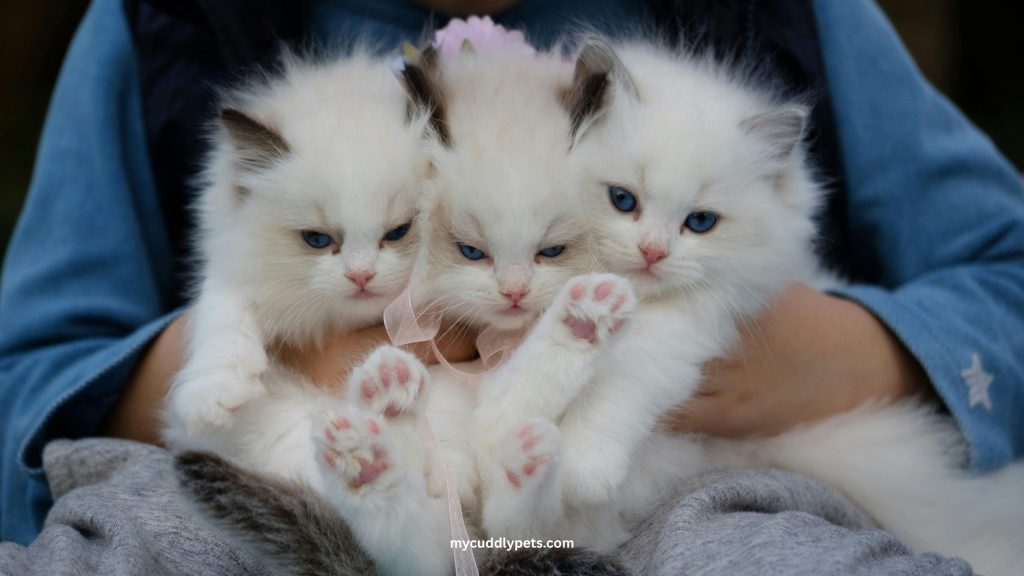
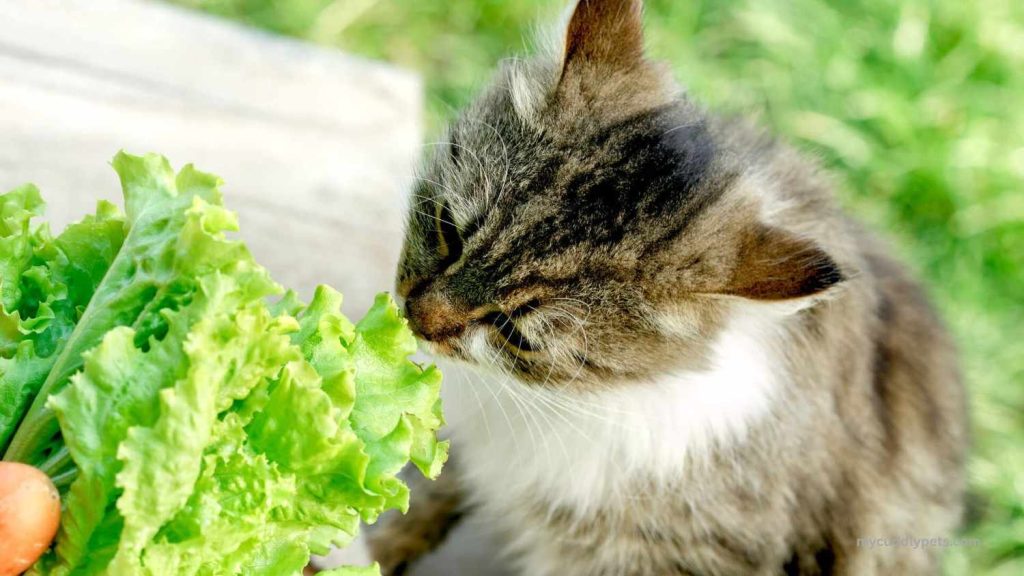
I remember the first time I tried to share a snack with my cat, Luna. I was eating a salad, and she looked up at me with big, curious eyes. I offered her a piece of spinach. She sniffed it, gave me a look of pure confusion, and walked away. But the moment I opened a can of tuna? She was weaving between my legs in seconds.
It made me wonder: are cats carnivores through and through, or just picky eaters? As a cat owner and researcher, I’ve dug deep into this topic. Understanding your cat’s diet isn’t just about what they like. It is about their survival. In this guide, we will explore the feline carnivore diet, why they need meat, and the science behind it.
Are Cats Obligate Carnivores or Omnivores?
The short answer is simple. Yes, cats are obligate carnivores. But what does that actually mean?
You might hear people ask, are cats obligate carnivores or omnivores? It is a fair question. After all, dogs are omnivores. Dogs can survive on a mix of meat and plants. Humans can too. Cats are different.
An “obligate carnivore” is an animal that must eat meat to live. It is a biological necessity. Their bodies are built to process animal protein. They cannot get the nutrients they need from plants alone.
If you look at the why do cats need to eat meat question, the answer lies in their biology. They need specific nutrients found only in animal tissue. Without these, they get sick. It is not a lifestyle choice for them. It is how nature built them.
Evolutionary Background of Feline Diet
To understand your house cat, look at their ancestors.
Domestic cats share a lineage with wild hunters. Lions, tigers, and bobcats are all obligate carnivores. Your fluffy friend on the couch is not so different.
The Hunter’s Body
Evolution has shaped every part of a cat.
First, look at their teeth. Carnassial teeth cats possess are sharp and jagged. They act like scissors. They are made to shear meat off the bone. They are not flat like human teeth, which are made for grinding grains or plants.
Next, consider their gut. A short digestive tract cats have is designed for speed. Meat is easy to digest. It breaks down fast. Plants take a long time to break down. Cows have huge stomachs for this reason. Cats do not.
Instincts Remain
Even their behavior is a clue.
Have you seen your cat pounce on a toy? That is the predator instinct. Their bodies crave the hunt. This drive is linked to their feline protein requirements. They are wired to seek out high-protein prey.
Essential Nutrients Cats Get From Meat
You might wonder if supplements can replace meat.
They usually cannot.
Nature is complex. Meat provides a perfect package of nutrients. Recreating this in a lab is hard. Let’s look at the specific things cats need from animal sources.
Protein and Amino Acids
Protein is the building block of life.
For cats, it is also their main energy source. Humans can use carbs for energy. Cats use protein. But it goes deeper than just energy.
The Taurine Factor
This is the big one.
Do domestic cats need taurine from meat? Absolutely.
Taurine is an amino acid. Most mammals, like dogs and humans, can make their own taurine. Our bodies create it from other nutrients.
Cats cannot do this.
They lack the enzyme to make taurine. They must eat it ready-made. And where is taurine found? It is found in animal muscle meat, heart, and liver. It is almost non-existent in plants.
Without taurine, cats face blindness. They can develop heart disease. It is critical for their health.
Arginine is Key
Arginine is another amino acid. It removes ammonia from the body. Without arginine, ammonia builds up in a cat’s blood. This can be toxic very quickly. Meat is the best source of arginine.
Fats and Fat-Soluble Vitamins
Fat is not the enemy here. For cats, fat is good. It gives them energy. It also helps them absorb vitamins.
The Arachidonic Acid Need
This is a fatty acid. Like taurine, dogs can make this inside their bodies. Cats cannot. They must eat it. It helps with inflammation regulation. It helps with kidney function. It keeps their skin healthy.
You find this acid in animal fats. It is not in plants.
Vitamins and Minerals
Vitamins are vital. But the source matters.
Vitamin A
You eat carrots for Vitamin A, right? That is beta-carotene. Your body turns beta-carotene into Vitamin A.
Cats cannot do this conversion. They lack the enzyme.
They need pre-formed Vitamin A. This is found in liver and fish oils. If they eat carrots, they get no Vitamin A benefit. This is a classic example of cat nutritional needs.
Vitamin B12
This vitamin is crucial. It helps the nervous system. It helps the immune system.
Vitamin B12 is only found naturally in animal products. Plants do not have it. A meat-based cat diet ensures they get enough.
Iron and Zinc
Plants have iron. But it is hard to absorb. The iron in meat is called “heme iron.” It is easy for a cat’s body to use. The same goes for zinc. Meat sources are simply better for them.
What Happens If Cats Eat Plant-Based Diets?
So, what if you try a vegan diet for your cat? It is a risky game.
The Carb Problem
First, look at carbohydrates. Plants are full of carbs. What happens if cats eat too many carbs? Their bodies struggle. They do not produce much amylase. That is the enzyme that breaks down sugar.
Too many carbs can lead to obesity. It can lead to diabetes. Their pancreas has to work overtime.
The Deficiency Trap
Then there are the missing nutrients. Can cats survive without meat? Not for long. Not healthily.
A plant-based diet lacks taurine. It lacks Vitamin A. It lacks arachidonic acid.
You might see “vegan cat food” with synthetic additives. But these are hard to get right. The absorption rates are different. The pH balance of their urine can change. This can cause painful bladder stones.
A cat on a plant diet may suffer. Their coat will get dull. They will lose muscle. They may go blind. Their heart muscle can weaken. It is not worth the risk.
Best Diets for Carnivorous Cats
We know meat is a must.
But what is the best diet for carnivorous cats? You have a few options.
Commercial Cat Food
This is the easiest route.
Look for “complete and balanced” labels. Check the ingredients. The first item should be meat. Chicken, beef, or turkey. Avoid foods where “corn” or “wheat” is first.
High-protein wet food is often best. It has water in it. Cats have a low thirst drive. They get water from their prey in the wild. Wet food mimics this.
Raw Diets
Some owners swear by raw food. This mimics a wild diet. It is pure meat, bone, and organs. However, be careful. Bacteria like Salmonella can be a risk. You also need to balance it perfectly. Just giving a cat a chicken breast is not enough. They need calcium from bone. They need vitamins from organs. If you go raw, talk to a vet.
My Experience with Cat
I switched Luna to a high-protein diet years ago. Before that, she ate dry kibble. Her coat was okay, but a bit flaky. She slept a lot. I moved her to a grain-free wet food. The change was real. Her coat became like silk. She had more energy to play. She stopped begging for food constantly because the protein kept her full.
It proved to me that feeding them what they are built for works.
FAQs About Cats and Carnivorous Diets
Q1: Are cats obligate carnivores?
Yes. They must eat animal protein to survive. Their bodies cannot process plants for all nutrients.
Q2: Can cats survive without meat?
No. They will develop severe deficiencies. They may survive for a short time, but they will get very sick.
Q3: Why do cats need taurine from meat?
They cannot make it in their own bodies. They need it for heart health and vision. It is found in animal tissue.
Q4: What happens if cats eat too many carbs?
They can get obese. They are at higher risk of diabetes. Their digestive systems cannot handle large amounts of carbs.
Q5: Are plant-based diets safe for cats?
Generally, no. They are very difficult to balance. They pose high health risks for cats.
Q6: How can I ensure my cat gets all essential nutrients?
Feed a high-quality commercial cat food. Ensure meat is the main ingredient. Consult your vet for advice.
Conclusion
Nature is clear. Cats are hunters. They are obligate carnivores by design. From their sharp teeth to their short guts, they are built for meat. It is easy to humanize our pets. We want them to share our lifestyle. But when it comes to diet, we must respect their biology. Feeding them meat is not just a choice. It is a requirement for their health. Pay attention to your cat. Look at their coat. Watch their energy levels. If you are unsure about their food, ask your vet. They can help you plan a diet that honors your little predator’s needs.
Your cat gives you love and companionship. The best way to pay them back is to feed them a diet that helps them thrive.

Hi, I’m a lifelong pet lover and the person behind MyCuddlyPets.com. I’ve spent over 5 years caring for cats, dogs, and even birds, so I know how tricky (and fun!) pet parenting can be. I started this site to share everything I’ve learned from honest product reviews and helpful tips to heartwarming pet stories, so you can give your furry friends the best life possible. So, let’s make pet parenting easier and more fun — one cuddle at a time!