
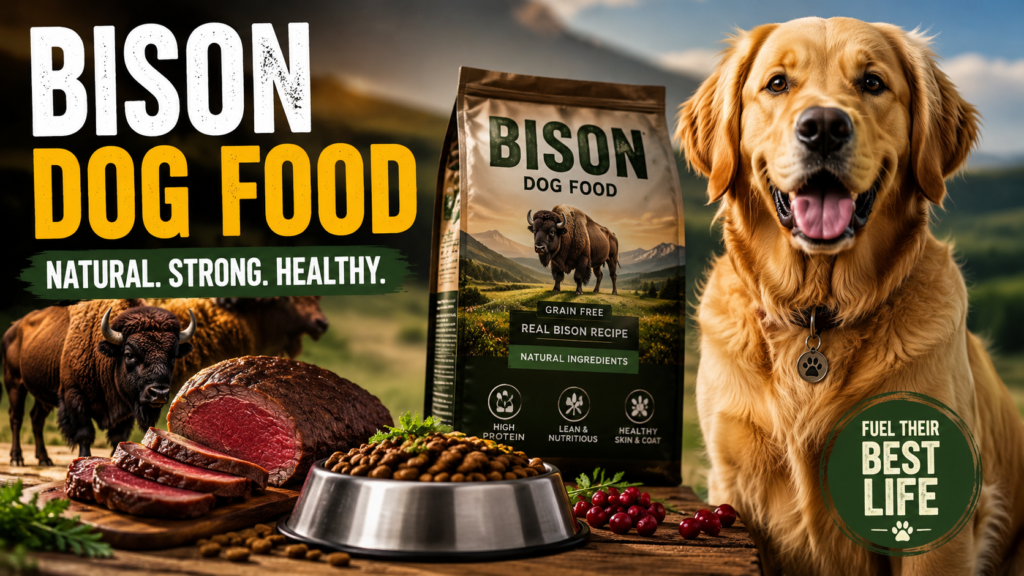
Quick Answer: Bison dog food is a protein-rich dog food made from bison meat or bison meal. It’s often used as a novel protein for dogs with chicken or beef allergies, and it offers lean protein, healthy fats, and key nutrients like iron and zinc.
My name is Michael Hayes. I’ve spent years working hands-on with dogs on elimination diets, trying to figure out what’s really behind their itchy skin or upset stomach. Bison dog food comes up a lot in those conversations. It’s not flashy, but it solves a real problem for a lot of dogs. Let’s break down what it actually is, and whether it makes sense for yours.
What Is Bison Dog Food?
Bison dog food is any dog food formula that uses bison as its primary protein source, instead of the more common chicken, beef, or fish. You’ll usually find it in dry kibble, wet food, and freeze-dried formats.
How Bison Dog Food Is Made
Most bison dog foods start with either fresh bison meat or bison meal. The meat is cooked down and combined with carbohydrates, fats, vitamins, and minerals to create a balanced formula. Bison meal is simply bison meat that has already been rendered, which concentrates the protein.
Bison Meat vs. Bison Meal
Fresh bison meat contains more water weight, so it looks higher on the ingredient list even though it contributes less protein once cooked down. Bison meal is more calorie-dense per pound of protein. Neither one is automatically “better” — it depends on the full recipe.
Why Bison Dog Food Matters for Some Dogs
A Novel Protein for Allergy-Prone Dogs
Most commercial dog foods use chicken or beef. Over time, some dogs develop sensitivities to whatever protein they eat most often. Bison is considered a “novel protein” for most dogs, meaning their immune system hasn’t been repeatedly exposed to it. That’s why vets often suggest it during an elimination diet trial. According to the American Veterinary Medical Association, identifying and removing trigger ingredients is a key step in managing suspected food allergies.
Nutrient Profile of Bison
Bison is naturally lean, with less fat than beef but a similar protein punch. It’s also a solid source of iron, zinc, and B vitamins, which support energy levels and a healthy coat.
Bison Dog Food vs. Beef Dog Food: What’s the Difference?
| Factor | Bison Dog Food | Beef Dog Food |
|---|---|---|
| Typical Protein % | 24–32% | 22–30% |
| Typical Fat % | 10–16% | 12–18% |
| Allergy Risk | Low (novel protein for most dogs) | Higher (common trigger ingredient) |
| Best For | Dogs with suspected food sensitivities | Dogs with no known protein sensitivities |
How to Switch Your Dog to Bison Dog Food (Step-by-Step)
- Day 1–2: Mix 25% bison food with 75% current food.
- Day 3–4: Move to a 50/50 mix.
- Day 5–6: Shift to 75% bison food, 25% old food.
- Day 7: Feed 100% bison dog food.
- Watch stool consistency and appetite throughout the switch, and slow the pace down if you notice loose stools.
Common Problems and Fixes
| Symptom | Likely Cause | Fix |
|---|---|---|
| Loose stool after switching | Transitioned too quickly | Slow the transition over 10–14 days instead of 7 |
| Dog refuses to eat it | Strong smell or texture change | Mix in a small amount of warm water or a topper temporarily |
| No improvement in itching | Allergy may not be protein-related | Talk to your vet about other possible triggers (grains, environment) |
| Weight gain | Overfeeding relative to activity level | Recalculate portions based on the food’s calorie density |
Common Mistakes Owners Make
- Switching foods cold turkey instead of gradually
- Assuming bison automatically fixes all allergies without ruling out other triggers
- Not checking the full ingredient list for hidden chicken or beef by-products
- Feeding treats with other proteins during an elimination trial, which defeats the purpose
Pro Tips for Feeding Bison Dog Food
- Check whether the formula is grain-free or grain-inclusive based on your dog’s needs, not just trend
- Look for a formula matched to your dog’s life stage (puppy, adult, senior)
- If you’re testing for allergies, commit to at least 8 weeks before judging results
- Store kibble in a sealed, airtight container to keep the fat content from going rancid
Who Should Consider Bison Dog Food?
Sensitive Stomachs and Allergies
Dogs with chronic ear infections, itchy paws, or recurring digestive upset are often good candidates for a novel protein trial like bison.
Large Breeds and Active Dogs
The dense protein and moderate fat content can suit working or highly active dogs who need sustained energy.
Puppies and Senior Dogs
Make sure any bison formula is labeled for the correct life stage — puppies and seniors have different calorie and calcium needs than adult dogs. The American Kennel Club recommends matching food formulation to your dog’s specific life stage for proper growth and aging support.
FAQ Section
Is bison dog food good for dogs with allergies?
Yes, for many dogs. Since bison isn’t in most everyday dog foods, it’s less likely to trigger a reaction in dogs sensitive to chicken or beef.
Is bison dog food better than beef dog food?
Not universally better — it depends on your dog. Bison tends to be leaner, but beef is fine for dogs without a beef sensitivity.
How long does it take to see results from switching to bison dog food?
If you’re testing for a food allergy, plan for at least 8 weeks on the new diet before evaluating symptoms.
Can puppies eat bison dog food?
Yes, as long as it’s a formula specifically labeled for puppy growth and nutrient needs.
Is bison dog food grain-free?
It depends on the specific product. Bison is the protein source; grain content is a separate formulation choice, so check the label.
Does bison dog food smell different than regular dog food?
Some dogs and owners notice a slightly different, gamier smell compared to chicken-based foods. This is normal.
Should I ask my vet before switching to bison dog food?
Yes, especially if you’re trying to identify a food allergy. Your vet can help you structure a proper elimination trial. For general food safety guidance, the PetMD nutrition resource is also a helpful reference point.
Conclusion
Bison dog food isn’t a magic fix, but it’s a genuinely useful tool for dogs who need a break from the usual chicken- or beef-based diets. If your dog has been dealing with unexplained itching, ear infections, or stomach trouble, it’s worth a conversation with your vet about whether a novel protein trial makes sense. Take it slow with the transition, and give it time to actually work.
