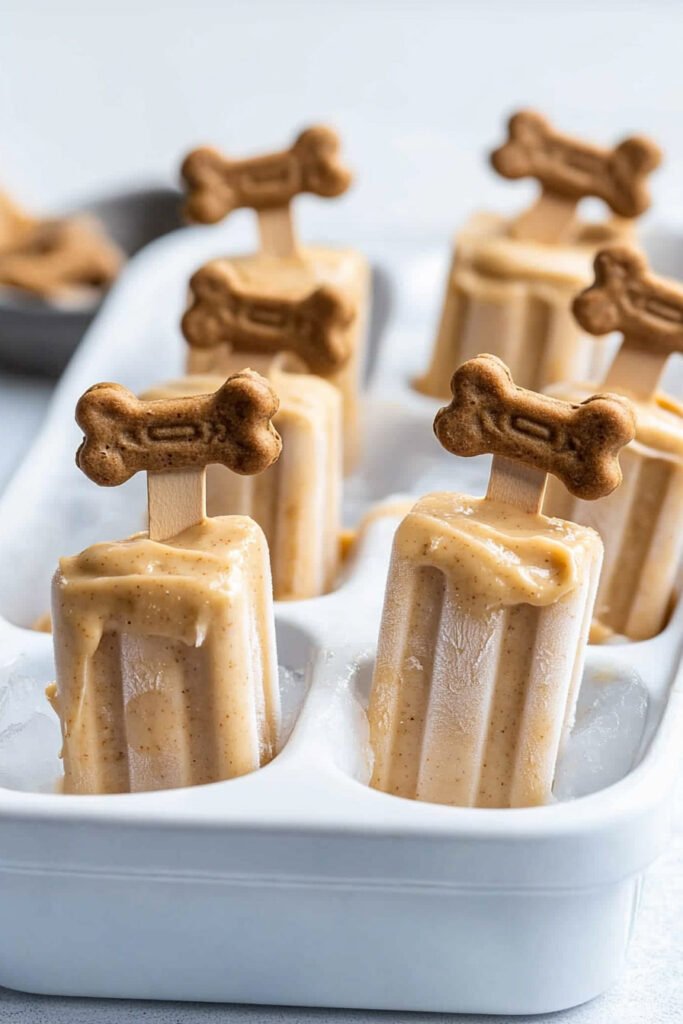
Dog Popsicle Recipes: 7 Easy Homemade Frozen Treats for Dogs
Dog popsicles are easy to make at home using small amounts of dog-safe ingredients such as banana, strawberries, blueberries, watermelon, plain yogurt, pumpkin, or xylitol-free peanut butter. Freeze the mixture in small molds or ice cube trays and serve it as an occasional treat.
For dog owners across the United States, homemade popsicles can be a simple way to give a dog a cool treat during a hot summer afternoon. The safest approach is to use plain, minimally processed ingredients and check every packaged ingredient for potentially harmful additives.
Veterinary guidance supports using ingredients such as certain berries, banana, watermelon, pumpkin, and plain yogurt in appropriate amounts, while emphasizing moderation. Dogs vary in their tolerance of dairy and rich foods, so a homemade popsicle should complement a complete and balanced diet rather than replace it.
These recipes are designed as general treat ideas, not individualized veterinary diets. Avoid xylitol, grapes, raisins, chocolate, macadamia nuts, onions, garlic, and other ingredients known to be unsafe for dogs. If your dog has diabetes, pancreatitis, food allergies, a sensitive stomach, or another medical condition, ask your veterinarian before introducing new treats.
Dog popsicles, sometimes called pupsicles, are frozen treats made specifically from ingredients that are suitable for dogs. Unlike many human popsicles, they generally contain little or no added sugar and should not contain artificial sweeteners or other unsafe ingredients.
The basic method is simple: choose a dog-safe liquid or soft ingredient, combine it with one or two suitable additions, place the mixture in a freezer-safe mold, and freeze until solid. Small silicone molds and ice cube trays work particularly well because they make portion sizes easier to manage.
A homemade popsicle is still a treat. Even nutritious ingredients can contribute extra calories when served in large quantities, so the portion should be appropriate for your dog’s size, diet, and overall health.
Source: theflavorbender.com
Simple base
Use water, plain yogurt that your dog tolerates, mashed banana, unsweetened pumpkin puree, or another veterinarian-appropriate base.
Dog-safe additions
Small amounts of blueberries, strawberries, seedless watermelon, banana, or xylitol-free peanut butter can add flavor.
Small portions
Use mini molds or ice cube trays for smaller dogs and dogs that need careful calorie control.
Why Make Homemade Popsicles for Dogs?
Homemade treats give you direct control over the ingredients. That is useful when commercial frozen treats contain added sugar, excessive fat, dairy, or sweeteners that may not agree with your dog.
Making popsicles yourself also lets you adjust the recipe for size and preference. A large dog may handle a larger treat than a toy breed, while a dog with a sensitive stomach may need a very simple recipe containing only one or two familiar ingredients.
Ingredient control
You can avoid unnecessary sugar, salt, flavorings, and other ingredients that are not appropriate for your dog.
Portion control
Small molds make it easier to provide a measured occasional treat.
7 Easy Dog Popsicle Recipes
The recipes below use simple ingredients that are commonly suitable for dogs when prepared correctly. Introduce a new recipe in a small amount first, particularly if your dog has not eaten one of the ingredients before.
For every recipe, remove seeds, pits, stems, rinds, or other parts that can create a toxicity, choking, or digestive problem. Do not add sugar, chocolate, salt, artificial sweeteners, or seasoning.
Source: spoiledhounds.com
Recipe 1: Banana and Yogurt Popsicles
Mash one ripe banana with about 1 cup of plain unsweetened yogurt that contains no xylitol. Spoon the mixture into small molds and freeze until firm. If your dog does not tolerate dairy, skip this recipe or use a suitable alternative recommended by your veterinarian.
Recipe 2: Peanut Butter Banana Popsicles
Blend one ripe banana with 1 to 2 tablespoons of unsalted, xylitol-free peanut butter and enough water to create a spoonable mixture. Portion into small molds and freeze. Always check the peanut butter label before using it.
Recipe 3: Strawberry Yogurt Popsicles
Finely chop or puree about 1/2 cup of strawberries and combine them with 1 cup of plain unsweetened yogurt without xylitol. Freeze in small molds until solid. Remove the green tops before blending.
Recipe 4: Blueberry Banana Popsicles
Blend one ripe banana with 1/2 cup of blueberries and a small amount of water. Pour into molds and freeze. This recipe does not require dairy, making it useful for dogs that do not tolerate yogurt.
Recipe 5: Watermelon Popsicles
Puree seedless watermelon and pour it into small silicone molds. Freeze until firm. Remove seeds and rind before blending, and serve only a small portion because watermelon still contributes natural sugar.
Recipe 6: Pumpkin Popsicles
Mix plain unsweetened pumpkin puree with a small amount of water or plain yogurt that your dog tolerates. Spoon the mixture into molds and freeze. Use pure pumpkin rather than sweetened pie filling.
Recipe 7: Two-Ingredient Berry Popsicles
Blend equal amounts of dog-safe berries such as strawberries and blueberries with water. Pour into small molds and freeze. This is one of the simplest dairy-free options.
Place one ripe banana and approximately 1 cup of plain, unsweetened yogurt in a blender or food processor. Blend until smooth. If the mixture is too thick, add a small amount of water.
Pour the mixture into small silicone molds or an ice cube tray. Freeze for several hours until solid. Remove one portion at a time and allow it to soften slightly before serving if it is extremely hard.
Confirm that the yogurt contains no xylitol and no added chocolate, raisins, or other unsafe ingredients.
How to Make Peanut Butter Banana Popsicles
Mash or blend one ripe banana with 1 to 2 tablespoons of unsalted peanut butter that contains no xylitol. Add a little water if needed to make the mixture easy to pour.
Divide the mixture among small molds and freeze until firm. Because peanut butter is calorie-dense and relatively high in fat, keep portions modest.
Use the right peanut butter
Read the ingredient list every time you buy a new jar and avoid products containing xylitol or birch sugar.
Keep portions small
A peanut butter popsicle should be an occasional treat rather than a large daily snack.
How to Make Dog Popsicles Step by Step
The easiest method is to blend or mash the ingredients, portion the mixture into a small freezer-safe mold, and freeze it until solid. The key is not the equipment but careful ingredient selection and appropriate serving size.
If you are preparing treats for several dogs, make sure every ingredient is suitable for all of them. One dog may tolerate dairy or a richer ingredient while another may develop digestive upset.
Source: k9ofmine.com
1. Choose familiar ingredients
Start with foods your dog has previously tolerated rather than introducing several unfamiliar foods at once.
2. Prepare the ingredients
Wash produce, remove unsafe seeds and pits, and use plain ingredients without added salt, sugar, seasoning, or sweeteners.
3. Blend or mash
Combine the ingredients until the texture is smooth enough to pour into the mold.
4. Portion the mixture
Fill small silicone molds or ice cube trays. Avoid oversized portions, particularly for small dogs.
5. Freeze completely
Place the molds on a level freezer surface and freeze until solid, generally for several hours.
6. Serve carefully
Remove the popsicle from the mold and supervise your dog while eating. Never give a wooden stick as a handle.
What If the Popsicle Is Too Hard?
A homemade frozen treat can become very hard in a household freezer. If your dog struggles to bite it, allow the treat to soften for a short time before serving. You can also make smaller treats in an ice cube tray so your dog does not have to work through a large frozen block.
Do not microwave a treat and serve it immediately while hot or partially overheated. A safer approach is to let it soften naturally at room temperature.
Use smaller molds
Small portions freeze and soften more conveniently and are easier to manage.
Supervise chewing
Watch your dog while eating any frozen treat, especially if your dog tends to gulp food.
Best Ingredients for Homemade Dog Popsicles
The best ingredients are simple, plain, and already known to be tolerated by your dog. Fruits such as strawberries, blueberries, banana, and properly prepared watermelon can be useful additions, while plain yogurt can provide a creamy base for dogs that tolerate dairy.
Ingredient quality matters more than the number of ingredients. A two-ingredient popsicle made from familiar foods may be a better choice than a complicated recipe containing several sweeteners, flavorings, or high-fat additions.
Source: i.pinimg.com
Banana
Banana blends easily and creates a creamy texture, but it contains natural sugar, so portions should remain modest.
Blueberries
Blueberries can be used whole or blended into a frozen treat.
Strawberries
Remove the green tops and cut or puree strawberries before adding them.
Watermelon
Use seedless flesh with the rind removed and serve modest portions.
Plain yogurt
Choose plain, unsweetened yogurt without xylitol or other unsafe ingredients, and avoid it if your dog does not tolerate dairy.
Pumpkin
Use plain pumpkin puree rather than sweetened pumpkin pie filling.
Peanut butter
Use an unsalted variety without xylitol and keep the amount small because peanut butter is calorie-dense.
Some ingredients commonly found in human frozen desserts can be dangerous for dogs. Never assume that a product is safe simply because it is marketed as sugar-free, natural, or fruit-flavored.
Xylitol is particularly important to check for because it can occur in products such as some peanut butters, yogurts, and other foods. Grapes and raisins should also never be used in dog popsicles.
Xylitol and birch sugar
Do not use any product containing xylitol or birch sugar. Suspected ingestion warrants prompt veterinary attention.
Grapes and raisins
Do not use grapes or raisins in frozen treats because they can cause serious kidney injury in dogs.
Chocolate
Chocolate is unsafe for dogs and should never be included in a pupsicle recipe.
Macadamia nuts
Macadamia nuts can cause illness in dogs and should not be added.
Onions and garlic
Avoid onion, garlic, chives, and related ingredients because they can damage red blood cells and cause other illness.
Wooden sticks
Traditional popsicle sticks can splinter or become lodged, so remove them from dog treats.
How Much Popsicle Can a Dog Have?
There is no single popsicle portion that is appropriate for every dog. The right amount depends on the dog’s size, normal diet, calorie needs, activity level, health status, and the ingredients used in the recipe.
A practical starting point is a small portion rather than a full human-sized popsicle. For a new recipe, offer a small amount and monitor your dog for digestive upset. Rich recipes containing peanut butter or other calorie-dense ingredients deserve especially careful portion control.
Treats should remain a limited part of the overall diet. If your dog is overweight, has diabetes, has pancreatitis, or follows a therapeutic diet, discuss homemade treats with your veterinarian before adding them.
Source: k9ofmine.com
Small dogs
Use mini molds or a small section of an ice cube tray so the portion is not disproportionately large.
Medium dogs
A small homemade frozen treat may be appropriate as an occasional snack if the ingredients fit the dog’s diet.
Large dogs
A larger dog may tolerate a larger portion, but size alone does not justify unlimited treats.
Dogs with medical conditions
Ask your veterinarian before introducing treats when a dog has a condition that requires dietary management.
How Often Can Dogs Have Pupsicles?
Pupsicles are best treated as occasional extras rather than an everyday requirement. If you regularly provide frozen treats, account for their calories within your dog’s overall feeding plan.
A simple fruit-and-water popsicle may be lighter than a peanut butter and yogurt version, but lighter does not mean unlimited. Natural sugar and calories still count.
Occasional treat
Use frozen treats as enrichment or an occasional reward rather than a replacement for regular meals.
Watch body condition
If your dog starts gaining excess weight, reduce treats and review the overall feeding plan with your veterinarian.
Common Mistakes When Making Dog Popsicles
Most homemade popsicle problems come from using human dessert ingredients, overlooking a label ingredient, making portions too large, or giving the treat in a way that creates a choking or digestive risk.
Keeping the recipe simple makes it easier to identify what caused a problem if your dog develops vomiting, diarrhea, gas, itching, or another unusual reaction after eating it.
Source: i.pinimg.com
Using sugar-free products without checking the label
Sugar-free does not automatically mean dog-safe. Check specifically for xylitol or birch sugar.
Using human popsicle sticks
Wooden sticks can splinter or create choking and intestinal obstruction risks.
Adding too much peanut butter
Peanut butter can make a treat very calorie-dense and fatty.
Using dairy when the dog cannot tolerate it
Some dogs develop gas, diarrhea, vomiting, or abdominal discomfort after consuming dairy.
Using whole grapes
Grapes and raisins should never be included in dog treats.
Serving a huge frozen block
Large, very hard treats can be difficult for some dogs to eat safely. Smaller molds provide better portion control.
Introducing several new foods at once
If your dog reacts badly, multiple new ingredients make it harder to identify the likely cause.
What to Do If Your Dog Has a Bad Reaction
Stop offering the new treat if your dog develops vomiting, diarrhea, significant gas, itching, facial swelling, weakness, or other unusual symptoms. The appropriate response depends on the severity and suspected ingredient.
If your dog may have consumed xylitol, grapes, raisins, chocolate, or another known toxin, do not wait for symptoms to appear. Contact your veterinarian or an emergency veterinary service immediately and provide the product packaging or ingredient list if available.
Mild digestive upset
Stop the new treat and contact your veterinarian if symptoms persist, worsen, or concern you.
Possible toxin exposure
Seek prompt veterinary guidance rather than attempting to manage a suspected poisoning at home.
How to Store Homemade Dog Popsicles
Keep homemade dog popsicles frozen in a clean, covered freezer-safe container after they have solidified. Label the container with the recipe and preparation date so you can keep track of what is inside.
Because homemade treats do not contain the same preservatives or controlled manufacturing conditions as commercial products, make modest batches and use good food-handling practices. Discard treats if they become contaminated, develop an unusual odor or appearance, or have been left at unsafe temperatures for an extended period.
Keep popsicles separate from foods containing chocolate, grapes, raisins, onions, or other ingredients that could accidentally contaminate a dog treat.
Source: icecreamin.com
Use a covered container
A sealed freezer-safe container helps protect treats from freezer odors and contamination.
Label the batch
Write the recipe and preparation date on the container.
Make small batches
Small batches reduce waste and make it easier to maintain good food-handling habits.
Keep treats separate
Store dog treats away from potentially dangerous human foods and clearly label them.
Best Molds for Dog Popsicles
Small silicone molds and ice cube trays are practical because they release frozen treats relatively easily and make consistent portions. Bone-shaped molds can be fun, but the shape matters less than the portion size and ingredients.
Avoid molds that require a wooden stick for serving. A dog can eat a frozen treat directly from a safe container after it has been removed from the mold.
Silicone molds
Flexible silicone makes it easier to remove small frozen treats.
Ice cube trays
Useful for making very small portions and simple two-ingredient frozen snacks.
Dog Popsicle Recipe Variations for Different Preferences
Once you have a basic recipe that your dog tolerates, you can make small variations without turning the treat into a complicated dessert. The safest approach is to change one ingredient at a time.
For dogs that prefer savory flavors, a veterinarian-approved plain broth or suitable dog food can sometimes be frozen into small portions. For dogs that prefer fruit, a simple watermelon, strawberry, blueberry, or banana mixture can provide a different texture and flavor.
Source: dogsdishdelights.com
For fruit lovers
Try strawberry and banana, blueberry and banana, or seedless watermelon and water.
For creamy textures
Use plain unsweetened yogurt if your dog tolerates dairy, or another veterinarian-appropriate base.
For peanut butter fans
Add a very small amount of xylitol-free peanut butter to a banana-based mixture.
For sensitive stomachs
Keep the recipe simple and use ingredients your dog has already tolerated.
A Simple Two-Ingredient Formula
For an especially simple frozen treat, combine a dog-safe fruit with water and freeze it in small molds. Another option is banana blended with plain yogurt for dogs that tolerate dairy.
This approach is useful when you want to avoid complicated recipes because fewer ingredients make the treat easier to evaluate for tolerance.
Fruit plus water
Blend a suitable fruit with water and freeze for a simple dairy-free option.
Banana plus plain yogurt
Blend familiar ingredients into a creamy frozen treat when dairy is tolerated and the yogurt contains no xylitol.
Frequently Asked Questions
Q
Can dogs eat homemade popsicles?
Yes, dogs can have homemade popsicles when they are made with dog-safe ingredients and served in appropriate portions. Avoid xylitol, grapes, raisins, chocolate, macadamia nuts, onions, garlic, and other unsafe ingredients.
Q
What is the easiest dog popsicle recipe?
One of the easiest options is to blend a dog-safe fruit such as seedless watermelon with water and freeze the mixture in small molds. Another simple option is banana blended with plain unsweetened yogurt for dogs that tolerate dairy.
Q
Can I use peanut butter in dog popsicles?
Yes, a small amount of peanut butter can be used if it does not contain xylitol or birch sugar. Choose an appropriate plain or unsalted product and remember that peanut butter is calorie-dense, so portions should be modest.
Q
Can dogs have popsicles made with yogurt?
Some dogs tolerate plain yogurt, while others develop digestive upset from dairy. If you use yogurt, choose plain unsweetened yogurt without xylitol and introduce a small amount first. Dogs with known dairy intolerance should avoid it.
Q
Are popsicle sticks safe for dogs?
Traditional wooden popsicle sticks are not a good choice for dogs because they can splinter, become lodged in the mouth or throat, or create gastrointestinal obstruction risks. Remove the frozen treat from the mold before serving.
Q
Can I make dog popsicles with grapes or raisins?
No. Grapes and raisins should never be used in dog popsicle recipes because they can cause serious illness and kidney injury in dogs. If a dog has eaten grapes or raisins, contact a veterinarian promptly.
Q
Can puppies eat homemade popsicles?
Puppies can have appropriate treats in moderation, but their primary nutrition should come from a complete and balanced puppy diet. Introduce new foods carefully, use very small portions, and ask your veterinarian if you are unsure whether a particular ingredient is appropriate for your puppy.
✦ Wrapping Up
Conclusion
The best dog popsicle recipes are simple, portion-controlled, and made from ingredients your dog already tolerates. Banana, blueberries, strawberries, seedless watermelon, plain pumpkin, and carefully selected plain yogurt or peanut butter can all be useful starting points when prepared appropriately.
Safety matters more than creativity. Always inspect ingredient labels for xylitol, avoid known toxic foods such as grapes and raisins, skip wooden popsicle sticks, and introduce new recipes gradually. A frozen treat can be a fun occasional snack, but it should remain a small part of your dog’s overall diet.
If your dog has a medical condition, follows a prescription diet, or has previously reacted to foods, get individualized advice from your veterinarian before adding homemade frozen treats.
💡 Key Takeaway
Start with one simple recipe using ingredients your dog already tolerates, freeze it in a small mold, serve a modest portion under supervision, and stop using it if your dog develops an adverse reaction.
James Walker is a dog care and nutrition expert with over 10 years of hands-on experience in canine care, nutrition, grooming, and everyday pet wellness. He researches and reviews dog food, treats, supplements, grooming products, and essential pet-care solutions to help dog owners make informed decisions. At MyCuddlyPets.com, James shares practical, honest, and easy-to-follow advice to help dog owners better understand their pets’ needs and provide them with a happy, healthy, and comfortable life.