
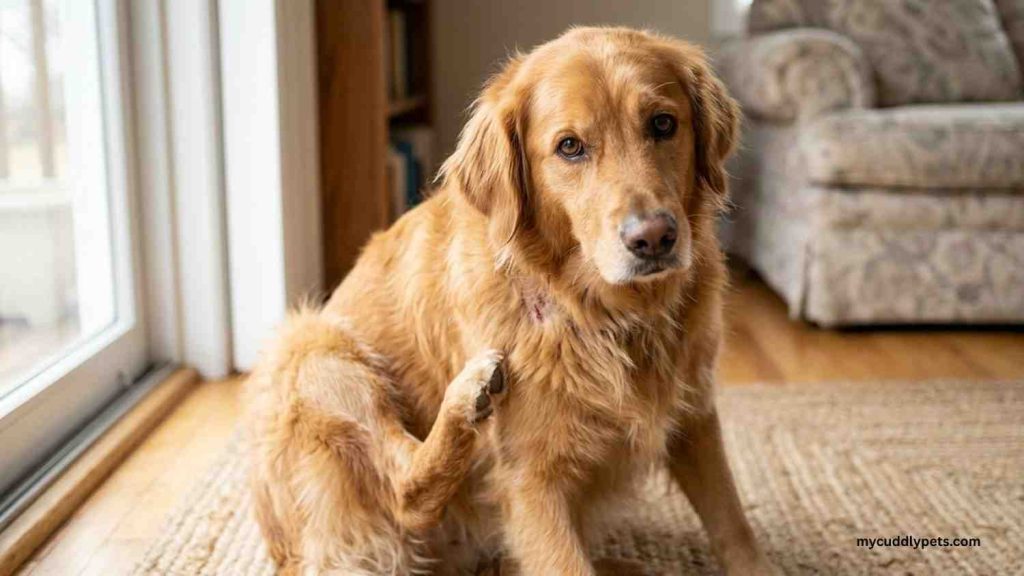
You’re sitting on the couch, watching TV, when you hear it. Thump, thump, thump. Your dog is scratching again. You part the fur, and there they are—tiny, dark specks moving fast. It sinks in: your dog has fleas. I’ve been there, and I know that panic well. But how do dogs get fleas in the first place? In this guide, we’ll uncover the sneaky ways fleas hitch a ride and, more importantly, how to kick them out for good.
Understanding Fleas and Their Lifecycle
To beat the enemy, you have to know how they work. Fleas are not just annoying bugs that bite. They are survival machines.
Most people think the problem starts and ends with the adult flea you see on your dog. But that is just the tip of the iceberg. In fact, adult fleas make up only about 5% of the total infestation. The rest? They are hiding in your home, invisible to the naked eye.
Let’s break down the flea lifecycle stages. This helps explain why they are so hard to get rid of.
The Egg Stage
It starts when a female flea jumps on your dog. She feeds on blood and starts laying eggs within 24 hours. She can lay up to 50 eggs a day! These eggs are not sticky. They are like tiny, slippery pearls. As your dog moves, the flea eggs on fur slide right off.
They land on your carpet. They land on your sofa. They land in your yard. Wherever your dog goes, they leave a trail of potential fleas behind.
The Larva Stage
A few days later, the eggs hatch into larvae. These look like tiny, translucent worms. They don’t like light. They burrow deep into carpet fibers or cracks in the floor.
They feed on “flea dirt,” which is actually dried blood dropped by adult fleas. It’s gross, I know. But this stage is crucial. If you vacuum well, you can remove their food source.
The Pupa Stage
This is the tank stage. The larvae spin a sticky cocoon around themselves. Dirt and debris stick to it, making it perfect camouflage. Inside, they turn into adult fleas.
Here is the kicker: they can stay in this cocoon for months. They wait for a signal. They wait for heat. They wait for vibration. They wait for the carbon dioxide your dog exhales. This is often what causes sudden flea infestations in winter—the heat turns on, or you walk into a room, and they all wake up at once.
The Adult Stage
Once they hatch, they need a meal immediately. They jump on your dog, bite, and the cycle starts all over again.
Understanding this cycle explains why just washing your dog doesn’t work. You are only killing the 5%. The other 95% are waiting in your carpet to attack next week.
Common Sources of Fleas on Dogs
So, where do these pests come from? A lot of people think fleas only happen to dirty homes or dirty dogs. That is a myth. Fleas are equal opportunity pests. They don’t care if you just vacuumed. They only care about finding a warm body.
Here are the most common sources of fleas on dogs.

Outdoor Environments
Your backyard is a prime suspect. Pet flea environments are anywhere outside that is shady, humid, and protected from the hot sun.
Fleas love tall grass. They love piles of leaves. They love the soil under your porch. If you live in a warm area, you likely deal with warm climate fleas all year round. But even in cooler places, fleas survive in the wild.
You might ask, “How do indoor dogs get fleas from grass?“
It’s simple. Your dog goes out for a quick bathroom break. They sniff a patch of grass under a tree. A flea waiting on a blade of grass feels the heat of your dog’s body. It jumps.
Fleas have powerful back legs. They can jump huge distances relative to their size. In a split second, they are on your dog. Your dog comes back inside, and the infestation begins.
Other Animals
Dogs are social creatures. They love to say hello. Unfortunately, this is a major way flea transmission dogs happens.
Other Pets
If you go to the dog park, your dog is mixing with dozens of others. Can dogs get fleas from other pets or cats? Absolutely.
Cats are actually huge contributors to flea problems. Outdoor cats wander through many yards. They pick up fleas and bring them home. If you have a cat that goes outside and a dog that stays inside, the cat can easily be the “Trojan horse” that brings fleas to the dog.
Wildlife
This is one thing people often forget. You might have a fenced yard. You might think your dog is safe from other pets. But do you have squirrels? Raccoons? Possums? Mice?
How fleas jump on dogs from wildlife, like squirrels, is usually indirect. A squirrel with fleas runs across your fence. It scratches itself. Flea eggs fall into your grass.
A raccoon walks across your deck at night. Eggs drop off.
Later, your dog walks through that same spot. By then, the eggs have developed into adults. They jump on your dog. Your dog never even touched the wild animal, but they still got the fleas.
Grooming, Boarding, and Human Environments
It seems unfair, right? You take your dog to the groomer to get clean, and they come back with bugs.
Why do dogs get fleas after grooming or boarding? It’s a numbers game. These places have many dogs coming in and out. Even with strict cleaning protocols, it only takes one dog with fleas to drop eggs in the waiting area.
Kennels are the same. If a dog in the run next to yours has fleas, those fleas can jump. Or, eggs left in the bedding or play area can hatch while your dog is there.
Believe it or not, you can also be the carrier. If you visit a friend whose house has fleas, an adult flea might jump on your pants. You walk into your own house, the flea jumps off, finds your dog, and dinner is served.
Sudden Infestations
Sometimes, it feels like fleas appear out of nowhere. You haven’t been to the park. Your dog hasn’t seen another dog. Yet, there they are.
This usually goes back to the pupa stage I mentioned earlier. You might move into a new house where a dog lived six months ago. The house has been empty. The fleas were sleeping in their cocoons.
The day you move in, the vibrations of your footsteps wake them up. Suddenly, you have a massive flea problem. This is a common cause of those mysterious outbreaks that seem to have no origin.
Signs Your Dog Has Fleas
Fleas are fast. They are good at hiding. By the time you see a flea, you probably already have an infestation. You need to know the subtle signs.
The Itch
This is the big one. Flea bites hurt. They itch. If your dog is scratching more than usual, pay attention. Look for biting at the base of the tail or the inner thighs. These are favorite flea hangouts.
Red Skin and Hair Loss
Some dogs are allergic to flea saliva. This is called Flea Allergy Dermatitis. Just one or two canine flea bites can cause a massive reaction. Their skin gets red, hot, and scabby. They might chew their fur off in patches.
Flea Dirt
This is the smoking gun. If you suspect fleas but can’t see them, look for “flea dirt.” These are little black specks on your dog’s skin.
Here is a trick I use: comb some of the black specks onto a white paper towel. Wet the paper towel with a few drops of water. If the specks turn reddish-brown, that is dried blood. That confirms it is flea dirt, not just garden soil.
Pale Gums
In very small dogs or puppies, a heavy flea infestation can be dangerous. The fleas drink so much blood that the dog becomes anaemic. If your dog’s gums look pale instead of pink, get to a vet immediately.
Tapeworms
This is gross, but true. Fleas carry tapeworm larvae. If your dog bites at a flea and swallows it, they can get tapeworms. If you see small, rice-like segments in your dog’s poop or near their rear end, they likely have fleas, too.
Preventing Fleas on Dogs
Prevention is so much cheaper and easier than treatment. Trust me, I learned this the hard way. Once fleas are in your house, getting them out is a nightmare. Keeping them off your dog is simple.
Use Regular Preventatives
This is your first line of defence. There are so many options now.
- Oral Chews: These are pills you give once a month or once every three months. They are very effective. The flea bites the dog and dies.
- Topical “Spot-On” Treatments: You squeeze this liquid between the shoulder blades. It spreads over the skin oils. It kills fleas on contact.
- Flea Collars: Modern flea collars are much better than the old ones. They release chemicals slowly to repel and kill fleas.
Talk to your vet about which one is right for your dog. Dog flea causes can vary by region, so your local vet knows best.
Maintain Your Yard
Make your yard less welcoming to fleas. Mow the lawn regularly. Short grass allows sunlight to hit the soil. Flea larvae hate the sun; it dries them out and kills them.
Rake up leaves. Don’t give them shady, damp places to hide.
You can also use pet-safe sprays for your yard if you have a heavy wildlife population nearby.
Clean Your Home
Vacuum often. I mean, really often. Vacuuming sucks up eggs, larvae, and pupae. It also creates heat and vibration, which forces pupae to hatch so you can suck them up, too.
Wash your dog’s bedding in hot water. The heat kills all life stages.
Limit Wildlife Contact
You can’t put up a force field, but you can make your yard less fun for squirrels and raccoons. Don’t leave dog food outside. Secure your trash cans. If you stop the wildlife from visiting, you stop them from dropping flea eggs in your grass.
Treating Fleas if Your Dog Already Has Them
So, you found fleas. Don’t panic. It is fixable. But you have to be aggressive. You have to treat the dog and the environment at the same time.
Treat the Dog
First, give your dog a flea bath. You can use a specific flea shampoo, or even just mild dish soap (like Dawn) in a pinch. Soap breaks the surface tension of the water, and the fleas drown.
Use a flea comb. Comb through wet fur. Dunk the fleas you find into a cup of soapy water.
Next, get a fast-acting oral medication like Capstar. This kills all adult fleas on your dog within hours. It gives your dog instant relief.
Then, start a long-term preventative (like the monthly chews mentioned above) immediately. This ensures any new fleas that jump on will die.
Treat the House
This is the hard part. Remember, 95% of the infestation is in your house.
- Vacuum every day. Throw the vacuum bag away outside immediately. If you have a canister, wash it with hot soapy water.
- Wash everything. Blankets, pillows, dog beds, your bedding. Use the hot cycle.
- Use an IGR. This stands for Insect Growth Regulator. It is a spray for your carpets and furniture. It stops eggs and larvae from turning into adults. It breaks the cycle.
Patience is Key
You might still see fleas for a few weeks or even months. This is normal. The pupae that were already in your carpet are hatching. But if your dog is on medication, those new adults will jump on, bite, and die before they can lay eggs. Eventually, the population runs out.
FAQs About Fleas and Dogs
How do indoor dogs get fleas?
Indoor dogs get fleas from hitchhikers. You might carry a flea in on your shoe. A mouse might bring fleas into your walls. Or, your dog might just stick their head out the door for a second and pick one up from the porch.
Can dogs get fleas from other pets or cats?
Yes, absolutely. Cats are very efficient flea carriers. If you have an outdoor cat and an indoor dog, the cat is likely the source. You must treat all pets in the house, not just the one scratching.
Why do dogs get fleas after boarding or grooming?
It is simply exposure. High traffic areas with many dogs increase the risk. Even clean facilities can have a dog walk in with fleas five minutes before you arrive.
Can fleas jump from wildlife like squirrels?
They generally don’t jump directly from a squirrel on a tree to your dog. Instead, the squirrel drops eggs in your yard. The eggs hatch, grow into adults, and those adults jump on your dog when he walks by.
How can I prevent sudden flea infestations in winter?
Don’t stop flea prevention in the winter! Fleas can survive indoors or in protected areas outside. The warmth of your home is a perfect tropical paradise for a flea. Keep giving the meds year-round.
Are some dogs more prone to fleas than others?
Not really. Fleas aren’t picky. However, dogs with compromised immune systems might not fight off the effects as well. And dogs with longer, thicker coats provide better hiding spots, so you might not notice the fleas as quickly.
Beating the Bugs for Good
Finding fleas on your dog feels like a violation. It makes your skin crawl. But knowing how dogs get fleas is the secret weapon to keeping them away.
Whether they came from the dog park, a squirrel in the yard, or a stubborn egg in the carpet, the solution is consistency. Keep up with the preventatives. Keep the house clean. Keep an eye on that scratching.
It takes a little work, but a flea-free home and a happy, comfortable dog are worth every bit of effort. If you are ever unsure or the infestation won’t go away, call your vet. They have the heavy-duty tools to help you win the war.