Slow Cooker Dog Food Recipes: Easy Homemade Meals for Dogs
Slow cooker dog food recipes can make homemade meals convenient, but simple meat, rice, and vegetable recipes should not automatically replace a nutritionally complete commercial diet or a veterinary nutritionist-formulated homemade diet.
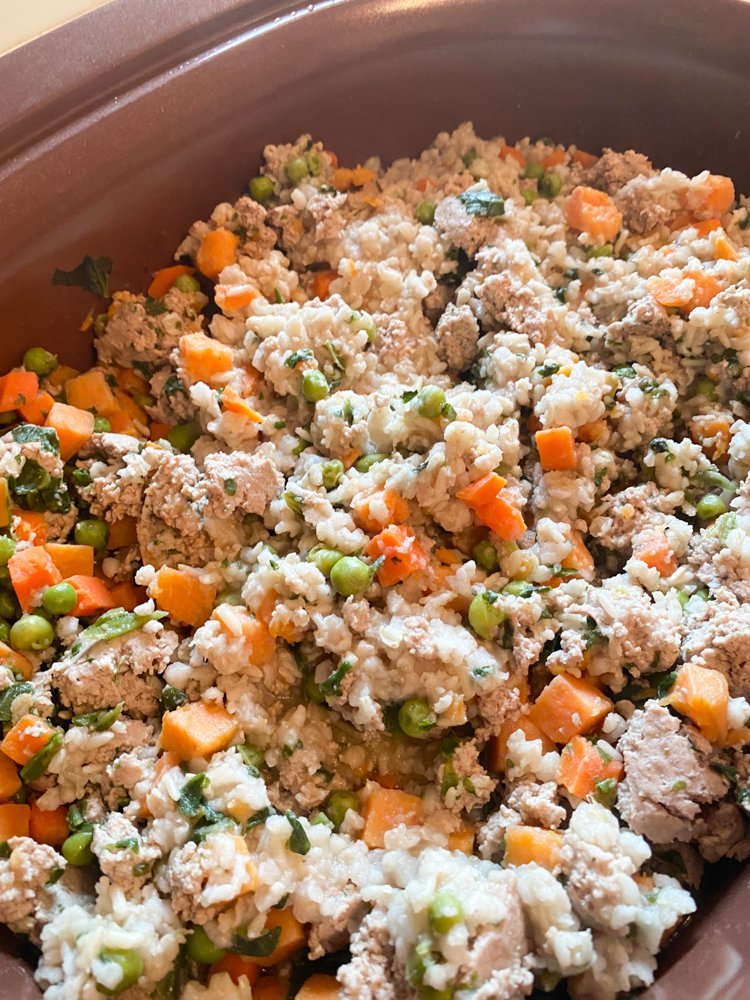
For dog owners in the United States, a slow cooker can be a practical way to prepare batches of cooked food at home. Recipes commonly combine a protein such as turkey, chicken, or lean beef with carbohydrates and dog-safe vegetables. The slow cooking process can soften ingredients and make batch preparation easier, but it does not make an otherwise incomplete recipe nutritionally complete.
The biggest issue with homemade dog food is nutrition rather than convenience. The U.S. Food and Drug Administration explains that a pet food labeled complete and balanced is intended to provide the nutrients needed as a sole diet when it meets an established nutritional profile or passes an appropriate feeding trial. Veterinary nutrition sources also caution that many homemade recipes found online are deficient in one or more essential nutrients. For that reason, the recipes below are best viewed as homemade meal ideas or toppers unless a veterinarian or board-certified veterinary nutritionist has formulated them for your individual dog.
The main advantage of slow cooker dog food is convenience. You can prepare a relatively large batch with a few ingredients, let the cooker do most of the work, and divide the finished food into portions. This can be helpful for owners who want to use cooked food as a topper or who have a professionally formulated home-cooked diet to prepare in batches.
Slow cooking also changes the texture of many ingredients. Tougher vegetables soften, grains absorb liquid, and cooked meat can become easy to shred or break apart. That texture may work well for dogs that prefer moist food, although individual dogs can respond differently to particular ingredients.
Source: familyfreshmeals.com
Batch preparation
A slow cooker allows several meals or topper portions to be prepared in one cooking session.
Moist texture
Water-rich slow cooker meals can produce a soft texture that many dogs find appealing.
Simple ingredient control
Cooking at home lets you choose the protein, carbohydrate, vegetables, and other ingredients rather than relying on a mixed human meal.
Is homemade slow cooker dog food automatically healthier?
No. Homemade food gives you more control over ingredients, but control does not guarantee nutritional adequacy. Veterinary nutrition guidance warns that recipes created without nutrient calculations can lack essential vitamins, minerals, fatty acids, or other nutrients. A homemade recipe can therefore be appropriate as an occasional addition while still being unsuitable as a dog’s complete everyday diet.
If your dog needs a long-term home-prepared diet, the safer approach is to have the recipe evaluated or formulated by a veterinarian with advanced nutrition training. Avoid making major ingredient substitutions in a professionally formulated recipe because changing the protein, grain, oil, or supplement can change the nutritional profile.
3 Slow Cooker Dog Food Recipes to Try
The following recipes are designed as practical homemade meal ideas rather than guaranteed complete-and-balanced diets. They use straightforward ingredients and avoid common toxic foods and heavy seasoning. If you plan to feed any of them as a substantial part of your dog’s daily diet, have the recipe reviewed by your veterinarian or a board-certified veterinary nutritionist first.
Before cooking, check every ingredient label. Broth, canned vegetables, seasoning blends, and prepared sauces can contain ingredients that are inappropriate for dogs, including onion, garlic, excessive salt, or artificial sweeteners.
1. Turkey, Brown Rice, Carrot, and Green Bean Slow Cooker Meal
This simple combination uses ground turkey for protein, brown rice for carbohydrate, and carrots and green beans for additional texture and fiber. It works well as a plain homemade topper when used appropriately alongside a nutritionally complete diet.
For one batch, use about 2 pounds of ground turkey, 1 cup of uncooked brown rice, 2 cups of chopped carrots, 1 cup of chopped green beans, and approximately 5 cups of water. Do not add onion, garlic, salt, gravy, seasoning mixes, or other flavoring ingredients.
Place the ingredients in the slow cooker and stir them together. Cook until the turkey reaches at least 165°F internally and the rice and vegetables are tender. Stir thoroughly after cooking and allow the mixture to cool before portioning.
Because the amount of liquid absorbed by rice varies among slow cookers, add a little water after cooking if the mixture is unusually dry. The finished texture should be moist rather than soupy.
Protein
Ground turkey provides the main animal protein in this recipe.
Carbohydrate
Brown rice supplies cooked carbohydrate and helps create a soft, filling texture.
Vegetables
Carrots and green beans add variety without requiring sauces or seasoning.
Safety check
Ground poultry should reach 165°F when measured with a food thermometer.
2. Lean Beef, Pumpkin, and Vegetable Slow Cooker Meal
Lean ground beef, plain pumpkin, and vegetables make another easy combination for a homemade topper. Choose plain pumpkin rather than pumpkin pie filling, because pie filling can contain added sugar and spices that are unnecessary for dogs.
For a batch, use about 2 pounds of lean ground beef, 1 cup of uncooked barley, 1 1/2 cups of plain pumpkin puree, 1 cup of diced zucchini, and approximately 4 1/2 cups of water. These proportions are a practical cooking formula, not a nutritionally complete diet prescription.
Add the beef, barley, pumpkin, zucchini, and water to the slow cooker. Cook until the beef is fully cooked and the barley is tender. Ground beef should reach at least 160°F internally. Break up the meat thoroughly before serving.
Allow the mixture to cool before dividing it into portions. If the final food contains a visible layer of excess fat, remove some of it before serving, particularly if your dog does poorly with high-fat foods.
Use plain pumpkin
Choose unsweetened plain pumpkin puree without pie spices or added sweeteners.
Choose lean beef
Leaner ground beef can reduce the amount of excess fat compared with very fatty ground meat.
Check the temperature
Ground beef should reach at least 160°F as measured with a food thermometer.
3. Chicken, Oat, Apple, and Vegetable Slow Cooker Meal
Chicken and oats provide a different texture from rice-based recipes. For this version, use about 2 pounds of boneless, skinless chicken, 1 cup of plain old-fashioned oats, 2 cups of chopped carrots, 1 cup of peas, and approximately 4 cups of water.
Prepare the apples separately if you want to include them. Use a small amount of peeled, cored apple flesh and remove every seed and the core before adding it. Apples should be an optional ingredient rather than the nutritional foundation of the recipe.
Place the chicken, oats, carrots, peas, and water in the slow cooker. Cook until the chicken reaches 165°F internally and the oats and vegetables are tender. Shred the chicken thoroughly after cooking and mix everything together.
Avoid flavored oatmeal, sweetened applesauce, cinnamon-heavy mixes, butter, sugar, and prepared sauces. The goal is a plain cooked meal, not a human dessert or seasoned stew.
Use boneless chicken
Boneless meat avoids the risk associated with cooked bones, which can splinter or cause gastrointestinal injury.
Use plain oats
Choose unflavored oats without sugar, artificial sweeteners, or added seasoning.
Prepare apples correctly
Remove the core and seeds before using apple flesh.
How to Make Slow Cooker Dog Food Safely
The safest process starts before the slow cooker is turned on. Use fresh ingredients, keep raw meat separate from other foods, wash preparation surfaces, and check labels on packaged ingredients. A slow cooker is not a substitute for basic food-safety practices.
The USDA recommends using a food thermometer because color and texture alone cannot reliably confirm that meat has reached a safe temperature. For homemade dog food, this is especially useful because recipes can contain different amounts of meat, liquid, grains, and vegetables.
Source: topdogtips.com
1. Prepare ingredients
Wash vegetables, remove unsafe seeds or pits, trim excess fat when appropriate, and cut ingredients into manageable pieces.
2. Keep toxic ingredients out
Do not use onions, garlic, chives, grapes, raisins, chocolate, xylitol, alcohol, or other ingredients known to be hazardous to dogs.
3. Add ingredients to the cooker
Use enough water or another dog-safe liquid for the chosen grain and recipe. Do not use seasoned broth unless every ingredient has been checked.
4. Cook thoroughly
Check the thickest portion of the meat with a food thermometer rather than relying only on the slow cooker’s programmed time.
5. Break up and mix
After cooking, shred chicken or break up ground meat so ingredients are distributed consistently throughout the batch.
6. Cool and portion
Divide the finished food into shallow portions so it cools efficiently before refrigeration or freezing.
Safe cooking temperatures for common dog food proteins
For household food safety, the USDA lists 160°F as the minimum internal temperature for ground beef and other ground meats in its general chart, and 165°F for all poultry. Use these temperatures as the minimum checkpoints for the recipes above.
Do not judge doneness by whether ground meat looks brown. Meat can change color before reaching a temperature that reliably destroys harmful bacteria, so a thermometer is the better tool.
Ground beef
Cook to at least 160°F internally.
Ground turkey
Cook to at least 165°F internally.
Chicken
Cook to at least 165°F internally.
What Ingredients Are Safe for Homemade Dog Food?
A useful homemade dog food ingredient list starts with plain, minimally processed foods. Lean meats, certain cooked grains, and many vegetables can be used in appropriate recipes. The exact combination and quantities should depend on whether the food is an occasional addition or the foundation of the dog’s diet.
Ingredient safety and nutritional adequacy are separate questions. An ingredient can be safe for dogs but still fail to provide the nutrients needed when it becomes a major part of the diet.
Source: caninecarecentral.com
Common protein choices
Plain cooked chicken, turkey, lean beef, and certain fish can be used when appropriate for the individual dog.
Common carbohydrate choices
Plain rice, oats, and some other grains can provide carbohydrate and texture when they fit the dog’s nutritional plan.
Common vegetable choices
Carrots, green beans, peas, zucchini, pumpkin, and certain other vegetables can add variety.
Plain ingredients matter
Avoid sauces, seasoning blends, sweeteners, heavily salted foods, and processed leftovers intended for people.
Foods you should never add to these recipes
Several common human foods can be dangerous to dogs. The ASPCA specifically identifies grapes and raisins, onion, garlic, chives, xylitol, chocolate, alcohol, and other foods as hazards. Some can cause gastrointestinal problems, while others can lead to serious toxicity.
Cooked bones should also stay out of slow cooker dog food. Even though slow cooking can make bones softer, cooked bones can still create choking, obstruction, or gastrointestinal injury risks.
Onions, garlic, and chives
Do not use them fresh, cooked, powdered, or as ingredients in broth or seasoning mixes.
Grapes and raisins
Avoid them completely because ingestion can cause serious kidney injury in dogs.
Xylitol
Check labels for xylitol and avoid products containing this sweetener.
Chocolate
Do not add chocolate, cocoa, or chocolate-containing ingredients.
Bones
Do not put cooked bones into the finished meal or allow your dog to eat them from the cooker.
How to Make Homemade Dog Food Nutritionally Complete
This is the step many simple slow cooker recipes leave unresolved: nutritional completeness. Meat, rice, vegetables, and water can create a wholesome-looking bowl without supplying every nutrient a dog needs in the correct amount.
The FDA explains that a complete and balanced pet food is designed to meet established nutritional requirements. Veterinary nutrition services can also formulate individualized home-prepared diets using precise nutrient calculations. That distinction matters because the nutritional needs of a growing puppy, adult dog, senior dog, pregnant dog, or dog with a medical condition are not necessarily the same.
Do not try to solve the problem by randomly adding a multivitamin, calcium powder, fish oil, or another supplement. The correct supplement and dose depend on the complete recipe. Changing one ingredient can also change the required supplementation.
Source: pupsgourmetkitchen.com
For occasional use
A simple homemade recipe can sometimes be used as a small addition to an otherwise complete diet, provided the ingredients are safe and your veterinarian has no objection.
For regular use
If homemade food will provide a significant portion of daily calories, have the complete recipe evaluated for nutritional adequacy.
For medical diets
Dogs with kidney disease, pancreatitis, diabetes, gastrointestinal disease, food allergies, or other medical conditions should receive individualized dietary guidance from a veterinarian.
For puppies
Growing dogs have specific nutrient requirements, so do not assume an adult homemade recipe is appropriate for a puppy.
Why changing ingredients can matter
Replacing chicken with beef, rice with oats, or one vegetable with another may look like a small change, but it can alter calories, fat, protein, minerals, and other nutrients. This is why veterinary nutritionists formulate recipes using exact ingredients and quantities rather than broad instructions such as use any meat you have available.
If a professionally formulated recipe specifies a particular supplement, ingredient weight, cooking method, or brand of supplement, follow the formulation rather than making casual substitutions.
How Much Slow Cooker Dog Food Should You Feed?
There is no reliable universal cup-per-pound rule for homemade dog food. Calories vary substantially between recipes depending on the meat’s fat content, the amount of grain, the cooking method, and the final water content. Dogs also differ in energy needs based on size, age, activity, body condition, reproductive status, and health.
For that reason, avoid using a generic serving chart as a precise prescription. If the food is only a topper, keep the amount modest enough that it does not displace a nutritionally complete diet. If homemade food is intended to be the main diet, the recipe and daily calorie target should be established for the individual dog.
Source: i.pinimg.com
Start conservatively
When introducing an unfamiliar homemade food, begin with a small amount and monitor stool quality, appetite, and other signs of digestive tolerance.
Watch body condition
Regularly assess whether your dog’s weight and body condition are moving in the intended direction.
Do not copy another dog’s portion
Two dogs of the same breed or weight can have different energy requirements.
Stop experimenting and contact your veterinarian if your dog develops persistent vomiting, significant diarrhea, marked lethargy, refusal to eat, abdominal pain, or another concerning change after a diet change. Dogs with an existing medical condition may need a more specific diet rather than repeated trial-and-error with homemade recipes.
How to Store Homemade Slow Cooker Dog Food
Treat homemade dog food like other cooked perishable food. After cooking, divide the batch into smaller portions and refrigerate or freeze it promptly rather than leaving a large pot at room temperature for an extended period.
For a more conservative storage approach, UC Davis veterinary nutrition guidance states that prepared home-cooked food can be kept in an airtight container in a refrigerator at 32°F to 40°F for two to three days or frozen below 0°F for up to three weeks under its guidance. Storage recommendations can vary with the recipe and ingredients, so follow the storage instructions supplied with a professionally formulated diet when applicable.
If food develops an unusual odor, color, or other signs of spoilage, discard it. When reheating a portion, warm it gently and check the temperature before serving so the food is comfortable for the dog.
Source: familyfreshmeals.com
Refrigerate promptly
Do not leave cooked food sitting at room temperature for long periods.
Use small portions
Portioning makes cooling, thawing, and reheating easier and reduces repeated handling of the whole batch.
Freeze extra portions
Freezing can extend practical storage time when the food is properly packaged and kept at an appropriate freezer temperature.
Add supplements at serving when instructed
Some veterinary-formulated diets require supplements to be added after warming rather than cooked into the batch because heat can damage certain nutrients.
How to thaw homemade dog food
Move a frozen portion to the refrigerator for controlled thawing, then warm the amount needed for the meal. Avoid repeatedly thawing and refreezing the same portion. If you have a veterinary-formulated recipe, follow its specific storage and thawing instructions.
Common Mistakes to Avoid With Crockpot Dog Food
The most common problem with homemade slow cooker dog food is assuming that safe ingredients automatically create a complete diet. Other mistakes involve food safety, toxic ingredients, inappropriate substitutions, and portion sizes.
Source: i.pinimg.com
Mistake 1: Treating an internet recipe as a complete diet
A recipe can contain nutritious ingredients and still be deficient in essential nutrients. Use professionally formulated recipes when homemade food is intended as a long-term primary diet.
Mistake 2: Adding human seasoning
Seasonings and sauces can introduce onion, garlic, excess sodium, or other ingredients that are inappropriate for dogs.
Mistake 3: Guessing whether meat is cooked
Use a food thermometer instead of relying on color or the programmed cooking time alone.
Mistake 4: Adding cooked bones
Never assume slow cooking makes bones safe to eat.
Mistake 5: Making unplanned substitutions
Changing meat, grains, oils, vegetables, or supplements can materially change the nutritional profile of a formulated recipe.
Mistake 6: Switching diets too quickly
A sudden large dietary change can cause digestive upset in some dogs. Introduce new foods gradually unless your veterinarian advises otherwise.
Mistake 7: Ignoring the dog’s medical history
A recipe appropriate for one healthy adult dog may be inappropriate for a dog with a disease, food intolerance, allergy, or special nutritional requirement.
Frequently Asked Questions
Q
Can I feed my dog slow cooker food every day?
You can prepare homemade food regularly, but a general internet recipe should not automatically become your dog’s sole daily diet. Long-term homemade diets should be nutritionally evaluated and, ideally, formulated for the individual dog by a veterinarian with appropriate nutrition expertise.
Q
Can I put raw meat directly into a slow cooker for dog food?
Raw meat can be cooked in a slow cooker, but it must reach a safe internal temperature and should be handled carefully to reduce foodborne illness risks. For the recipes in this guide, verify that ground beef reaches at least 160°F and poultry reaches at least 165°F with a food thermometer.
Q
Can dogs eat rice and vegetables in homemade food?
Many dogs can eat plain cooked rice and several dog-safe vegetables, but individual tolerance varies. Rice and vegetables are ingredients, not proof that the overall recipe meets every nutritional requirement. Avoid vegetables and prepared foods containing onions, garlic, grapes, raisins, or other toxic ingredients.
Q
Can I use chicken broth in slow cooker dog food?
Only use broth after checking the complete ingredient label. Many commercial broths contain onion, garlic, high sodium, or seasoning blends. Plain water is often the simplest option when you are unsure about a packaged broth.
Q
Are slow cooker dog food recipes good for dogs with sensitive stomachs?
Not necessarily. A simple recipe may be tolerated by one dog but cause problems in another. Dogs with chronic gastrointestinal disease, suspected food allergies, pancreatitis, kidney disease, or other medical conditions should receive individualized dietary advice rather than relying on a generic homemade recipe.
✦ Wrapping Up
Conclusion
Slow cooker dog food recipes can make homemade feeding more convenient, especially when you want a simple cooked topper or need to prepare a professionally formulated home diet in batches. Turkey with rice and vegetables, lean beef with pumpkin, and chicken with oats are examples of straightforward combinations that avoid unnecessary seasoning.
The important distinction is between an appealing homemade meal and a nutritionally complete diet. Meat, grains, and vegetables alone do not guarantee that a dog receives every essential nutrient in the right amount. For long-term homemade feeding, work with your veterinarian or a board-certified veterinary nutritionist and follow the resulting recipe precisely.
💡 Key Takeaway
Choose plain dog-safe ingredients, cook meat to a safe internal temperature, keep toxic foods and bones out of the recipe, portion and store the food safely, and use veterinary nutrition guidance whenever homemade food will become a major or long-term part of your dog’s diet.
James Walker is a dog care and nutrition expert with over 10 years of hands-on experience in canine care, nutrition, grooming, and everyday pet wellness. He researches and reviews dog food, treats, supplements, grooming products, and essential pet-care solutions to help dog owners make informed decisions. At MyCuddlyPets.com, James shares practical, honest, and easy-to-follow advice to help dog owners better understand their pets’ needs and provide them with a happy, healthy, and comfortable life.