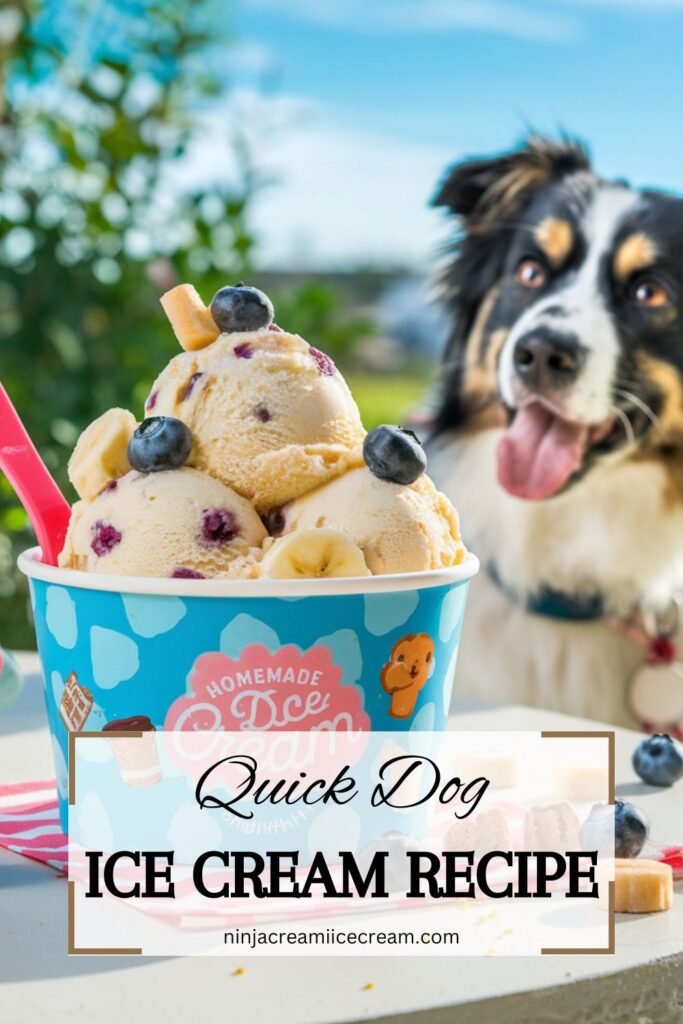
Dog Ice Cream Recipes: 5 Easy Homemade Frozen Treats for Dogs
The best dog ice cream recipes use simple dog-friendly ingredients such as ripe banana, plain unsweetened yogurt, pumpkin, berries, and xylitol-free peanut butter. Freeze the blended mixture in small portions and serve it as an occasional treat rather than a replacement for your dog’s regular balanced diet.
For dog owners across the United States, homemade frozen treats can be an easy way to give a dog something cool on a hot summer day without serving ordinary human ice cream. Human ice cream can contain ingredients that are inappropriate or dangerous for dogs, including excessive sugar, chocolate, and sometimes xylitol.
A safer approach is to make a small batch with ingredients you can identify and check. Plain unsweetened yogurt can work for many dogs, although some dogs do not tolerate dairy well. Banana, pumpkin, blueberries, and strawberries can provide flavor without requiring added sugar. If you use peanut butter, read the ingredient label carefully and choose a product with no xylitol.
These recipes are intended as occasional treats for generally healthy dogs. Dogs with food allergies, pancreatitis, diabetes, obesity, gastrointestinal disease, or a veterinarian-prescribed diet may need different treats. When in doubt, ask your veterinarian before introducing a new recipe.
A good dog ice cream recipe is simple, portion-controlled, and made from ingredients that are appropriate for dogs. You do not need added sugar, artificial sweeteners, heavy toppings, or complicated ingredients to make a frozen treat appealing.
The easiest recipes rely on a creamy base such as plain unsweetened yogurt or mashed banana. Dogs that do not tolerate dairy can use a suitable dairy-free alternative, but every packaged ingredient should be checked for added sweeteners and other ingredients that may be unsuitable for dogs.
The texture can range from soft and scoopable to firm frozen bites. Small silicone molds, ice cube trays, or shallow freezer-safe containers make it easier to control portions.
Source: www.pinterest.com
Keep the recipe simple
A short ingredient list makes it easier to identify potential allergens and avoid unnecessary sugar, salt, and additives.
Choose unsweetened ingredients
Dogs do not need added sugar in a frozen treat, so use plain yogurt and naturally sweet fruits instead.
Check every label
This is particularly important for peanut butter, yogurt alternatives, and other packaged ingredients because formulations vary between brands.
Make small portions
Small frozen bites are easier to serve in moderation and can reduce the chance of accidentally giving a dog too many calories.
Why Xylitol Is a Strict No
Xylitol is a sugar substitute that can be extremely dangerous to dogs. The U.S. Food and Drug Administration warns that xylitol can occur in products such as some sugar-free desserts and certain nut butters. For dogs, ingestion can cause a rapid drop in blood sugar and may lead to serious illness.
Never assume that a peanut butter, yogurt alternative, dessert ingredient, or other sweetened product is safe simply because it is marketed as sugar-free. Read the ingredient label before adding it to a homemade dog treat.
If a dog eats a product containing xylitol, contact a veterinarian, emergency veterinary clinic, or animal poison control service immediately rather than waiting for symptoms.
Avoid xylitol
Look for xylitol as well as alternative names such as birch sugar or wood sugar on ingredient labels.
Skip sugar-free human desserts
Sugar-free does not automatically mean dog-safe, and some products can contain xylitol.
These homemade dog ice cream recipes use a few familiar ingredients and do not require an ice cream maker. Blend the ingredients until smooth, portion the mixture into a freezer-safe container or mold, and freeze until firm.
Because individual dogs can react differently to new foods, introduce one recipe at a time and start with a small amount. If your dog develops vomiting, diarrhea, itching, or another concerning reaction, stop serving the treat and contact your veterinarian if symptoms are significant or persistent.
Source: www.pinterest.com
Recipe 1: Banana Yogurt Dog Ice Cream
Blend one ripe banana with about 1 cup of plain, unsweetened yogurt. Spoon the mixture into small silicone molds or a freezer-safe container. Freeze until firm, then let the portion soften slightly before serving.
Recipe 2: Peanut Butter Banana Dog Ice Cream
Blend one ripe banana with a small amount of xylitol-free, unsalted peanut butter and plain unsweetened yogurt. Freeze in small portions. Use peanut butter sparingly because it is calorie-dense.
Recipe 3: Pumpkin Yogurt Frozen Treat
Combine plain pumpkin puree with plain unsweetened yogurt. Use pure pumpkin rather than pumpkin pie filling, which can contain added sugar, spices, or other ingredients. Freeze in small molds.
Recipe 4: Berry Banana Dog Ice Cream
Blend a ripe banana with a small portion of dog-safe blueberries or strawberries and plain unsweetened yogurt. Remove stems and leaves from strawberries and use fruit in modest quantities.
Recipe 5: Simple Banana Nice Cream
Freeze slices of a ripe banana, then blend the frozen banana until creamy. Serve immediately as a soft frozen treat or freeze it briefly for a firmer texture. This version avoids dairy altogether.
How to Make the Recipes
Start by washing fresh fruit and removing stems, seeds, pits, or other parts that should not be fed to dogs. Measure the ingredients rather than adding them freely, especially calorie-dense ingredients such as peanut butter.
Blend the chosen ingredients until the mixture reaches a smooth consistency. If the blender struggles, add a small amount of water or another dog-appropriate liquid rather than adding sugar or sweetened milk.
Transfer the mixture to small silicone molds, ice cube trays, or a shallow freezer-safe container. Freeze until solid. Before serving, allow very hard treats to soften slightly so your dog can eat them comfortably.
Store homemade treats in a sealed freezer-safe container and label the container with the date. Discard treats if they develop freezer burn, an unusual odor, contamination, or other signs that they are no longer suitable.
For a creamier texture
Use ripe banana or plain yogurt as the main base instead of adding sugar or commercial dessert ingredients.
For smaller dogs
Use mini molds or divide larger frozen portions into smaller pieces before serving.
For dairy-sensitive dogs
Use a dairy-free recipe such as banana-only nice cream, provided the individual ingredients are appropriate for your dog.
How to Choose Ingredients for Homemade Dog Ice Cream
The safest recipes start with ordinary foods that are appropriate for dogs and are served in modest amounts. The goal is a treat, not a nutritionally complete meal.
Plain yogurt may be tolerated by many dogs, but lactose sensitivity varies. Fermented yogurt can contain less lactose than milk, yet that does not mean every dog will tolerate it. If your dog has previously developed digestive problems after dairy, choose a different recipe or ask your veterinarian about an appropriate alternative.
Fruit can add natural sweetness without added sugar. Bananas, blueberries, and strawberries are commonly used in dog-friendly frozen treats. Remove potentially hazardous parts and avoid fruits known to be unsafe for dogs, particularly grapes and raisins.
Source: www.pinterest.com
Plain unsweetened yogurt
Can provide a creamy base for dogs that tolerate dairy. Avoid flavored, sweetened, or sugar-free products unless every ingredient has been verified as appropriate.
Banana
Creates a naturally creamy texture when blended and can be used as the main ingredient in dairy-free frozen treats.
Pumpkin puree
Use plain pumpkin puree rather than pumpkin pie filling with added ingredients.
Blueberries and strawberries
Can be used in small amounts as fruit additions. Prepare them appropriately and avoid products containing added sugar or syrup.
Peanut butter
Use only a product that contains no xylitol and preferably has a simple ingredient list. Peanut butter is calorie-dense, so a little can add plenty of flavor.
Do not add chocolate, grapes, raisins, macadamia nuts, onions, garlic, alcohol, caffeinated ingredients, or xylitol. These are among the foods and ingredients veterinary and food-safety organizations identify as potentially dangerous for dogs.
Also avoid turning a dog ice cream recipe into a human dessert by adding whipped cream, candy, chocolate chips, sugary syrups, or large amounts of sweetened condensed milk. Extra sugar and fat can increase the calorie load without providing a nutritional reason to include them.
Chocolate
Keep cocoa, chocolate chips, chocolate syrup, and chocolate ice cream away from dogs.
Grapes and raisins
Do not use them as fruit toppings or mix-ins.
Xylitol
Avoid it completely, including products that may list birch sugar or wood sugar.
Human ice cream
Do not use ordinary human ice cream as the base simply because a small amount may seem harmless.
How Much Dog Ice Cream Can You Give Your Dog?
There is no single portion that is appropriate for every dog because calorie needs vary with body size, age, activity, body condition, and health status. Homemade ice cream should therefore be treated as an occasional snack rather than a fixed daily serving.
Veterinary nutrition guidance commonly recommends keeping treats to no more than about 10% of a dog’s daily calorie intake, with the remaining calories coming from a complete and balanced diet. A calorie-dense recipe containing peanut butter may use up more of that treat allowance than a small fruit-based frozen bite.
For a new recipe, start with a small serving and observe how your dog responds. A dog that handles one ingredient well may still experience stomach upset when several new ingredients are combined.
Source: deporecipe.co
Start small
Offer a small bite the first time instead of giving a full frozen portion immediately.
Count all treats
Include homemade ice cream alongside biscuits, chews, training treats, table foods, and other snacks when considering the daily treat allowance.
Consider calorie density
Peanut butter and other high-fat ingredients can make a small frozen treat more calorie-dense than a fruit-only recipe.
Adjust for your dog
Dogs with obesity, diabetes, pancreatitis, food allergies, or prescription diets may require stricter limits or different ingredients.
A Simple Portion Example
Suppose a hypothetical healthy dog has a veterinary-estimated daily requirement of 600 calories. Using a 10% treat allowance would give that dog a maximum of about 60 calories from all treats combined for the day. If the dog has already received 35 calories from training treats, only about 25 calories remain within that general allowance.
This example is only a calculation, not a personalized feeding recommendation. Your dog’s actual calorie requirement can differ substantially, so ask your veterinary care team for an appropriate calorie target when portion control matters.
The allowance applies to all treats and snacks, not just homemade dog ice cream.
Common Mistakes When Making Dog Ice Cream
Most problems with homemade dog ice cream come from using the wrong human dessert ingredients, serving too much, or introducing several unfamiliar foods at once. A simple recipe is usually easier to control than a heavily customized dessert.
Another common mistake is assuming that an ingredient is safe because it is marketed as natural, sugar-free, organic, or suitable for people. Dog safety depends on the specific ingredient and amount, so check labels instead of relying on marketing language.
Source: www.pinterest.com
Using regular ice cream
Human ice cream can contain excessive sugar and fat, chocolate, or other ingredients that are not appropriate for dogs.
Choosing sugar-free peanut butter without checking
Some nut butters can contain xylitol, which is dangerous to dogs.
Adding too many ingredients
A long ingredient list makes it harder to identify what caused a reaction if your dog develops digestive or allergic symptoms.
Serving a large frozen block
Large portions can contribute unnecessary calories and may be difficult for a dog to manage comfortably.
Ignoring existing medical conditions
Dogs with certain health conditions may need low-fat, low-calorie, hypoallergenic, or prescription-compatible treats.
What If Your Dog Gets an Upset Stomach?
If your dog develops mild digestive upset after trying a new frozen treat, stop the new treat and monitor your dog. Do not continue feeding the suspected recipe simply to see whether the problem happens again.
Repeated vomiting, significant diarrhea, weakness, collapse, difficulty walking, seizures, breathing problems, or other serious symptoms warrant prompt veterinary attention. Suspected xylitol ingestion is an emergency and should be addressed immediately.
Stop the new treat
Do not keep feeding a food that appears to be causing a reaction.
Review the ingredient list
Check every ingredient, including packaged yogurt, peanut butter, milk alternatives, and toppings.
Call your veterinarian when needed
Seek professional advice for severe, persistent, or unusual symptoms or whenever a toxic ingredient may have been consumed.
Freeze homemade dog ice cream in small, covered portions so you can serve only what your dog needs. Silicone molds and small freezer containers are convenient because they make portion sizes easier to control.
Keep the treats separated from foods that could contaminate them and avoid leaving a frozen treat out for long periods, particularly in warm weather. If a portion has been sitting out and becomes dirty or contaminated, discard it rather than refreezing it for later.
For the best quality, make relatively small batches rather than storing a large amount for an extended period. Homemade recipes do not contain the same formulation and preservation systems as commercial frozen products, so storage quality can vary.
Source: www.pinterest.com
Use airtight storage
Covered freezer-safe containers can help reduce freezer burn and keep odors from transferring between foods.
Label the container
Write the preparation date on the container so you can keep track of the batch.
Serve appropriate portions
Freeze individual servings when possible so you do not need to repeatedly thaw and refreeze a larger batch.
Inspect before serving
Discard anything that appears contaminated, smells unusual, or has otherwise deteriorated.
Can You Make Dog Ice Cream Without a Blender?
Yes. A blender or food processor makes smooth recipes easier, but it is not essential. Mash a ripe banana with a fork, stir it with plain yogurt, and freeze the mixture in small portions. Pumpkin puree can also be mixed by hand with an appropriate base.
For a very simple dairy-free option, slice a ripe banana, freeze the slices, and serve a small portion once frozen. The result will not have the same smooth texture as blended nice cream, but it requires almost no equipment.
Fork method
Mash ripe banana thoroughly and mix it with a small amount of plain yogurt or another suitable base.
Small containers
Use ice cube trays or mini silicone molds to create manageable portions without specialized equipment.
Frequently Asked Questions
Q
Can dogs eat homemade ice cream?
Dogs can have homemade frozen treats made from appropriate ingredients, but ordinary human ice cream is not a good default choice. Homemade recipes let you control the ingredients, but they still need to be served as occasional treats and in suitable portions.
Q
What is the easiest dog ice cream recipe?
A simple banana nice cream is one of the easiest options. Freeze slices of a ripe banana, blend them until creamy, and serve a small portion. You can also mix mashed banana with plain unsweetened yogurt if your dog tolerates dairy.
Q
Can I use peanut butter in dog ice cream?
Yes, peanut butter can be used in a dog-friendly frozen treat if the product is appropriate for dogs and contains no xylitol. Check the ingredient label every time because formulations can change. Peanut butter is also calorie-dense, so use a modest amount.
Q
Can dogs have yogurt in ice cream?
Some dogs tolerate plain yogurt, while others may develop digestive upset from dairy. If you use yogurt, choose plain and unsweetened yogurt and check the label for xylitol or other unsuitable ingredients. Dogs that do not tolerate dairy can use a suitable dairy-free recipe instead.
Q
How often can I give my dog homemade ice cream?
Homemade dog ice cream is best treated as an occasional snack rather than a daily dietary staple. Keep total treats and snacks within the general veterinary nutrition guideline of no more than about 10% of daily calories, while accounting for all other treats your dog receives.
✦ Wrapping Up
Conclusion
The best dog ice cream recipes do not need complicated ingredients. A base of ripe banana, plain unsweetened yogurt, pumpkin, berries, or a small amount of xylitol-free peanut butter can create a refreshing frozen treat for many healthy dogs.
The most important step is checking every ingredient before freezing the recipe. Avoid xylitol, chocolate, grapes, raisins, and other unsafe foods, and remember that dairy and richer ingredients can cause problems for some dogs. Portion size also matters because frozen treats still contribute calories.
If your dog has a medical condition, food allergy, history of pancreatitis, weight-management needs, or a prescription diet, get individualized guidance from your veterinarian before adding homemade treats.
💡 Key Takeaway
For a simple starting recipe, blend one ripe banana with a modest amount of plain unsweetened yogurt if your dog tolerates dairy, freeze the mixture in small portions, and offer a small serving while keeping all treats within your dog’s daily calorie allowance.
James Walker is a dog care and nutrition expert with over 10 years of hands-on experience in canine care, nutrition, grooming, and everyday pet wellness. He researches and reviews dog food, treats, supplements, grooming products, and essential pet-care solutions to help dog owners make informed decisions. At MyCuddlyPets.com, James shares practical, honest, and easy-to-follow advice to help dog owners better understand their pets’ needs and provide them with a happy, healthy, and comfortable life.